
ART
Discovering the Symbolism Behind Rita Kirkman Art Fish

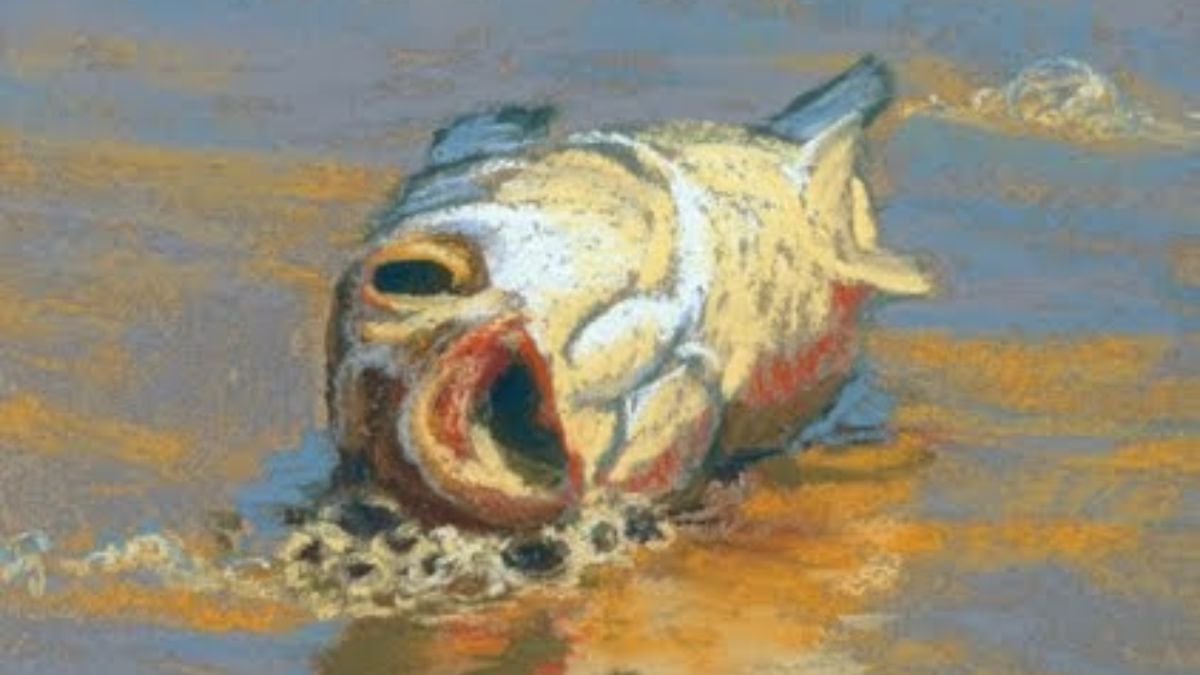
Rita Kirkman is an artist whose work captivates the imagination and stirs the soul. Among her diverse portfolio, her fish-themed art stands out, inviting viewers to dive into a world rich with symbolism and meaning. Each piece tells a story that transcends mere aesthetics, offering glimpses into deeper themes that resonate across cultures and personal experiences. As we explore the significance of fish in various traditions and how they relate to Kirkman’s life journey, we uncover layers of interpretation that enrich our understanding of her art. Join us on this exploration as we discover what lies beneath the surface of Rita Kirkman Art Fish.
The significance of fish in different cultures and religions
Fish hold a prominent place in various cultures and religions worldwide. In many traditions, they symbolize fertility, abundance, and transformation. For instance, in ancient Egypt, fish were associated with the river god Hapi and represented life-giving properties.
In Christianity, fish symbolized faith and was used as a secret sign among early Christians to identify one another. The popular ichthys symbol captures this essence beautifully.
Similarly, in Japanese culture, koi fish represent perseverance and strength due to their ability to swim upstream against currents. They embody resilience that resonates deeply within the community.
Indigenous tribes often regard fish as sacred creatures connected to nature’s rhythms. Their presence signifies sustenance but also spiritual connections between humans and water ecosystems.
Across these diverse perspectives, it’s clear that fish carry rich meanings that transcend mere culinary or aesthetic significance.
Symbolism of fish in Rita Kirkman’s art
Rita Kirkman’s art provides a fascinating exploration of fish symbolism. In her works, fish resonate with themes of transformation and adaptability. They swim through vibrant colors, reflecting the fluidity of life itself.
Each brushstroke captures the essence of movement—an invitation to reflect on personal journeys. The imagery often evokes feelings of freedom and escape, suggesting a deeper connection to nature’s rhythms.
Kirkman’s choice of species adds layers to their meaning. For instance, koi fish symbolize perseverance and strength in many cultures, while goldfish can represent luck and prosperity.
Through her artistic lens, these meanings intertwine seamlessly with emotional narratives that speak to viewers’ experiences. Her use of fish transcends mere representation; it becomes a dialogue between art and observer. Each piece prompts contemplation about our own paths amid life’s currents.
How the use of fish in her art connects to her personal life
Rita Kirkman’s art is deeply intertwined with her personal experiences. Growing up near the ocean, she often found solace in its vastness. The fluidity of water and life beneath its surface shaped her perspective.
Fish represent more than mere subjects; they echo memories of family outings and tranquil moments spent by the shore. Each brushstroke carries a piece of her history—a blend of joy, contemplation, and connection to nature.
Kirkman’s journey through various challenges also finds expression in these lively creatures. They symbolize resilience and adaptability, reflecting her own growth over time. As she paints, she’s not just capturing fish but revisiting chapters of her life.
This relationship between artist and subject creates a profound narrative that resonates with viewers on multiple levels, inviting them to explore their own connections to nature while appreciating the depth behind each artwork.
Interpretation of specific fish paintings by Rita Kirkman
Rita Kirkman’s fish paintings are rich with meaning and emotion. Each piece tells a story that transcends mere representation. For example, her vibrant depiction of koi fish captures the essence of transformation and perseverance.
Another notable work features a school of small fish darting through coral reefs. This painting evokes feelings of community and the beauty of collective movement in nature. The colors chosen reflect tranquility while simultaneously hinting at underlying chaos—a dance between harmony and survival.
In contrast, her portrayal of a lone, majestic marlin speaks to themes of solitude and strength. It draws viewers into its world, encouraging reflection on individual journeys amidst the vastness of life.
Every brushstroke is deliberate; every hue contributes to the narrative she wishes to convey. Through these interpretations, Kirkman’s art invites dialogue about personal experiences and shared connections within our aquatic ecosystems.
Influence of nature and environmental issues on her fish paintings
Rita Kirkman’s fish paintings reflect a profound connection to nature. Each brushstroke captures the vibrancy of aquatic life, inviting viewers into an underwater world full of color and movement.
Environmental issues are at the forefront of her work. Rising pollution levels and climate change impact our oceans, which deeply resonate in her art. She often incorporates elements that evoke both beauty and fragility.
The delicate balance between vibrant marine ecosystems and human activity is palpable in her pieces. Rita uses vivid colors alongside darker tones to symbolize this contrast, creating a visual dialogue about conservation.
Her passion for environmental advocacy comes through not just thematically but also in technique. By choosing sustainable materials whenever possible, she aligns her artistic expression with eco-conscious values, further enhancing the message behind each painting’s aesthetic appeal.
Conclusion: The deeper meaning behind Rita Kirkman’s use of fish in her art
Rita Kirkman’s use of fish in her art transcends mere representation. It serves as a profound exploration of life, spirituality, and environmental consciousness. Each brushstroke captures the essence of existence—reflecting themes of transformation, rebirth, and interconnectedness.
The symbolism behind fish resonates deeply within various cultures and religions. This connection adds layers to her work, inviting viewers to engage on multiple levels. For Kirkman, these aquatic beings are not only subjects but also vessels for personal stories and experiences that shape her journey as an artist.
Her paintings invite contemplation about nature’s fragility amid modern challenges. They echo the delicate balance we must maintain with our environment while celebrating its beauty through vibrant colors and dynamic forms.
By weaving her own narratives into these illustrations of fish, she creates a space where art becomes a medium for dialogue about life’s complexities. Her works remind us that every creature plays a role in the tapestry of life—a message that resonates universally.
Through this lens of understanding, Rita Kirkman’s art emerges as more than just visual delight; it transforms into an invitation to reflect on our relationship with nature and each other. The deeper meaning behind her portrayal of fish extends beyond aesthetics—it’s about recognizing our shared responsibility for this planet we inhabit together.
Introduction to Shihuanuo
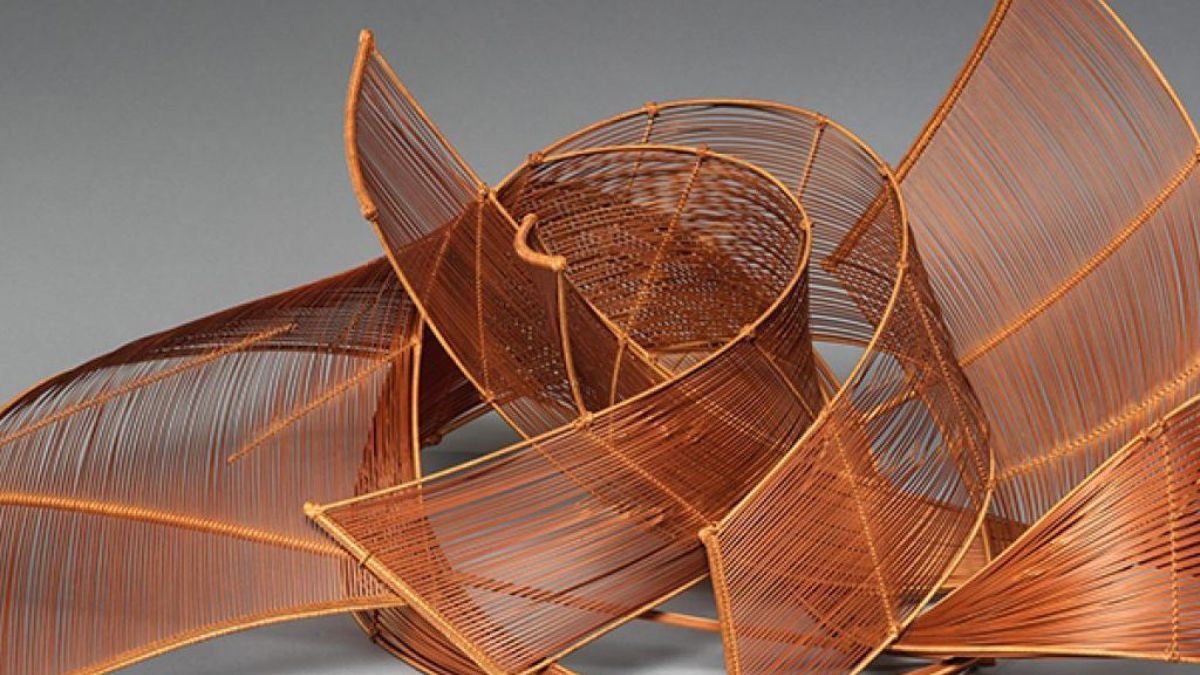
Shihuanuo is more than just a traditional craft; it’s an intricate dance of artistry and precision that has captivated artisans and admirers alike for centuries. Imagine the delicate balance of color, texture, and creativity coming together to tell stories through every piece created. As you dive into this fascinating world, you’ll discover not only the beauty of shihuanuo but also the rich history that shapes its existence today. From ancient origins to modern innovations, this art form continues to evolve while honoring its cultural roots. Join us as we unravel the craftsmanship and techniques behind shihuanuo, revealing what makes it truly extraordinary.
History and Origins of the Art
Shihuanuo has a rich and intricate history that traces back centuries. This traditional craft hails from the heart of China, where artisans began experimenting with various materials to create stunning decorative objects.
Originally, shihuanuo was primarily used for ceremonial purposes. The craftsmanship showcased not just skill but also deep cultural significance. Each piece carried stories, often reflecting local mythology or historical events.
As trade routes expanded, so did the popularity of shihuanuo. Craftsmen began incorporating influences from different regions, enriching their techniques and designs. Over time, these unique creations gained recognition beyond China’s borders.
With each generation, artisans passed down their skills through apprenticeships. Today’s craftsmen honor this legacy while exploring innovative ways to express their heritage in modern contexts. The essence of shihuanuo remains a testament to its enduring appeal and cultural resonance throughout history.
The Process of Making Shihuanuo
The process of making shihuanuo is both intricate and mesmerizing. Craftsmanship lies at its heart, demanding precision from the very beginning. Artisans begin by selecting high-quality materials, often natural fibers and vibrant dyes.
Once materials are gathered, the creation comes to life through a series of meticulous steps. The fibers are carefully twisted and woven together to form delicate shapes. Each movement requires skill honed over years of practice.
Dyeing plays a crucial role in this art form. Master craftsmen use traditional methods to achieve rich colors that enhance the final product’s beauty.
Every piece tells a story through its patterns and textures, reflecting cultural significance and personal expression.
Attention to detail remains paramount throughout the entire process, ensuring each item is unique and valuable. With time and dedication, what starts as simple threads becomes a testament to artistry in shihuanuo.
Tools and Techniques Used
The creation of shihuanuo involves a fascinating array of tools and techniques. Craftsmen start with finely shaped molds, often made from clay or metal. These molds allow for precise details and intricate designs.
Once the mold is ready, artisans use traditional hand tools to refine the surface. Chisels, knives, and brushes come into play here. Each tool serves a specific purpose in achieving texture and depth.
A unique aspect of shihuanuo’s technique is layering colors. Artisans apply multiple coats of paint to achieve vivid hues that enhance each piece’s visual appeal. This process requires patience and an eye for detail.
Firing techniques also hold significance in this craft. Kilns are carefully monitored to create optimal conditions for each item’s final finish. The result? A stunning blend of artistry that celebrates both tradition and skill.
Famous Master Craftsmen and their Work
Within the realm of shihuanuo, master craftsmen shine as beacons of tradition and innovation. Their dedication transforms raw materials into breathtaking works of art.
One such luminary is Zhang Wei, renowned for his intricate designs that reflect nature’s beauty. His pieces capture the essence of flora and fauna, revealing tales through delicate carvings.
Then there’s Li Chen, whose bold use of color sets him apart. His vibrant interpretations breathe life into conventional themes, making each piece uniquely captivating.
The artistry doesn’t stop there; artisans have woven personal stories into their creations for generations. Each work embodies skill passed down from teacher to pupil, ensuring that the legacy thrives.
These masters not only elevate the craft but also inspire a new wave of artists eager to explore and expand upon traditional techniques. The evolution continues as they blend history with contemporary flair in every creation.
Modern Adaptations and Innovations
Modern adaptations of shihuanuo are reshaping its traditional roots. Craftsmen today are blending age-old techniques with contemporary aesthetics. This fusion has led to eye-catching designs that appeal to younger audiences.
The use of sustainable materials is another exciting trend. Artisans now incorporate eco-friendly resources, ensuring their work aligns with global sustainability efforts. This not only enhances the beauty but also deepens the meaning behind each piece.
Technology plays a crucial role as well. Digital tools help artisans visualize complex designs before crafting them by hand. Some even utilize 3D printing for initial prototypes, which streamlines their creative process.
Social media platforms have revolutionized marketing strategies for shihuanuo artists too. They can showcase their work globally, connecting with art enthusiasts and potential buyers like never before. This new era of engagement invites fresh perspectives and interpretations into this timeless craft.
Significance and Cultural Impact of Shihuanuo
Shihuanuo holds a special place in the tapestry of cultural heritage. This intricate art form transcends mere craftsmanship; it tells stories of tradition and community.
Through its vibrant colors and delicate designs, shihuanuo expresses the values and beliefs of generations. Each piece reflects not just skill but also a deep connection to history.
The craft has become a symbol of identity for many artisans, fostering pride in their lineage. As communities rally around preserving these techniques, they strengthen bonds among members while passing down knowledge to younger generations.
In contemporary society, shihuanuo serves as an inspiration for artists who blend age-old methods with modern aesthetics. This fusion creates unique pieces that resonate globally yet remain rooted in local culture.
Thus, shihuanuo is more than an art; it’s a bridge between past and present, nurturing resilience within communities while enchanting admirers worldwide.
Conclusion
The artistry of shihuanuo captures a rich tapestry of tradition, craftsmanship, and cultural significance. From its historical roots to the intricate techniques employed by master artisans, this unique art form continues to thrive in both traditional and modern contexts. The ongoing innovation within the craft highlights its adaptability and relevance in today’s society.
As we explore shihuanuo’s profound impact on culture and community, it becomes clear that this craft is not merely about creating beautiful pieces; it’s about preserving legacies and fostering connections among generations. Embracing shihuanuo means appreciating the dedication of skilled craftsmen who pour their heart into every creation.
With each piece telling a story, shihuanuo stands as a testament to human creativity and resilience. It invites us all to celebrate not only an art form but also the shared experiences that shape our world. Whether you are an artist or simply an admirer of beauty, there’s something deeply enriching about engaging with this timeless craft.

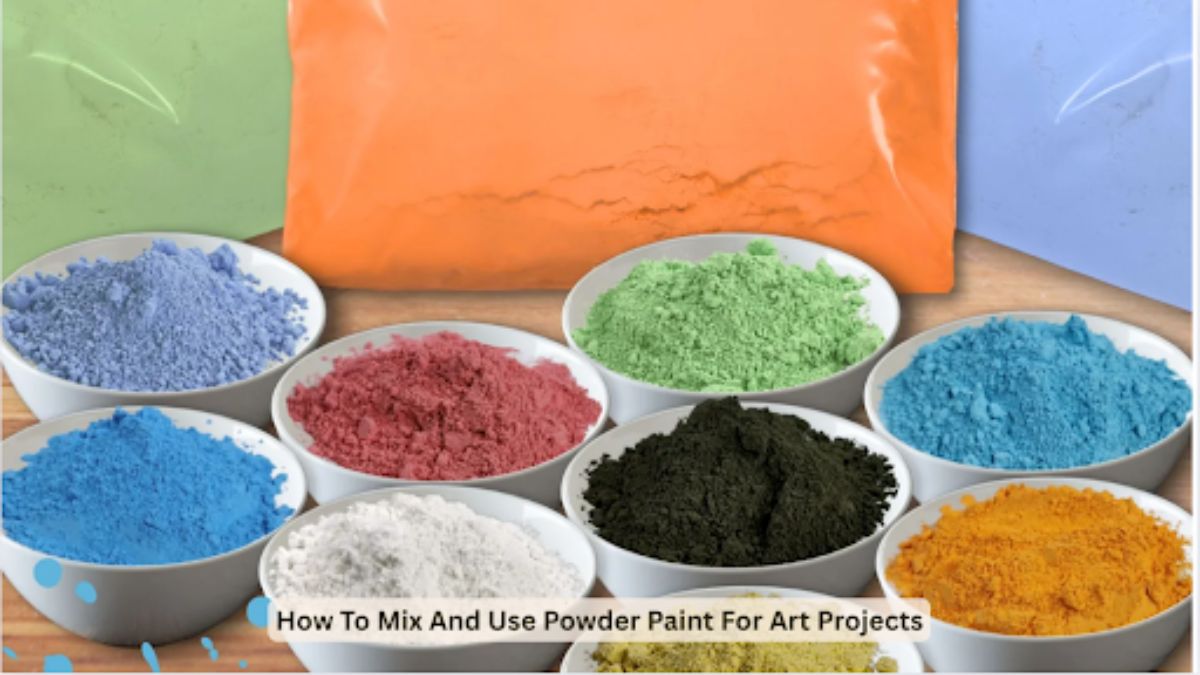
Art is among the finest media for expressing ideas, emotion, and fantasy. Paint may be bold and energetic or soft and calming. Among the most flexible and enjoyable paints to work with are powder paints. Powder paint comes dry, which you thin out with water to work with. It is airy, easy to store, and wonderful to blend up bold or muted colors depending on your mixing ratio.
Powder paint is also very common in schools, art clubs, and home craft sessions because it is easy to prepare, safe for children when used with non-toxic types, and easy to clean up afterwards. You can thin it to as thick as you want it to be, blend the colors to create new colors, and apply it on different surfaces.
This guide will take you through every step in mixing and applying powder paint with confidence for your art.
1. Choose The Powder Paint You Will Use
The first thing to do with powder paint is to choose the correct grade for your project. Not all powder paints are created equal. There are paints designed for children and schools, and there are paints designed for more commercial-grade artwork. There are vivid, high-energy colors for heavy art and delicate colors for gentle scenes. Choose a non-toxic grade if you want something safe and easy to clean up, especially for kids or group projects.
Non-toxic powder paint is safe for all ages and available in single packs of one colour or mixed-color sets. Large bags, like 2.5kg packets, are ideal if you are dealing with lots of one color for school or community celebrations. Small sets like a pack of six 500g bags of assorted colors are ideal for domestic use or small group art classes.
Think about your project topic when selecting colors. You might like green, yellow, and blue if you’re painting a garden scene. Red, orange, and purple would be ideal for painting a sunset.
2. Prepare Water And Tools For Mixing
Before you begin, have everything in front of you so that mixing is easy and convenient. You will need a clean vessel for each color you mix. This can be a small bowl, a paint pot, or a plastic cup. Ensure they are easy to handle and wide enough to stir. You will also need a spoon, stick, or paint spatula to stir paint and clean water for mixing.
Preparing the area where you will be working first is a good idea. Cover the table with a newspaper or a splash mat to contain spills in case you are indoors. If you are outdoors, locate a stable, flat area to work in. Small containers will be easier to handle if children work with them and are less likely to cause huge spills.
You may want to dress in an old T-shirt or even an apron. Most powder paints can be washed out of clothing, but it is wise to avoid staining clothes you love. Having a damp cloth or some paper towels nearby is wonderful for cleaning drips before they dry.
3. Mix Powder Paint Until Smooth
You can easily mix powder paint, but most effectively if you do it gradually. Start with a little water in your container, just enough to cover the bottom. Initial mixing in water avoids the powder clumping and adhering. Second, pour a little spoonful of powder paint into the water.
Gradually stir the combination, blending the water and powder completely. If the mixture is too thick, add a little water. In case it’s too watery, add more powder. Proceed to adjust until you get the right consistency. A smooth combination should be free of lumps and spread evenly when applied using a brush.
Do that in another container if you want to create new colors. Mixing colors is fun and a great way to learn color theory.
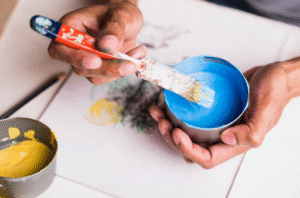
4. Apply The Paint To Your Chosen Surface
One of the greatest things about powder paint is how many surfaces you can paint on. Paper and card can be the most popular. If you use paper, ensure it’s sufficiently heavy to manage wet paint without creasing or tearing—watercolor paper works best. The card is stronger and holds paint well, which is great for posters or large displays.
Powder paint also works on wood. If you paint on wood, ensure the surface is dry and clean before you begin. The paint will soak the natural grain, creating a unique textured finish. It might take several coats for a bright, solid color.
You may also paint on fabric, especially natural fibers like cotton or linen. Powder paint is not permanent on fabric unless you use a fixative on it afterwards. The color will bleed off without fixing, so consider this when working with fabric projects.
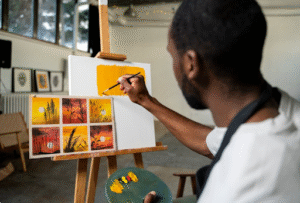
5. Clean And Store Your Painting Materials
Once your painting is finished, it’s time to clean up. Since powder paint is water-based, cleaning is a quick and easy process. Clean your brushes in warm water immediately to prevent the paint from drying on the bristles. You may need a little mild soap added to them.
If the paint has spilled onto clothing, wash it at once. Powder paint is generally easy to remove, but removing any marks immediately will give the best result. On surfaces and tables, a damp cloth will clean away residue. If you use a splash mat, shake it outdoors or wash it off.
Final Thoughts
Powder paint is one of the most versatile and simplest of art materials. It’s simple to create, safe for all when you choose a non-toxic variety, and can be applied to many surfaces. By changing the mix, it’s possible to create vibrant, expressive paintings or soft, subtle washes.
The procedure is simple: select your colors, prepare your tools, blend the powder with water to a smooth consistency, and apply it to your surface of choice. Then, cleanup is easy, and properly storing your supplies will have them ready for your next project.

Introduction to Pabington and its history
Welcome to Pabington, a hidden gem pulsing with creativity and artistic spirit. Nestled in the heart of stunning landscapes, this charming town has transformed from its humble beginnings into a vibrant hub for artists and art lovers alike. Rich history intertwines with newfound inspiration, making it an exciting place where imagination flourishes. As you stroll through its streets adorned with murals and galleries, it’s easy to see why Pabington is quickly becoming synonymous with art and culture. Join us as we explore the evolution of this remarkable community and discover what makes it so special!
The Rise of the Art Scene in Pabington
In recent years, Pabington has transformed into a vibrant hub for artistic expression. This shift can be traced back to the community’s passion for creativity and collaboration. Artists began to find inspiration in the town’s picturesque landscapes and rich cultural history.
Local galleries started showcasing emerging talent, providing a platform for diverse voices. These spaces quickly became gathering points where art enthusiasts could connect and share ideas.
Public murals and installations have popped up throughout the streets, turning everyday walks into an immersive experience. The local government has embraced this movement by promoting art festivals that attract visitors from near and far.
With each new event or exhibition, Pabington solidifies its reputation as a creative sanctuary. The energy here is palpable; it encourages innovation while honoring traditional forms of artistry. This blend of old and new makes the art scene truly unique within the region.
Local Artists and Their Impact on the Community
Local artists in Pabington are not just creators; they are the heartbeat of the community. Their work inspires and ignites conversations, sparking creativity among residents of all ages.
Through murals, galleries, and public installations, these artists transform everyday spaces into vibrant reflections of local culture. Each brushstroke tells a story that resonates with those who experience it.
Moreover, local artists often collaborate with schools and nonprofits. They conduct workshops that nurture young talents and encourage self-expression. This fosters a sense of belonging while cultivating future generations of creatives.
Art fairs and exhibitions draw crowds from near and far. These events strengthen connections within the community, creating networks for support and collaboration.
The ripple effect is undeniable: as local art flourishes, so does pride in Pabington itself—a place where creativity knows no bounds.
Creative Spaces and Events in Pabington
Pabington is bursting with creative energy, thanks to its array of inspiring spaces. Art studios, galleries, and pop-up shops line the streets, inviting local talent to showcase their work. Each corner feels like a canvas waiting for an artist’s touch.
Community events play a vital role in fostering this artistic spirit. Monthly art walks attract crowds eager to explore new exhibitions and meet creators face-to-face. Workshops and classes are hosted regularly, offering hands-on experiences from painting to pottery.
The annual Pabington Arts Festival transforms the town into a vibrant celebration of creativity. Artists display their masterpieces while musicians fill the air with live performances. It’s an event that unites people from all walks of life.
Spaces like co-working hubs also encourage collaboration among artists and entrepreneurs alike. Here, innovative ideas thrive as individuals share skills and inspire one another on projects big or small.
How Pabington Nurtures and Supports Creativity
Pabington thrives on its commitment to nurturing creativity. The town fosters an environment where artists can flourish, thanks to local government support and dedicated community initiatives.
Art programs in schools encourage young talent. Workshops and mentorship opportunities connect aspiring artists with seasoned professionals. This creates a vibrant exchange of ideas that enriches the entire community.
Local galleries host regular exhibitions, showcasing emerging talents alongside established artists. These events stimulate dialogue among creators and art lovers alike, fostering collaboration and inspiration.
Creative spaces are abundant in Pabington, from co-working studios to intimate performance venues. Such places allow for experimentation without fear of judgment.
Residents also take pride in their public art installations. Murals adorn buildings, creating a colorful tapestry that reflects the spirit of Pabington’s artistic heartbeat.
The Economic Benefits of a Thriving Art Community
A vibrant art community can significantly boost Pabington’s economy. When artists thrive, they attract visitors and patrons eager to explore local creativity. This influx of people creates a ripple effect on surrounding businesses.
Cafes, shops, and galleries benefit from increased foot traffic. Artists often collaborate with these establishments for exhibitions or events, further intertwining the local economy.
Moreover, public art projects enhance property values in neighborhoods. Residents take pride in their surroundings, fostering community engagement and encouraging new investments.
Art workshops and classes also create jobs while nurturing talent within Pabington. These opportunities not only empower individuals but also cultivate a rich cultural landscape that appeals to tourists.
As the arts flourish locally, funding avenues such as grants become more accessible. This financial support encourages experimentation among creatives while solidifying Pabington’s position as an artistic focal point in the region.
Pabington’s Future as an Artistic Hub
Pabington’s future as an artistic hub looks bright. The community is embracing innovation and collaboration among its artists. New initiatives are emerging that encourage experimentation in various art forms.
With the rise of digital platforms, local creatives can share their work with a global audience. This exposure fuels inspiration and attracts more talent to the area.
Moreover, educational programs are being developed to nurture young artists. Workshops and mentorship opportunities empower the next generation to explore their creativity.
Investment in public art projects continues to transform local spaces into vibrant galleries. These installations not only beautify Pabington but also spark conversation and engagement among residents.
As more people recognize Pabington’s unique charm, tourism related to arts will likely increase. The synergy between culture, community, and commerce positions Pabington for sustained growth as a center for artistic expression.
Conclusion
Pabington has transformed remarkably over the years. What was once a quiet town has blossomed into a vibrant hub for art and creativity. The dedication of local artists, combined with supportive community initiatives, creates an environment where imagination thrives.
As we look to the future, Pabington stands poised to be at the forefront of artistic innovation. The blend of talent and support systems ensures that this small town will continue to inspire both creators and admirers alike. With ongoing events and new creative spaces emerging regularly, Pabington is set on a path toward becoming an even richer cultural landmark.
The synergy between art and community in Pabington fosters not only individual expression but also collective growth. Embracing its identity as an artistic haven, Pabington is destined to leave a lasting impact on all who experience its creative spirit.
-

 TECHNOLOGY1 year ago
Top 10 Must-Read Stories from Kristen Archives You Can’t Miss
-

 TECHNOLOGY2 years ago
Sky Bri Net Worth Revealed: How She Built Her Financial Empire
-

 BEAUTY2 years ago
Revitalize Your Hair with Oribe Hair Care for Damaged Hair: Style It with Blue Dresses for Weddings and Events
-

 TOPIC2 years ago
Basement Renovation Contractors: How They Tackle Structural Issues During Renovations
-

 TOPIC1 year ago
5 Reasons the //Vital-Mag.Net Blog Dominates Lifestyle
-
TOPIC2 years ago
Should You Move from Thousand Oaks CA to Los Angeles?
-

 TOPIC2 years ago
Moving To Irvine: Tips For A Smooth Transition To Orange County
-

 TOPIC2 years ago
Things To Know Before Moving To Burlingame, CA