
TECHNOLOGY
How UAV scanning transforms BIM: Faster, more accurate and efficient projects

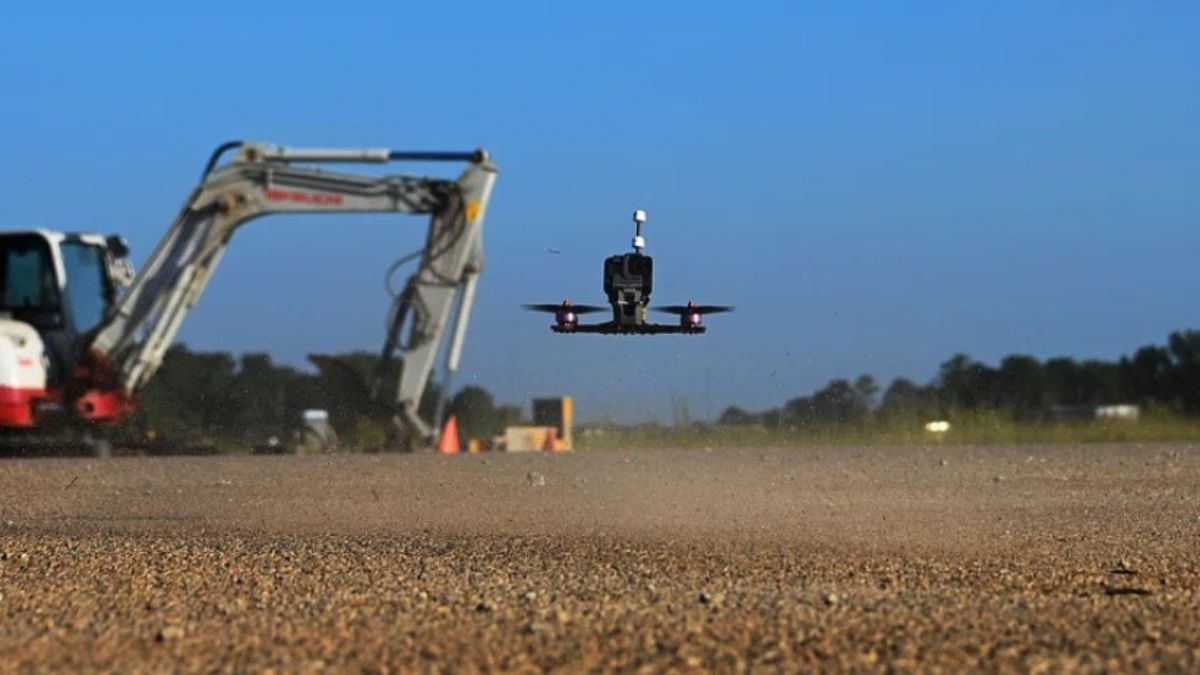
In today’s fast-paced construction world, time and accuracy are everything. Enter UAVs—unmanned aerial vehicles, better known as drones—which are making a big impact on how projects are planned and managed. When paired with Building Information Modeling (BIM) technology, these flying helpers are taking things to the next level.
This process, called Scan to BIM, is changing how architecture, engineering, and construction (AEC) professionals work, making projects faster, more precise, and far more efficient. Let’s dive into how UAV scanning is reshaping the construction industry.
UAVs and BIM: The dream team
Imagine being able to map out an entire construction site in just a few hours—without needing a huge team of surveyors or spending days on it. Thanks to UAV scanning, that’s now possible.
Drones are equipped with advanced cameras and sensors that capture detailed images and data from above. This information is then fed into BIM software to create a 3D model of the site. That’s the magic of Scan to BIM.
In the past, gathering this kind of data took a lot of time and effort. You needed a big crew, lots of equipment, and patience. Now, drones can do it all much faster, cutting down on errors and reducing the need for multiple visits to the site.
With UAVs, you get highly accurate 3D models that help with design verification, creating as-built models, and even building digital twins. It’s a game-changer for project management in the AEC world.
Speed and efficiency: Faster results, Better projects
One of the biggest advantages of using UAVs in Scan to BIM workflows is the speed. Drones can scan a massive area—a site as large as 75 acres—in just a few hours. After that, the data is processed into what’s called a point cloud, which can then be turned into a detailed 3D model.
Compare that with the old way of doing things. Traditional land surveys might take days or even weeks, especially for larger sites. And you’d need a whole team out in the field. UAVs speed up the process, helping you stick to tight project timelines without cutting corners. Faster data collection means quicker decisions, fewer delays, and a smoother workflow overall.
Getting the details right: Why accuracy matters
In construction, getting the details right is everything. Even a small mistake can lead to delays, extra costs, or redoing work that’s already been done. UAV scanning helps avoid these issues by offering extremely accurate data.
The models produced by UAV scans have a precision of up to 0.1-foot horizontally and vertically, which is critical when making design and construction decisions.
These drones can capture the tiniest details, from the shape of the land to the position of utilities, allowing engineers and architects to plan their projects with confidence. That accuracy also helps with identifying potential issues before they become problems, which means fewer mistakes and less rework down the line.
Saving time and money: The bottom line
UAV scanning isn’t just about speed and accuracy; it’s also about saving money. By cutting down on the need for manual surveying, companies can significantly reduce labor costs. Plus, fewer site visits are needed—drones can gather all the necessary data in one go, which means fewer trips to the site and less money spent.
Also, because the data is so accurate, you’re less likely to run into issues that require costly fixes. When everything is measured correctly from the start, there’s less need for rework, which can save a ton of money. Altogether, UAV scanning helps improve project ROI by reducing both time and labor expenses.
Smarter project management with UAVs
The benefits of UAV scanning don’t stop at the data collection phase. The information drones capture is incredibly versatile and can be used throughout the entire project lifecycle. Here are some ways UAV-generated data helps:
1. Creating detailed 3D maps
UAVs can quickly generate highly accurate 3D maps of construction sites. This gives engineers, architects, and planners a clear view of the landscape, helping them design better and more efficiently.
Whether the project involves building infrastructure, commercial buildings, or residential developments, having precise topographical data upfront makes the planning process smoother and helps avoid costly surprises later.
2. Verifying designs in real-time
With UAV scanning, design verification becomes easier. Teams can take real-time data from the drones and compare it against the design plans. If something doesn’t match up, it’s caught early, saving time and avoiding mistakes that would otherwise require rework. These verified designs are crucial for keeping projects on track and within budget.
3. Building digital twins
You might have heard the term “digital twin.” It’s essentially a virtual replica of a physical asset—like a building or infrastructure project. UAV scanning plays a key role in creating these digital twins by providing up-to-date, precise data that reflects what’s happening on the ground. With a digital twin, project managers can monitor, analyze, and optimize the performance of their assets over time, from construction all the way through to ongoing maintenance.
Overcoming the challenges of UAV scanning
Of course, UAV scanning isn’t without its challenges. There are strict regulations around where and when drones can fly, especially in busy urban areas where airspace may be limited. Before deploying drones, companies need to make sure they have all the necessary permits and are following local laws.
Additionally, weather can impact drone performance. Heavy rain, high winds, or other adverse conditions can affect the quality of the data collected. However, even with these challenges, the benefits of UAV scanning far outweigh the drawbacks, making it an invaluable tool for modern construction projects.
The future of construction: UAVs and BIM working together
Incorporating UAVs into Scan to BIM workflows is transforming how professionals in the AEC and M&E industries manage their projects. By speeding up data collection, improving accuracy, and reducing the need for manual surveying, UAV technology is creating more efficient and cost-effective construction processes. From initial site assessments to building digital twins, UAVs are helping teams complete projects faster, with fewer mistakes, and at a lower cost.
As UAV technology continues to advance, it will only become more integrated into the AEC industry. Adopting this technology is a smart move for firms looking to stay ahead in a competitive market. UAV scanning is no longer just a trend—it’s the future of construction, and it’s here to stay. Contact MicroCAD today at 888-355-0081 and let’s get started!
Introduction
If you’ve ever used Quizizz for teaching or training, you’ve probably wondered about the quizizz time limit and how it affects performance. Time settings can shape how students engage, think, and respond. Set it too short, and learners feel rushed. Set it too long, and focus may drop.
In this guide, you’ll learn exactly how the Quizizz time limit works, how to adjust it effectively, and how to use it strategically to improve learning outcomes. Whether you’re a teacher, trainer, or course creator, mastering this feature can make a big difference.
What Is Quizizz Time Limit?
The Quizizz time limit refers to the amount of time allowed for each question or the entire quiz. It controls pacing and influences how participants interact with the content.
Key Points:
- Time can be set per question
- It impacts scoring and engagement
- It can be adjusted depending on difficulty level
- It helps maintain focus and discipline
Quick Definition (Featured Snippet Ready)
Quizizz time limit is the duration assigned to answer each question or complete a quiz, designed to control pacing and enhance engagement.
Types of Time Limits in Quizizz
Understanding the different types of time settings helps you design better quizzes.
1. Per-Question Time Limit
Each question has a fixed time (e.g., 30 seconds).
2. Overall Quiz Timer
A total time limit for the entire quiz session.
3. No Time Limit Mode
Participants can answer at their own pace.
Comparison of Time Limit Types
| Time Setting Type | Best Use Case | Benefits | Drawbacks |
|---|---|---|---|
| Per-Question Timer | Fast-paced quizzes | Keeps students focused | Can stress slower learners |
| Overall Quiz Timer | Exams and assessments | Encourages time management | Harder to control pacing |
| No Time Limit | Practice or homework | Reduces pressure | May reduce engagement |
How to Set Time Limits in Quizizz
Setting the time limit is straightforward but requires thoughtful planning.
Step-by-Step Guide:
- Create or open a quiz
- Edit a question
- Locate the timer option
- Select time (5 seconds to several minutes)
- Save changes
Pro Tip:
Start with moderate timing (30–60 seconds) and adjust based on student feedback.
Why Time Limits Matter in Learning
Time constraints are more than just a setting—they shape behavior.
Benefits of Using Time Limits:
- Improves focus and attention
- Encourages quick thinking
- Prevents distractions
- Simulates real exam conditions
However…
Too much pressure can lead to:
- Anxiety
- Guessing instead of thinking
- Reduced comprehension
Ideal Time Limit Based on Question Type
Different questions require different timing.
Recommended Timing Framework
| Question Type | Recommended Time | Reasoning |
|---|---|---|
| Multiple Choice (Easy) | 15–30 seconds | Quick recall |
| Multiple Choice (Hard) | 45–90 seconds | Requires analysis |
| True/False | 10–20 seconds | Simple decision-making |
| Open-ended | 1–3 minutes | Requires explanation |
| Image-based | 30–60 seconds | Needs visual interpretation |
Best Practices for Setting Quizizz Time Limits
1. Match Time with Difficulty
Harder questions need more thinking time.
2. Consider Your Audience
Younger students or beginners may need extra time.
3. Use Practice Mode First
Test timing before using it in real assessments.
4. Avoid Extreme Limits
Too short or too long can reduce effectiveness.
5. Monitor Performance Data
Adjust timing based on quiz results.
Practical Example
Let’s say you’re creating a science quiz:
- Easy questions: 20 seconds
- Medium questions: 45 seconds
- Hard questions: 75 seconds
This variation keeps the quiz balanced and fair.
Pros and Cons of Using Time Limits
Pros:
- Boosts engagement
- Encourages fast thinking
- Maintains quiz flow
- Simulates real exams
Cons:
- Can increase stress
- May disadvantage slower learners
- Encourages guessing if too strict
Common Mistakes to Avoid
1. Setting the Same Time for All Questions
Not all questions are equal.
2. Ignoring Student Feedback
Learners often reveal timing issues.
3. Overusing Tight Deadlines
This can reduce learning quality.
4. Not Testing the Quiz First
Always preview your quiz.
Advanced Strategies to Optimize Quizizz Time Limit
Use Adaptive Timing
Adjust time based on difficulty levels.
Combine with Power-Ups
Gamify the experience without over-relying on speed.
Analyze Reports
Quizizz provides performance data—use it.
Strategy Breakdown Table
| Strategy | How It Works | Outcome |
|---|---|---|
| Adaptive Timing | Vary time per question | Better fairness |
| Practice Mode First | Test before live quiz | Reduced errors |
| Data Analysis | Review quiz reports | Continuous improvement |
| Balanced Pressure | Moderate time constraints | Higher engagement |
When Should You Remove Time Limits?
There are situations where removing time limits is beneficial.
Use No Time Limit When:
- Teaching new concepts
- Supporting special needs learners
- Running homework assignments
- Encouraging deep thinking
Quizizz Time Limit for Different Use Cases
Classroom Learning
Moderate timing works best.
Competitive Quizzes
Short time limits increase excitement.
Exams
Use structured timing similar to real tests.
Best Practices Summary
- Keep timing flexible
- Align with difficulty
- Test before publishing
- Use feedback loops
- Avoid unnecessary pressure
Conclusion
The quizizz time limit is more than just a timer—it’s a powerful tool that shapes how learners interact with content. When used correctly, it improves focus, engagement, and performance. However, it requires thoughtful planning and constant adjustment.
By balancing challenge with fairness, you can create quizzes that are both effective and enjoyable. Start experimenting with different timing strategies, and you’ll quickly see the difference.
FAQs
1. What is the maximum time limit in Quizizz?
Quizizz allows several minutes per question, depending on settings, but exact limits may vary.
2. Can I remove the time limit in Quizizz?
Yes, you can choose a no-time-limit mode for self-paced learning.
3. Does time affect scoring in Quizizz?
Yes, faster correct answers often earn more points.
4. What is the best time limit for quizzes?
It depends on difficulty, but 30–60 seconds is common for most questions.
5. Can students pause the timer?
No, once the quiz starts, the timer runs continuously.
Continue Reading on Wilddiscs
Introduction
If you’re searching for jynx qr code ultra moon, you’re likely trying to unlock this iconic Ice/Psychic Pokémon quickly and efficiently. Fortunately, Pokémon Ultra Moon makes it easier than ever through the QR Scanner feature.
Instead of spending hours hunting in the wild, you can simply scan a QR code and register Jynx in your Pokédex—unlocking its location in seconds. But there’s more to it than just scanning.
In this guide, you’ll learn exactly how QR codes work, where to find Jynx afterward, and how to maximize your Island Scan rewards.
What Is the Jynx QR Code in Ultra Moon?
The Jynx QR code in Ultra Moon is a scannable code that allows players to register Jynx in their Pokédex instantly. Once registered, you can locate it using the Island Scan feature.
How QR Codes Work
- Open your Rotom Dex
- Select the QR Scanner
- Scan a valid Pokémon QR code
- Add the Pokémon to your Pokédex
- Build points toward Island Scan
Each scan gives you 10 points, and once you reach 100 points, you unlock Island Scan.
How to Use Jynx QR Code Ultra Moon
Step-by-Step Process
- Open your menu and launch the QR Scanner
- Scan the Jynx QR code
- Confirm Pokédex registration
- Continue scanning until you reach 100 points
- Activate Island Scan
- Travel to the correct island and location
Quick Breakdown Table
| Step | Action | Result |
|---|---|---|
| 1 | Scan Jynx QR code | Pokédex entry unlocked |
| 2 | Accumulate 100 points | Island Scan unlocked |
| 3 | Activate scan | Rare Pokémon appears |
| 4 | Visit location | Encounter Jynx |
This system allows players to access Pokémon that may not normally appear early in the game.
Where to Find Jynx After Scanning
After using Island Scan, Jynx appears in a specific location depending on the day.
Jynx Location Details
| Island | Location | Day Available | Level Range |
|---|---|---|---|
| Ula’ula Island | Mount Lanakila | Sunday | Level 30 |
Important Notes
- Jynx only appears once per scan session
- You have 1 hour to find and catch it
- It does not respawn until next Island Scan
Because of this, preparation is key before activating Island Scan.
Best Strategy to Catch Jynx Easily
Catching Jynx can be tricky due to its speed and special attack. However, with the right approach, it becomes much easier.
Recommended Strategy
- Bring Pokémon with False Swipe
- Use status conditions like Sleep or Paralysis
- Carry Ultra Balls or Timer Balls
- Save before encounter
Battle Preparation Table
| Strategy Element | Why It Helps |
|---|---|
| False Swipe | Leaves Jynx at 1 HP |
| Sleep moves | Increases catch rate |
| Timer Balls | Better in longer battles |
| Save game | Retry if needed |
Using these methods significantly boosts your chances of success.
Pros and Cons of Using QR Codes
Pros
- Quick Pokédex registration
- Saves time searching
- Unlocks rare Pokémon early
- Easy to use
Cons
- Requires Island Scan cooldown
- Limited appearance window
- Only one encounter per session
- Requires preparation
While QR codes are powerful, they still require smart planning.
Common Mistakes to Avoid
Even experienced players sometimes misuse the QR system. Avoid these mistakes to ensure success.
Top Mistakes
- Activating Island Scan unprepared
- Forgetting the correct day
- Not bringing enough Poké Balls
- Missing the 1-hour time limit
- Scanning random codes inefficiently
These errors can cost you the encounter entirely.
Best Practices for QR Code Scanning
To make the most of the system, follow these proven tips.
Smart QR Usage
- Scan multiple codes daily to build points
- Plan scans around target Pokémon days
- Use online QR databases for accuracy
- Combine with Pokédex completion goals
Optimization Table
| Practice | Benefit |
|---|---|
| Daily scanning | Faster Island Scan unlock |
| Target planning | Better rare Pokémon access |
| Preparation | Higher catch success |
| Resource management | Efficient gameplay |
Consistency is key to mastering this feature.
Practical Example: Unlocking Jynx Quickly
Let’s walk through a real scenario.
You scan 10 QR codes in one session, reaching 100 points. Then:
- You wait until Sunday
- Activate Island Scan
- Fly to Mount Lanakila
- Locate Jynx in the grass
- Use Sleep + Ultra Ball combo
Within minutes, you successfully catch Jynx without grinding.
This is why QR codes are such a powerful tool in Ultra Moon.
Why Jynx Is Worth Getting
Jynx isn’t just a collectible—it’s a strong addition to your team.
Key Strengths
- High Special Attack
- Strong Ice-type moves
- Useful against Dragon types
- Unique Psychic coverage
Weaknesses
- Low Defense
- Vulnerable to common types
- Requires careful positioning
Still, when used correctly, Jynx can be a valuable asset.
Advanced Tips for Island Scan
If you want to go beyond basics, these advanced strategies will help.
Pro-Level Tips
- Save Island Scan for rare Pokémon only
- Track weekly rotation schedule
- Combine with EV training routes
- Use Repels to control encounters
These techniques separate casual players from experienced ones.
Conclusion
Using the jynx qr code ultra moon method is one of the fastest and most efficient ways to unlock and catch Jynx in the game.
With the QR Scanner and Island Scan features, you can bypass traditional grinding and access rare Pokémon with ease. However, success depends on preparation, timing, and strategy.
By following this guide, you’ll not only catch Jynx but also master one of Ultra Moon’s most powerful mechanics.
FAQs
1. Can I catch Jynx without QR codes in Ultra Moon?
Yes, but it’s much rarer and harder to find compared to using Island Scan.
2. How often can I use Island Scan?
Once every 24 hours after reaching 100 QR points.
3. Does the Jynx QR code guarantee a catch?
No, it only unlocks the encounter. You still need to battle and catch it.
4. Can I scan the same QR code multiple times?
No, each QR code can only be scanned once per save file.
5. What happens if I miss Jynx during Island Scan?
You’ll need to wait and use Island Scan again on the next eligible day.
Continue Reading on Wilddiscs
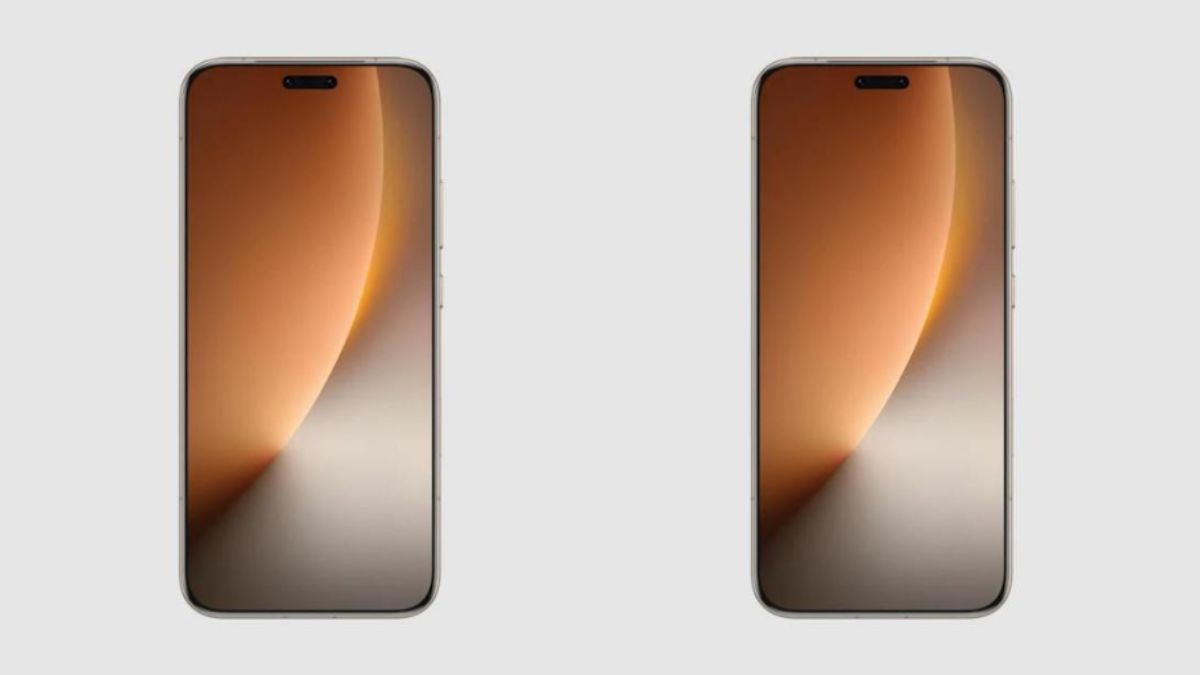
Security often feels abstract until something goes wrong with a phone you rely on every single day. Many people postpone updates because they are busy, worried about storage space, or simply annoyed by repeated reminders. In reality, those small update notifications represent ongoing work to keep your device safe, stable, and useful in daily life. Skipping them may seem harmless at first, but over time, it quietly increases risks that affect your data, finances, and overall phone experience. To clarify why this matters so much, in this article, we explain the real-world reasons regular phone updates are essential and how they protect you long term.
Reason 1: Critical Security Patches
Updates Fix Vulnerabilities Hackers Exploit
Every operating system has weaknesses that are discovered over time, even after a phone is released. Hackers actively search for these flaws and share them within underground communities. When an update is released, it often quietly fixes a specific vulnerability that could be exploited remotely. In everyday terms, installing updates closes digital doors that attackers are trying to force open. Ignoring updates leaves those doors unlocked, even if everything seems normal on the surface. Over months or years, these unpatched gaps can accumulate and significantly increase your exposure to attacks.
Protects Your Personal and Financial Data
Your phone stores far more sensitive information than most people realize. Banking apps, saved passwords, personal photos, and private messages all live in one place. Security updates strengthen how this data is protected behind the scenes. Without them, malicious apps or phishing attacks have a higher chance of success. Regular updates reduce the risk that personal or financial information is stolen without your knowledge. This protection is especially important as mobile payments and digital identities become part of daily routines.
Reason 2: Essential Bug Fixes and Stability
Resolves Annoying Glitches and Crashes
Small software bugs can slowly turn into major frustrations in daily use. You may notice apps freezing, notifications arriving late, or the screen becoming unresponsive at random times. These issues are often already known by developers and addressed in updates. Installing updates replaces unstable code with improved versions. Over time, this leads to a noticeably smoother and more reliable experience. Fewer interruptions also mean less stress when you rely on your phone for work or family communication.
Improves Overall System Performance
Performance problems are not always caused by aging hardware alone. Inefficient software processes can waste system resources and slow everything down. Updates often optimize how memory, storage, and processing power are used. This means apps open faster and multitasking feels smoother. Even older phones can feel more responsive simply by staying up to date. Consistent performance improvements can make a device feel renewed instead of worn out.
Reason 3: New Features and App Compatibility
Unlocks Useful New Tools and Improvements
Updates do more than fix problems; they often add practical features that improve daily life. These can include better privacy controls, smarter battery management, or accessibility improvements. While each feature may seem small, together they significantly enhance usability. Over time, updated phones feel more refined and capable. Skipping updates means missing out on improvements designed to make tasks easier. These refinements often reflect real user feedback gathered over millions of devices.
Ensures Latest Apps Work Properly
App developers design new versions based on the latest system software. If your phone is outdated, apps may stop updating or behave unpredictably. This can affect essential tools like navigation, communication, or work-related apps. In daily use, this creates friction and limits functionality. Keeping your phone updated ensures compatibility with the apps you rely on most. It also reduces the risk of sudden app failures when services update their requirements.
Reason 4: Maximizing Your Phone’s Lifespan
Keeps Your Device Relevant and Secure Longer
Regular updates extend the useful life of a phone by keeping it secure against new threats. This means you can safely use your device for many years without worrying about vulnerabilities. Updated software also adapts the phone to evolving online services. In practical terms, your phone stays useful instead of feeling outdated too quickly. This long-term relevance saves money and reduces frustration. It also allows you to delay making difficult upgrade decisions.
Delays the Need for a Premature Upgrade
Many people replace phones because they feel slow or unreliable, not because the hardware is broken. Software updates often resolve these issues and restore confidence in daily use. By keeping your phone updated, you delay the need to buy a new device. This approach is both economical and environmentally responsible. A well-maintained phone can meet your needs longer than expected. Over time, this habit helps you get full value from your original purchase.
Conclusion
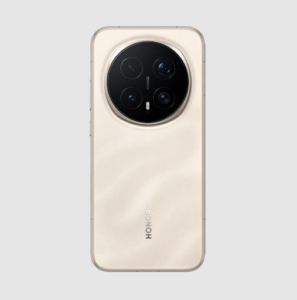
Regular updates should be treated as routine maintenance, much like locking your door or backing up important files. In everyday life, the few minutes spent updating can prevent hours of stress caused by security issues or system failures. Updates help protect your data, improve performance, and keep your phone compatible with modern apps. When some users eventually decide it is time to move on from an aging device, switching to a newer, well-supported phone—such as the HONOR Magic 8 Pro smartphone—can make staying updated easier and more reliable in the long run. Ultimately, turning updates into a habit rather than a decision helps keep your digital life safer and smoother every day.
-

 TECHNOLOGY1 year ago
Top 10 Must-Read Stories from Kristen Archives You Can’t Miss
-

 TECHNOLOGY2 years ago
Sky Bri Net Worth Revealed: How She Built Her Financial Empire
-

 BEAUTY2 years ago
Revitalize Your Hair with Oribe Hair Care for Damaged Hair: Style It with Blue Dresses for Weddings and Events
-

 TOPIC2 years ago
Things To Know Before Moving To Burlingame, CA
-

 TOPIC2 years ago
Reasons You Should Move to San Francisco
-
TOPIC2 years ago
Should You Move from Thousand Oaks CA to Los Angeles?
-

 TOPIC2 years ago
Basement Renovation Contractors: How They Tackle Structural Issues During Renovations
-

 TOPIC2 years ago
Moving To Irvine: Tips For A Smooth Transition To Orange County