
LIFESTYLE
Switching 2nd: Seamless Gear Transitions in Manual Transmission

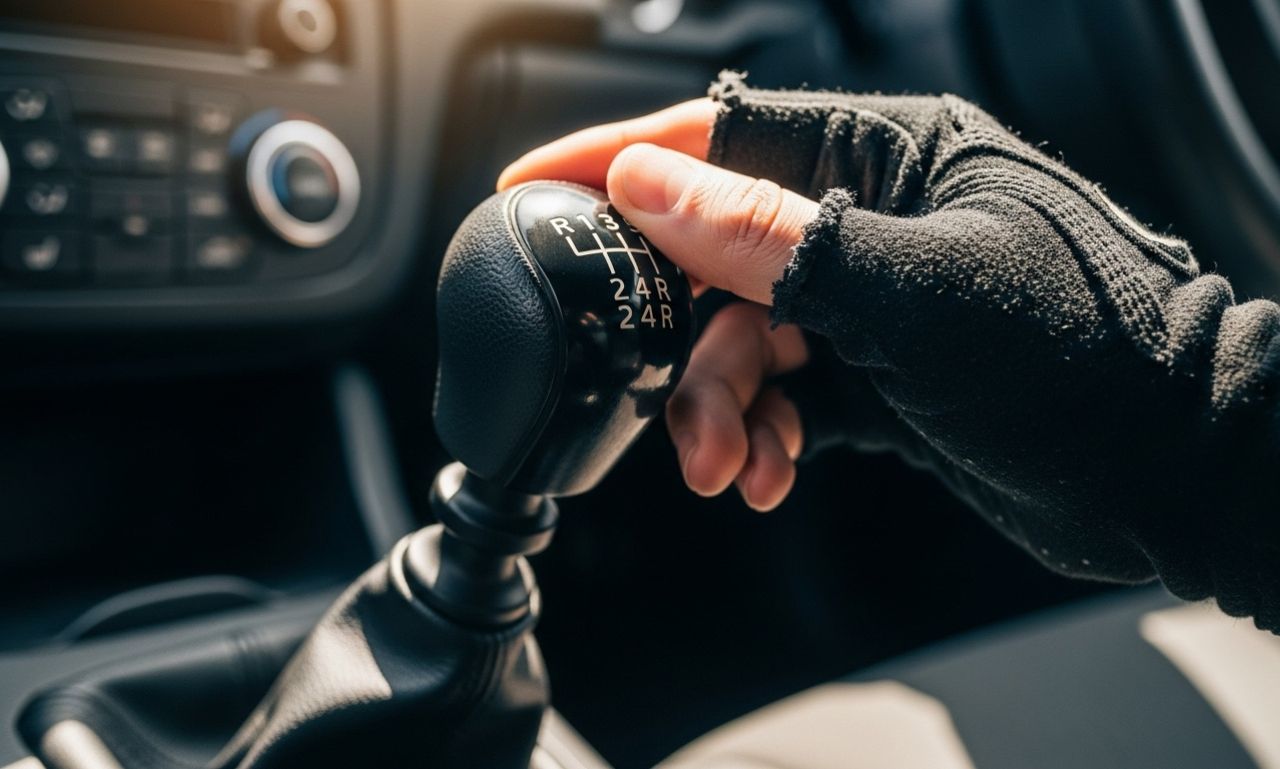
Manual transmission vehicles have a distinct charm. There’s something exhilarating about taking control of the gear shifts, feeling every change in speed and power. For many driving enthusiasts, mastering a manual is not just a skill but an art form. One of the key elements in this dance with gears is switching 2nd—an essential transition that can make or break your driving experience.
But what exactly does it mean to switch into second gear? While it might seem straightforward, achieving seamless transitions requires finesse and practice. Many drivers encounter bumps along the way when learning to shift smoothly between gears. However, mastering this technique can elevate your driving from mundane to thrilling.
This guide will explore everything you need to know about switching 2nd effectively—from common struggles during gear changes to tips for ensuring smooth transitions. Let’s dive into this fascinating world of manual transmissions and discover how you can enhance your skills on the road!
What is Switching 2nd?
Switching 2nd refers to the process of smoothly changing from first gear to second gear in a manual transmission vehicle. This transition is crucial for maintaining momentum and optimizing performance while driving.
When you shift into second gear, you’re essentially allowing your car to accelerate more efficiently. It provides a balance between power and speed, especially during city driving or when navigating hilly terrain.
Mastering this skill can enhance your overall driving experience. You’ll find that it improves not only the responsiveness of your vehicle but also contributes to better fuel efficiency over time.
Many drivers underestimate the importance of switching gears correctly. A seamless transition ensures that you don’t lose speed or strain the engine unnecessarily. Understanding how to execute this shift effectively is key for anyone looking to improve their manual driving skills.
Common Struggles with Gear Transitions
Switching gears in a manual transmission can be tricky. Many drivers struggle, especially when it comes to switching 2nd gear.
One common issue is timing. Drivers often hesitate before making the shift, which can lead to missed gears or unnecessary engine revs.
Another struggle lies in coordination. Finding the right balance between clutch control and throttle response requires practice. Newer drivers may find themselves grinding gears or stalling altogether.
Fear of damaging the vehicle adds pressure too. This anxiety can cause hesitation during transitions, resulting in jerky movements rather than smooth shifts.
Distractions on the road can make focusing on gear changes even harder. Juggling traffic conditions while managing your car’s mechanics creates an additional layer of complexity for those still mastering their manual skills.
The Importance of Smooth Gear Transitions
Smooth gear transitions are crucial for enhancing the driving experience. They allow drivers to maintain momentum and control, which is especially important in manual transmission vehicles.
When you shift gears seamlessly, it minimizes stress on the engine and reduces wear on components. This not only prolongs the life of your vehicle but also improves fuel efficiency.
Drivers who master smooth transitions often find their cars respond better to their commands. The connection between driver and machine becomes more intuitive, making every journey enjoyable.
Furthermore, smooth shifts contribute to safety. Abrupt changes can lead to loss of traction or unexpected stalling, increasing risks on the road.
In spirited driving situations, having fluidity in your gear changes allows for quicker acceleration and better handling around corners—key elements that enhance performance without sacrificing stability.
Tips for Smooth Gear Transitions
To achieve smooth gear transitions, focus on timing. Anticipate when to shift gears based on your speed and engine sound. Listen closely; the engine will give you cues.
Use gentle pressure on the clutch pedal. Press it fully down before shifting while ensuring a quick release to avoid stalling. A light touch helps maintain control over the vehicle.
Pay attention to throttle input as you switch gears. Gradually increase or decrease acceleration for a seamless transition without jolting.
Practice matching revs by blipping the throttle during downshifts. This technique aligns engine RPM with wheel speed, reducing strain on components.
Stay relaxed in your grip on the steering wheel and gear shifter. Tension can lead to abrupt movements that disrupt flow and comfort during shifts.
Advantages of Seamless Gear Transitions
Seamless gear transitions can significantly enhance your driving experience. For manual transmission enthusiasts, mastering this technique can lead to smoother rides and improved control.
One of the primary advantages is increased vehicle responsiveness. When you shift gears seamlessly, the car accelerates more efficiently without any noticeable lag. This responsiveness allows for better maneuverability in various driving conditions.
Additionally, seamless shifts reduce wear on your clutch and gearbox components. By minimizing jolts during gear changes, you help maintain the longevity of these vital parts.
Another benefit is heightened comfort for both driver and passengers. Smooth transitions create a more enjoyable ride by reducing sudden jerks that can cause discomfort or even motion sickness.
Perfecting seamless gear transitions instills confidence in drivers. Mastery over gear shifting not only improves overall performance but also enhances your connection with the vehicle itself.
Common Mistakes to Avoid in Gear Transitions
Many drivers struggle with gear transitions due to a few common mistakes. One major error is rushing the shift without proper clutch engagement. This can lead to grinding gears, which is not only annoying but can cause damage over time.
Another frequent issue arises from incorrect timing. Shifting too early or too late disrupts the flow of power and makes it hard for the vehicle to accelerate smoothly.
Failing to match engine speed during downshifts also causes problems. If your RPMs are not synchronized, you might feel a jolt as the car struggles to adjust.
Neglecting routine practice leads to hesitation in switching 2nd gear effectively. Consistency is key when mastering smooth transitions in manual vehicles; skipping practice sessions could hinder progress significantly.
Practice Makes Perfect: Exercises for Improving Gear Transitions
To master the art of switching 2nd, practice is essential. Start in a quiet area with minimal traffic. This allows you to focus entirely on your gear transitions without distractions.
A simple exercise involves starting from a complete stop. Shift into first gear and gradually accelerate. When it’s time to switch to second, listen for the engine’s sound as an indicator. Timing is crucial here; find that sweet spot where you can smoothly engage the clutch.
Next, try practicing downshifting while decelerating. This helps develop muscle memory for both upshifts and downshifts alike. Experiment with different speeds and RPMs until each transition feels natural.
Another effective routine is using cones or markers in an empty parking lot. Set them at specific distances to simulate driving conditions, allowing yourself to practice shifting seamlessly under varying circumstances.
Repetition builds confidence, so dedicate time each week to refine these techniques continuously.
Conclusion
Mastering the art of switching 2nd is an essential skill for anyone driving a manual transmission vehicle. Smooth gear transitions not only enhance your driving experience but also increase the longevity of your car’s engine and transmission system. With practice, you can become proficient in making those seamless shifts that make all the difference on the road.
Remember to focus on timing and coordination between clutch engagement and acceleration. Avoid common pitfalls like rushing through gears or neglecting to listen to your engine’s sound cues. The journey to mastering this technique may have its challenges, but with dedication and consistent practice, you’ll find yourself shifting with ease.
Embrace every opportunity to drive, experiment with different scenarios, and learn from each experience behind the wheel. As you refine your skills in switching 2nd efficiently, you’ll gain confidence as a driver while ensuring safety for both yourself and others on the road. Keep practicing; it will pay off tremendously when you’re effortlessly shifting gears like a pro!


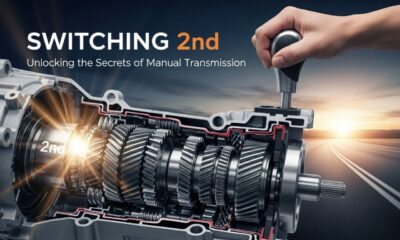


David Borhaz is a name that resonates in the contemporary art scene. His journey from humble beginnings to becoming a modern master is nothing short of inspiring. With each brushstroke, he captures emotions and tells stories that resonate deeply with viewers. Whether you’re an art aficionado or just curious about his work, there’s something enchanting about Borhaz’s creations.
In this blog post, we’ll delve into the life of David Borhaz—exploring his early works, how his style has evolved over time, and what makes his masterpieces stand out in galleries worldwide. You’ll also discover insights from an exclusive interview with the artist himself, shedding light on his inspirations and future projects. Prepare to immerse yourself in the world of David Borhaz!
Who is David Borhaz?
David Borhaz is an innovative artist whose work transcends traditional boundaries. Born in a small town, he quickly developed a passion for painting and sculpture. His unique approach combines vibrant colors with thought-provoking themes.
Borhaz’s style reflects his diverse influences, ranging from classical art to contemporary movements. He has an innate ability to capture the essence of human emotion through his art. Each piece tells a story that resonates deeply with viewers.
Beyond being just an artist, Borhaz is also a storyteller. His work invites contemplation and challenges perspectives on societal norms. This multifaceted creator continues to push the envelope, evolving his craft while maintaining authenticity.
His journey from humble beginnings to international acclaim showcases not only talent but also resilience and determination. David Borhaz represents the heartbeat of modern artistry, inspiring countless individuals along the way.
Early Works of David Borhaz
David Borhaz’s early works reveal the foundations of his artistic journey. They are raw, vibrant, and filled with emotion. Each piece radiates a sense of exploration as he navigated through various mediums.
In these formative years, Borhaz experimented with traditional techniques while also integrating modern elements. His use of color was particularly striking; bold hues danced across the canvas, creating dynamic compositions that captured attention.
Subjects in his early pieces often reflected everyday life and personal stories. This focus on genuineness laid the groundwork for what would become a signature style—an interplay between realism and abstraction.
As he honed his craft, these initial artworks showcased not only technical skill but also a burgeoning philosophical depth that would later characterize his masterpieces. The blend of innocence and insight in this body of work invites viewers into Borhaz’s evolving world.
The Evolution of Borhaz’s Artistic Style
David Borhaz’s artistic journey is a fascinating study in transformation. Early on, his work showcased bold colors and abstract shapes, capturing the energy of his surroundings. These initial pieces hinted at an inner chaos, reflective of both personal struggles and societal observations.
As he matured as an artist, Borhaz began to integrate more subtlety into his palette. The vibrant hues softened into muted tones that conveyed deeper emotions. This shift marked a significant evolution in how he approached themes like identity and human connection.
In recent years, elements of surrealism have emerged in his art. Dream-like landscapes blend with stark realities, creating a dialogue between imagination and experience. Each piece invites viewers to explore their own interpretations while revealing layers of complexity within Borhaz’s mind.
His ability to adapt continues to inspire new generations while challenging traditional perceptions of contemporary art.
His Most Recognized Masterpieces
David Borhaz has captivated audiences with a range of masterpieces that showcase his evolving artistry. One of his most acclaimed works, “Elysian Fields,” embodies the serene beauty of nature through vibrant colors and intricate details. The piece invites viewers into a tranquil world where every brushstroke breathes life.
Another standout is “Urban Echoes.” This artwork contrasts the chaos of city life with moments of stillness. Its dynamic composition captures the pulse of urban existence while encouraging reflection.
“Reflections in Time” further exemplifies Borhaz’s skillful blending of modern themes with classical techniques. The interplay between light and shadow creates depth that resonates on multiple levels.
Each masterpiece tells its own story, revealing layers that invite deeper exploration. David Borhaz’s art speaks to both personal experience and universal emotions, making them timeless treasures in contemporary art.
Impact and Influence on the Art World
David Borhaz has left an indelible mark on the art world, redefining contemporary artistic boundaries. His unique approach to color and form challenges traditional perspectives, inspiring both established artists and emerging talents.
Through his innovative techniques, he encourages a dialogue about modern themes such as identity, culture, and technology. Many have adopted elements of his style while experimenting with their own interpretations.
Borhaz’s influence extends beyond galleries; it permeates social media platforms where young creators showcase their work inspired by him. He has become a symbol of creativity that resonates in various artistic circles.
Art collectors often seek his pieces not just for aesthetic value but also for their storytelling potential. This narrative quality captivates audiences and fosters deeper connections with the artwork itself.
Exclusive Interview with David Borhaz
Recently, I had the privilege of sitting down with David Borhaz to gain deeper insights into his creative process. His passion for art radiates from every word he shares.
When asked about his inspirations, Borhaz spoke candidly about nature and human emotion as core elements. He described how they intertwine in his work, creating a dialogue that resonates with viewers on multiple levels.
We delved into the challenges he faced during his evolution as an artist. His experiences shaped him profoundly, and he emphasized resilience as a crucial trait for any creator.
Borhaz also hinted at future projects that are sure to captivate audiences. With each endeavor, he strives to push boundaries while remaining true to his artistic vision. The excitement in his voice was palpable when discussing these upcoming pieces.
His genuine approach leaves one eagerly anticipating what comes next in this remarkable artist’s journey.
Legacy and Future Projects
David Borhaz’s legacy is woven into the fabric of contemporary art. His innovative approach has inspired a new generation of artists to explore uncharted territories in their creative expressions.
As he continues to evolve, Borhaz remains committed to pushing boundaries. His upcoming projects promise fresh perspectives and captivating narratives that challenge viewers’ perceptions.
Collaborations with emerging artists have already begun, fostering an environment where creativity flourishes. These partnerships are not just about shared visions; they reflect his dedication to mentorship within the artistic community.
In addition, Borhaz plans to host workshops aimed at cultivating talent and encouraging experimentation among aspiring creators. This initiative will extend his influence beyond traditional gallery spaces, reaching new audiences eager for artistic exploration.
The future holds much for David Borhaz as he seeks not only personal growth but also strives to leave an enduring mark on the world of art itself.
Conclusion
David Borhaz has etched his name in the annals of contemporary art. His journey from a budding artist to a modern master is nothing short of inspiring. The evolution of his style reflects both personal and artistic growth, showcasing an ability to adapt and innovate.
His early works laid the foundation for what would become a unique artistic voice. As he matured, so too did his techniques and themes, leading to masterpieces that resonate deeply with audiences around the world. Each piece tells its own story while contributing to a larger narrative within the art community.
Borhaz’s impact extends beyond just his creations; he influences aspiring artists and seasoned professionals alike. Through workshops, talks, and collaborations, he shares insights that foster creativity and inspire new generations.
Looking ahead, it will be exciting to see how David continues to evolve as an artist. With upcoming projects on the horizon, fans can anticipate fresh perspectives that push boundaries even further.
The legacy of David Borhaz is solidifying day by day—a testimony not only to his talent but also to his dedication toward enriching the global arts landscape.
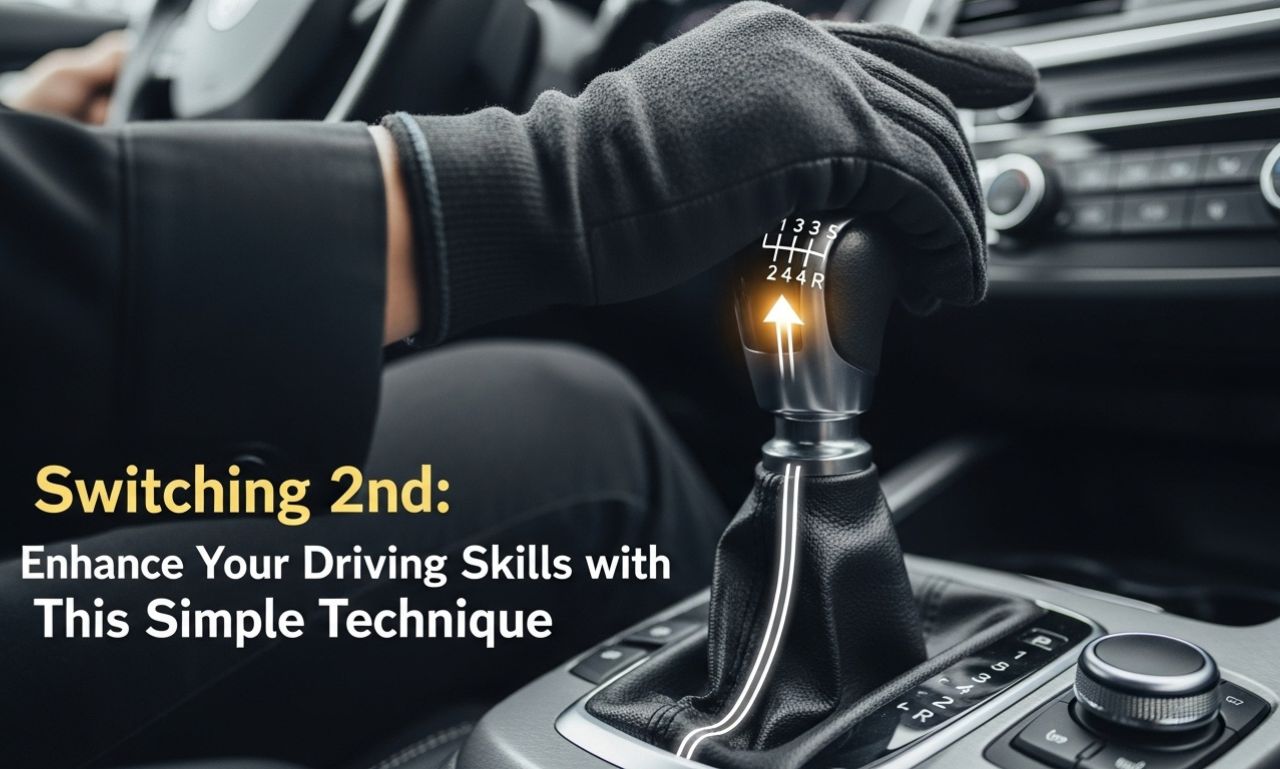
Have you ever hit a snag while driving, feeling like your skills could use a little polish? If you’re looking to elevate your game behind the wheel, there’s an exciting technique that can transform your driving experience: switching 2nd. This simple yet effective method not only enhances control but also boosts confidence on the road. Whether you’re a newbie driver or have years of experience under your belt, mastering this technique could be just what you need to become more adept at navigating various terrains and conditions. Let’s dive into what switching 2nd is all about and how it can make you a better driver.
What is Switching 2nd?
Switching 2nd is a driving technique that enhances vehicle control and performance. It involves shifting into second gear while maintaining speed in specific situations, such as during turns or when navigating challenging terrains.
This method allows drivers to utilize the engine’s torque more efficiently. By engaging second gear, you can achieve better acceleration without losing grip on slippery surfaces. This promotes smoother transitions and greater overall stability.
Many enthusiasts have adopted switching 2nd for its ability to improve handling dynamics. It’s particularly useful in motorsports but can also benefit everyday drivers seeking confidence behind the wheel.
The beauty of this technique lies in its simplicity; it doesn’t require extensive modifications or complex understanding of mechanics. Just an open mind and willingness to practice make all the difference in mastering it effectively.
History and Benefits of This Technique
The Switching 2nd technique has roots in competitive driving. It was developed to help drivers maintain control during rapid transitions, especially in racing environments. Over time, this method gained traction beyond the racetrack.
Drivers discovered that switching gears smoothly not only enhances speed but also improves vehicle handling. This technique allows for better acceleration while minimizing engine strain. As a result, it became popular among everyday motorists seeking a more responsive driving experience.
Practicing Switching 2nd fosters confidence behind the wheel. It encourages awareness of gear changes and promotes smoother interactions with the vehicle’s mechanics. By mastering this technique, drivers can navigate various terrains with ease and efficiency.
Moreover, it cultivates an understanding of how engine power operates across different speeds. This knowledge empowers drivers to make better decisions on the road, enhancing overall safety while reducing wear and tear on their vehicles.
Step-by-Step Guide for Implementing the Switching 2nd Technique
To implement the switching 2nd technique, start by familiarizing yourself with your vehicle’s controls. Ensure you understand how to engage and disengage gears smoothly.
Begin in a safe area, like an empty parking lot. Accelerate gently in first gear until you’re ready to switch.
As you approach around 2000 RPMs, prepare for the transition. Press down on the clutch and shift into second gear fluidly but decisively.
It’s essential to release the clutch gradually while simultaneously applying throttle. This synchronizes your speed with engine power effectively.
Practice this sequence multiple times until it feels natural. The more comfortable you become, the smoother each shift will be.
After mastering this in a controlled space, try it out during regular driving conditions—always remain aware of traffic around you!
Real-Life Examples of How This Technique Can Improve Driving Skills
Many drivers have experienced a significant transformation in their skills after mastering the switching 2nd technique. For instance, Sarah, an enthusiastic weekend driver, struggled with cornering at high speeds. After adopting this method, she noticed her ability to maintain control improved dramatically. The smoother transitions allowed her to navigate sharp turns without losing momentum.
Then there’s Mark, who often found himself hesitant during lane changes. By practicing switching 2nd on his daily commute, he became more confident and precise when merging into traffic. His reaction times sharpened as he learned to anticipate vehicle dynamics better.
Even professional driving instructors advocate for this technique. They report that students grasp complex maneuvers faster when they incorporate switching 2nd into their practice sessions. It’s not just about speed; it’s about developing a deeper understanding of vehicle handling under varying conditions.
Common Mistakes to Avoid When Using the Switching 2nd Technique
One of the most common mistakes drivers make when using the switching 2nd technique is overthinking. When you focus too much on each step, it can disrupt your rhythm and lead to errors.
Another pitfall is not practicing in a safe environment first. Trying this technique on busy roads can heighten stress levels, making it harder to concentrate on execution.
Some drivers also forget to maintain proper speed. Switching gears requires being mindful of your acceleration; going too fast or slow can throw off balance and control.
Additionally, relying solely on this method without integrating other driving skills may limit overall improvement. It’s essential to blend techniques for maximum effectiveness.
Neglecting feedback from experienced drivers can be detrimental. Seeking advice might reveal areas that need adjustment or refinement in your approach.
Additional Tips for Becoming a Better Driver
To enhance your driving skills, always stay aware of your surroundings. This means keeping an eye on pedestrians, cyclists, and other vehicles at all times.
Practice defensive driving. Anticipate the actions of others and prepare to react calmly rather than impulsively.
Limit distractions inside your vehicle. Put away your phone and adjust settings before you hit the road to maintain focus.
Consider taking advanced driving courses. These can provide valuable insights into handling various situations safely.
Regularly check your vehicle’s maintenance status. Ensure brakes, tires, and lights are in good working condition for optimal safety.
Create a habit of reflecting on each drive. Think about what went well and where improvements can be made for future journeys.
Why You Should Try the Switching 2nd Technique for Yourself
Switching 2nd is more than just a technique; it’s an opportunity to transform your driving experience. By mastering this skill, you can find smoother transitions between gears and enhance overall control of your vehicle.
Imagine gliding through traffic with newfound confidence. The precision that comes with switching 2nd allows for better acceleration and improved response times in various situations.
Trying out this method not only sharpens your skills but also deepens your understanding of how vehicles operate. You’ll gain insights into engine behavior and the mechanics behind gear changes.
As you practice, you’ll notice a significant difference in handling curves or navigating busy streets. This level of mastery boosts both safety and enjoyment during every drive. Embrace the challenge—your road adventures await!
Conclusion
Switching 2nd is not just a technique; it’s an opportunity to elevate your driving skills. By embracing this method, you can gain better control of your vehicle and enhance your overall experience on the road. The practice has stood the test of time for good reason, offering numerous benefits that both novice and experienced drivers can appreciate.
As you’ve seen, implementing Switching 2nd is straightforward with a little patience and commitment. By following our guide and learning from real-life examples, you’ll be well on your way to mastering this skill. Remember to avoid common pitfalls along the way—awareness is key.
This technique provides different ways to refine how you drive, making every journey smoother and more efficient. So why not give it a try? You might find yourself enjoying each ride even more than before while building confidence behind the wheel.
Your journey toward becoming a better driver begins now! Embrace Switching 2nd and watch as your driving transforms into something truly remarkable.
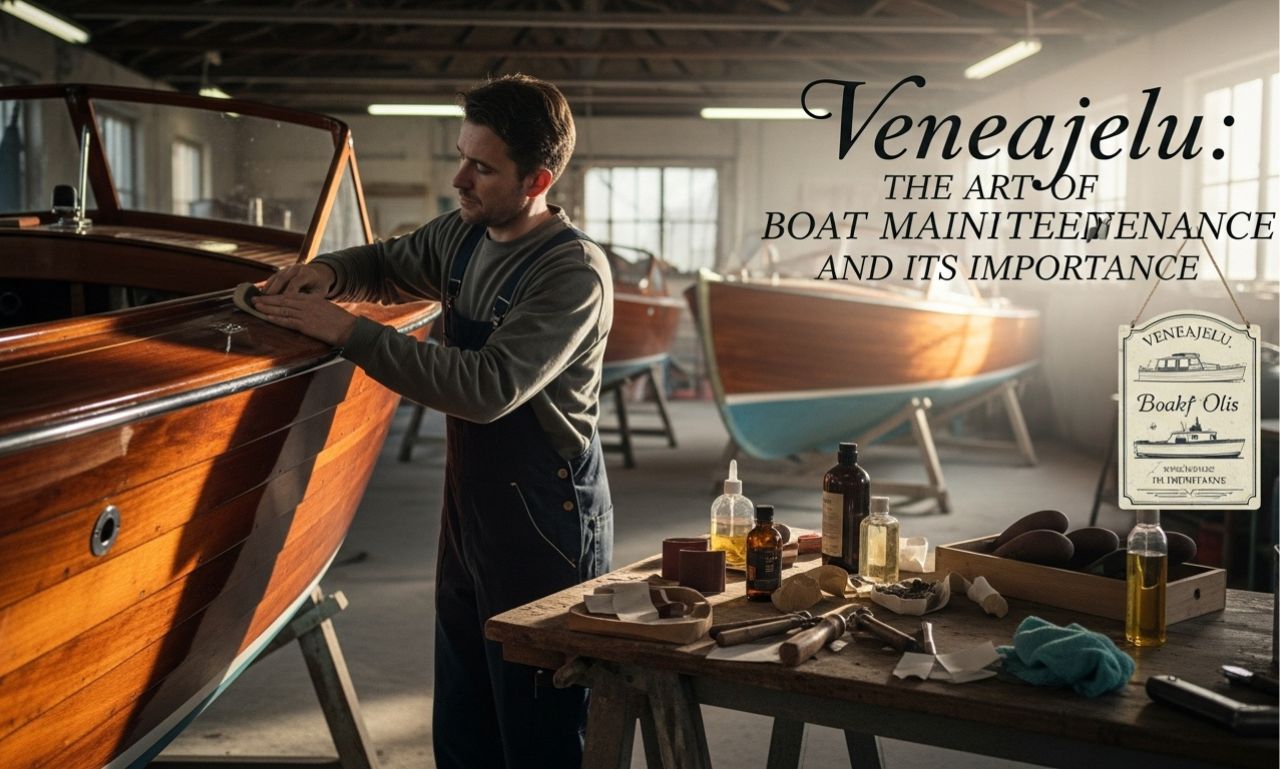
Veneajelu is more than just a word; it’s a way of life for boat enthusiasts around the globe. Picture yourself gliding across serene waters, with the sun setting in the distance and your trusty vessel beneath you. But what keeps that dream alive? The answer lies in proper boat maintenance—or veneajelu. Understanding this art not only enhances your boating experience but also extends the lifespan of your beloved craft.
Whether you’re new to boating or a seasoned sailor, maintaining your boat can feel daunting. Fear not! This guide will unravel the mysteries behind effective veneajelu, ensuring that you enjoy smoother sails and worry-free adventures on the water. Let’s dive deep into this essential aspect of boating—your journey starts here!
What is Veneajelu?
Veneajelu is the Finnish word for boat maintenance, encompassing a range of tasks essential for keeping boats in prime condition. It includes everything from cleaning and inspecting to repairing and safeguarding your vessel against harsh elements.
At its core, veneajelu emphasizes the importance of regular upkeep. This practice not only prolongs the life of the boat but also enhances safety during outings on water.
Engaging in veneajelu means developing a deeper connection with your boat. Each task completed fosters an understanding of how various components function together to create a seamless experience while navigating lakes or oceans.
Whether you’re a seasoned sailor or just starting out, mastering veneerjalu can significantly elevate your boating adventures. After all, well-maintained vessels are more reliable and enjoyable when exploring nature’s vast waterways.
The History and Importance of Boat Maintenance
Boat maintenance has roots that stretch back centuries. Ancient mariners understood the significance of caring for their vessels, relying on rudimentary techniques to keep boats seaworthy.
As technology evolved, so did maintenance practices. The rise of wooden hulls brought about new challenges in preservation against rot and marine organisms. Sailors developed methods using natural oils and resins to protect their crafts.
In modern times, boat maintenance remains crucial for safety and performance. Regular upkeep prevents costly repairs down the line and extends a vessel’s lifespan. It’s not just about functionality; it also enhances aesthetic appeal.
Moreover, well-maintained boats contribute to environmental sustainability by reducing emissions from inefficient engines or leaking fluids into waterways. This sense of stewardship reflects a deeper connection between the boater and nature, underscoring why ongoing care is vital in today’s maritime world.
Common Maintenance Tasks for Boats
Regular maintenance tasks are vital for keeping your boat in top shape. One of the primary tasks involves inspecting and cleaning the hull. This prevents algae build-up and ensures better performance on the water.
Next, check your engine regularly. Change the oil and inspect fuel filters to avoid any unexpected breakdowns during your adventures.
Don’t forget about electrical systems. Ensure all connections remain corrosion-free, as this can affect battery life and functionality.
Inspect safety equipment too. Check fire extinguishers, life jackets, and flares to ensure you’re prepared for any situation.
Maintain your interior spaces by cleaning upholstery and checking for leaks or dampness that could lead to bigger problems down the line.
These small efforts go a long way toward enhancing both safety and enjoyment while boating.
Essential Tools and Supplies for Veneajelu
Maintaining your boat requires the right tools and supplies to ensure everything runs smoothly. A quality toolbox is essential for any veneajelu enthusiast. Basic hand tools, such as wrenches, screwdrivers, and pliers, should always be on hand.
Don’t forget about marine-specific items like anti-fouling paint or specialized cleaning agents. These products help protect your vessel from wear caused by saltwater and algae growth.
A good set of brushes sponges can make a world of difference in keeping surfaces clean. Consider investing in microfiber cloths; they are gentle yet effective for polishing.
For those who tackle more complex maintenance tasks, having a reliable multimeter can aid in diagnosing electrical issues quickly. And let’s not overlook safety gear—gloves and goggles are vital when working with chemicals or hazardous materials.
Having these essentials at your fingertips will streamline the veneajelu process and enhance your overall boating experience.
Tips for Proper Boat Maintenance
Proper boat maintenance is essential for longevity and safety. Start with a regular cleaning schedule. Remove dirt, salt, and algae after each outing to prevent buildup.
Inspect your boat frequently. Look for signs of wear or damage in the hull, engine, and electrical systems. Catching issues early can save time and money later.
Don’t overlook the importance of lubrication. Keep moving parts well-greased to ensure smooth operation.
Check all fluids regularly—oil, coolant, fuel—and replace them as necessary. Fresh fluids ensure optimal engine performance.
Pay attention to your batteries too. Clean terminals and check charge levels often; this helps avoid unexpected breakdowns on the water.
Store your boat properly during off-seasons or when not in use. A quality cover will protect it from harsh weather conditions while preventing pests from taking residence inside.
Benefits of Regularly Maintaining Your Boat
Regular maintenance significantly extends the lifespan of your boat. By addressing small issues before they become major problems, you save time and money in the long run.
Safety is another key benefit. A well-maintained vessel reduces the risk of accidents due to equipment failures or unforeseen malfunctions. Knowing that your boat is in top shape brings peace of mind while out on the water.
Performance also improves with routine care. Regular checks enhance fuel efficiency and ensure optimal engine performance, leading to a smoother ride.
Additionally, regular maintenance preserves your boat’s value. Potential buyers often look for vessels that have been cared for diligently, making it easier to sell down the line if needed.
Maintaining your boat enhances its appearance. A clean and well-kept vessel not only looks good but also elevates your overall boating experience as you take pride in ownership.
Common Mistakes to Avoid in Veneajelu
One of the biggest mistakes in veneajelu is neglecting routine inspections. Regular checks can reveal minor issues before they escalate into major problems.
Another common oversight is using incorrect cleaning products. Harsh chemicals can damage your boat’s materials, so always choose gentle, marine-safe alternatives.
Ignoring seasonal maintenance is also a frequent error. Each season brings unique challenges that require specific attention, such as winterizing or preparing for summer outings.
Many boat owners overlook the importance of keeping records. Documenting maintenance tasks helps track what has been done and reminds you when future work is due.
Don’t underestimate the value of asking for help. Whether it’s advice from experienced sailors or hiring professionals, seeking assistance can enhance your understanding and effectiveness in veneajelu.
The Art of Veneajelu and Its Impact on Your Boating Experience
Veneajelu is more than just maintenance; it’s an art form that enhances your entire boating experience. Every stroke of the brush on the hull or polish applied to shiny metal components reflects care and dedication.
When done right, veneajelu transforms a simple boat into a vessel you can be proud of. A well-maintained boat not only looks good but performs better too. Smooth sailing depends on clear propellers and properly functioning engines.
The connection between owner and vessel deepens through this process. You become attuned to every creak and groan, allowing for quicker fixes before problems escalate.
Regular attention leads to safety as well. An expertly maintained boat reduces risks while navigating various waters, giving peace of mind during adventures.
Embracing the art of veneajelu elevates your time spent on the water significantly, turning routine outings into exceptional experiences filled with joy and tranquility.
Conclusion
Veneajelu is not just a task; it’s an art form that reflects your dedication to boat ownership. By understanding the nuances of proper maintenance, you can significantly enhance both the lifespan of your vessel and the quality of your boating experience. Regular upkeep instills confidence each time you set sail, knowing that every component has been meticulously checked.
Whether you’re performing routine checks or tackling seasonal overhauls, embracing veneajelu ensures safety on the water and enjoyment for years to come. As you cultivate this skill through practice and commitment, you’ll find yourself forming a deeper connection with your boat and fellow boating enthusiasts. Investing in regular maintenance not only protects your financial investment but also fosters memorable adventures on open waters. Cherish these moments while ensuring that your vessel remains in top-notch condition—because with great care comes unforgettable voyages ahead.
-

 TECHNOLOGY1 year ago
Top 10 Must-Read Stories from Kristen Archives You Can’t Miss
-

 TECHNOLOGY2 years ago
Sky Bri Net Worth Revealed: How She Built Her Financial Empire
-

 BEAUTY2 years ago
Revitalize Your Hair with Oribe Hair Care for Damaged Hair: Style It with Blue Dresses for Weddings and Events
-

 TOPIC2 years ago
Things To Know Before Moving To Burlingame, CA
-

 TOPIC2 years ago
Basement Renovation Contractors: How They Tackle Structural Issues During Renovations
-
TOPIC2 years ago
Should You Move from Thousand Oaks CA to Los Angeles?
-

 TOPIC2 years ago
Reasons You Should Move to San Francisco
-

 TOPIC2 years ago
Moving To Irvine: Tips For A Smooth Transition To Orange County