
HEALTH
How Home Health Care Software Enhances Care Coordination with Hospitals and Clinics


Effective care coordination between home health agencies, hospitals, and clinics is essential for ensuring seamless patient transitions, reducing readmission rates, and enhancing patient outcomes. With the growing complexity of healthcare needs, efficient communication and data sharing have become crucial for delivering high-quality patient care. This is where home health care software plays a transformative role.
By streamlining communication, improving data accuracy, and enabling real-time updates, home health care software enhances collaboration among healthcare providers. This article explores how this technology facilitates better care coordination, its key features, and the benefits it offers to patients and healthcare providers.
The Importance of Care Coordination in Home Health Care
Care coordination is the process of organizing patient care activities and sharing information among healthcare providers to achieve safer and more effective care. In home health care, effective coordination involves:
- Smooth Transitions: Ensuring seamless patient transfers from hospitals or clinics to home health care.
- Accurate Information Exchange: Sharing up-to-date patient records, medication lists, and care plans among healthcare providers.
- Reduced Readmissions: Providing continuous follow-up care to prevent avoidable hospital readmissions.
- Improved Patient Outcomes: Enhancing patient recovery and satisfaction through coordinated care.
However, traditional paper-based documentation and fragmented communication channels can lead to information gaps, delays, and errors, affecting patient care quality. This is where digital solutions like home health care software come into play.
How Home Health Care Software Facilitates Care Coordination
Home health care software bridges the communication gap between hospitals, clinics, and home health agencies by enabling secure and efficient information exchange. Here’s how it enhances care coordination:
1. Real-Time Data Sharing
One of the biggest challenges in care coordination is the timely sharing of patient information. Home health care software allows:
- Instant Access to Patient Records: Caregivers, physicians, and specialists can access comprehensive patient records in real-time, ensuring everyone is on the same page.
- Electronic Health Record (EHR) Integration: The software integrates with hospital and clinic EHR systems, allowing seamless data exchange, including medical history, lab results, and discharge summaries.
- Remote Access: Caregivers can access and update patient records remotely, facilitating efficient communication even when working from different locations.
This real-time data sharing reduces the risk of duplicate tests, medication errors, and miscommunications, ultimately leading to better patient care.
2. Streamlined Communication Channels
Effective communication among healthcare providers is essential for coordinated care. Home health care software facilitates communication by:
- Secure Messaging: Care teams can securely send and receive messages, ensuring the confidentiality of patient information.
- Automated Notifications: Physicians and caregivers receive automatic alerts for critical updates, such as changes in patient conditions or medication orders.
- Collaborative Care Plans: Care teams can collaboratively develop, update, and monitor care plans, ensuring consistency and continuity of care.
These streamlined communication channels enhance collaboration, reduce delays, and improve decision-making.
3. Efficient Transition of Care
Transitioning patients from hospitals to home health care requires precise coordination to avoid gaps in care. Home health care software ensures:
- Comprehensive Discharge Planning: The software captures detailed discharge instructions and care plans from hospitals, ensuring continuity of care at home.
- Medication Reconciliation: It facilitates accurate medication lists and instructions, reducing the risk of medication errors during transitions.
- Follow-Up Scheduling: Automated scheduling tools help coordinate follow-up appointments and home visits, ensuring timely care.
This efficient transition process reduces hospital readmissions and enhances patient recovery and satisfaction.
4. Centralized Documentation and Reporting
Accurate documentation is vital for effective care coordination. Home health care software provides:
- Centralized Patient Records: All patient information, including medical history, assessments, and progress notes, is stored in a centralized system accessible to authorized care team members.
- Automated Reporting: The software generates reports for care plan evaluations, compliance audits, and outcome tracking, supporting data-driven decision-making.
- Regulatory Compliance: By maintaining accurate and up-to-date documentation, the software ensures compliance with healthcare regulations such as HIPAA.
Centralized documentation improves data accuracy, reduces administrative workload, and supports better clinical decision-making.
5. Remote Patient Monitoring and Telehealth Integration
Home health care software is increasingly integrated with remote patient monitoring devices and telehealth platforms, enabling:
- Continuous Monitoring: Real-time tracking of vital signs and health metrics, allowing early detection of complications.
- Virtual Consultations: Patients can connect with healthcare providers through secure video calls, reducing the need for in-person visits.
- Proactive Care Management: Care teams receive alerts for abnormal readings, enabling timely interventions and reducing hospitalizations.
This integration supports proactive care management, enhances patient engagement, and improves access to healthcare services.
Benefits of Enhanced Care Coordination
The integration of home health care software with hospitals and clinics offers numerous benefits, including:
- Improved Patient Outcomes: Accurate and timely information exchange leads to better clinical decisions and enhanced patient recovery.
- Reduced Readmission Rates: Continuous follow-up care and medication management reduce the risk of hospital readmissions.
- Increased Efficiency: Automated documentation and streamlined communication save time and reduce administrative burdens.
- Enhanced Patient Satisfaction: Coordinated care and timely follow-ups improve the patient experience and satisfaction.
- Regulatory Compliance: Accurate documentation and secure communication channels ensure compliance with healthcare regulations.
These benefits contribute to the overall efficiency and effectiveness of home health care delivery.
Challenges and Considerations
Despite its advantages, implementing home health care software for care coordination comes with challenges, such as:
- Interoperability Issues: Ensuring compatibility with existing hospital and clinic EHR systems is crucial for seamless data exchange.
- Data Security and Privacy: Protecting patient information and ensuring HIPAA compliance are top priorities.
- User Training and Adoption: Care teams may need training to adapt to new technology and workflows.
- Cost and Implementation: Budget constraints and the complexity of implementation can be barriers for smaller agencies.
Addressing these challenges requires choosing the right software provider, ensuring robust data security measures, and providing adequate training to caregivers.
Final Thoughts
As healthcare becomes increasingly complex, effective care coordination between home health agencies, hospitals, and clinics is more important than ever. Home health care software is a powerful tool that bridges communication gaps, streamlines data sharing, and ensures continuity of care. By adopting this technology, healthcare providers can enhance operational efficiency, improve patient outcomes, and reduce hospital readmissions.

In contemporary society, confidence is a very important aspect in our personal as well as professional lives. A lot of people have had insecurity concerns when it comes to their physical appearances, which can have an effect on how they relate with other people, as well as how they see themselves. There are some individuals who have plastic surgery as a means to improve their physical appearances, which can help them develop confidence in the process as well. But how is confidence increased through plastic surgery?
Understanding the Connection Between Looks and Confidence
Physical appearance often affects our perception of ourselves. Sometimes our perception of flaws and imperfections in our body and facial features affects our own confidence and feelings about our appearance. Such insecurities can affect our behavior in social settings and our performances at work. For some people, it is a struggle to reconcile their appearance and feelings about that appearance.
Plastic surgery bridges the gap for people wishing to overcome specific physical issues. With the help of plastic surgery, people are able to synchronize their outward look with their inner self-perception. In other words, individuals who undergo the surgery can overcome their anxiety regarding their looks and increasing self worth.
How Plastic Surgery Addresses Personal Insecurities
Among the top reasons why people undergo plastic surgery is the correction of zones within their appearance that have long made them unhappy with what they look like. It could be a rhinoplasty to remake the shape of the nose. It could be a facelift to remove the signs of aging. It could be breast augmentation to improve the body’s proportions that have long had a detrimental effect on their confidence.
As people feel better about their appearance, they also notice that their self-esteem improves. This liberation from their own criticism encourages people to feel at ease with others and to be who they are without fear. This emotional shift can be as significant as the physical transformation itself for people.
Psychological Gains Independent of Physical Alterations
Even though the effects of plastic surgery are seen and felt physically, there are psychological gains that can be more dramatic. Plastic surgery patients feel empowered and more capable of taking charge of their lives. They can gain a feeling of accomplishment through their desired reconstruction.
In addition, the increased self-confidence may impact every sphere of life. That is, it may bring increased motivation towards personal and career goals, frequent trying of new experiences, and healthy relationships. The positive feedback associated with increased confidence often ripples way beyond the initial cosmetic change.
The Importance of Realistic Expectations
While plastic surgery is proven to offer considerable emotional and psychological relief, it must be considered from a realistic angle. Plastic surgery is not a cure for all worries and problems faced in life. It is only an aid in ensuring an individual feels connected to his or her ideal self-image.
Additionally, before arranging for plastic surgeries to be performed, one should have very open conversations with professional surgeons to learn more about the end results. A person who embarks on plastic surgeries, yet maintains a very level-headed perspective throughout the process, stands to gain the most benefits concerning confidence.
Plastic Surgery as a Means of Moving Towards Self-Care
The decision to undertake plastic surgery should also be recognized as a form of self-care. This is because undertaking plastic surgery indicates that one is actually investing in their well-being. The decision to prioritize these aspects of one’s well-being indicates that they have finally turned a new leaf.
The motives for undergoing plastic surgery can represent significant aspects of personal growth and self-awareness. It is the realization that it is necessary to feel good and look good in order to be happy. When people treat themselves with kindness and respect, including through cosmetic enhancements, it contributes to a healthier relationship with their self-image.
Overcoming Social Stigmatisms of Plastic Surgery
While plastic surgery has indeed grown in popularity, there remains a degree of associated social stigma. Misconceptions regarding vanity or superficiality may prevent those who could genuinely benefit from the associate improvement in their quality of life. Nevertheless, attitudes are changing with more and more people realizing the mental health benefits associated with cosmetic interventions.
By talking about plastic surgery as a confidence booster, many would be judged less and more understanding. Self-confidence is a very personal thing, and everyone has the right to be comfortable and happy in their own skin, whatever way they feel that is attained.
Plastic Surgery Embracing Confidence
Plastic surgery may make important contributions to confidence through responses to physical insecurity and even psychological treatments. It is not a cure, but the right operation, with realistic expectations, can help individuals feel more consistent with their self-image and empowered to participate in life fully.
Ultimately, confidence comes from accepting and loving oneself, and for some, plastic surgery is an important and valuable part of that process. If people take good care of themselves and make smart choices, then they can use plastic surgery as a tool that can help inspire a renewed sense of self-worth.

Introduction
Winter and high pollution periods can influence daily habits and natural immunity, increasing the risk of urinary tract and vaginal infections in women. Colder temperatures often lead to reduced water intake, layered clothing, prolonged indoor stays and changes in hygiene practices, all of which may affect urogenital health. At the same time, seasonal stress, lack of sunlight and lowered immunity can make the body more susceptible to bacterial and fungal infections.
Why Does Winter Raise UTI and Vaginal Infection Risk?
Winter can affect daily habits and body defences, increasing infection risk. The following factors contribute to this rise.
- Behavioural Drivers: People may drink less water in cold weather and delay urination, increasing bacterial concentration in urine. Tight, non-breathable clothing and dampness after exercise trap moisture and encourage microbial growth.
- Physiological Factors: Seasonal viral infections, poor sleep and stress may reduce immune strength in the urogenital tract. Reduced indoor humidity may cause dryness and micro-abrasions that allow infection.
- Environmental Contributors: Pollution may increase inflammation and weaken mucosal defence. Together, these factors explain the seasonal rise in cystitis and vaginal infections.
Common Conditions and What They Mean
Understanding common winter-related infections helps in early detection and treatment.
- Uncomplicated Lower UTI (Cystitis): Sudden urinary frequency, urgency, burning sensation and cloudy or strong-smelling urine. Needs timely care to prevent spread to kidneys.
- Pyelonephritis (Upper UTI): Fever, flank pain and nausea suggest kidney involvement and require urgent attention.
- Vulvovaginal Candidiasis: Itching, thick white discharge and discomfort; often linked to moisture, antibiotic use or diabetes.
- Bacterial Vaginosis: Thin grey discharge with a fishy odour, caused by an imbalance of vaginal bacteria.
- Sexually Transmitted Infections (STIs): May present with abnormal discharge and require targeted testing and partner treatment.
Prevention Checklist – Practical Winter Measures That Work
Before implementing preventive steps, it is important to understand how daily habits can influence infection risk.
- Hydration and Regular Voiding: Sip fluids throughout the day and avoid holding urine for long periods.
- Clothing and Hygiene: Wear breathable cotton underwear, avoid tight synthetic garments for long hours and change damp clothes promptly.
- Toilet Care: Wipe front to back and avoid douching or scented products that disturb natural flora.
- Post-Sex Habits: Urinate after intercourse, avoid irritants and use barrier protection when required.
- Manage Comorbidities: Maintain blood sugar if diabetic and complete full antibiotic courses when prescribed.
- Environmental Measures: Use indoor humidifiers to prevent dryness and shower after exposure to pollution.
- Proactive Health Behaviours: If infections recur, speak with a gynaecologist or women’s health specialist about preventive options.
When to Consult a Gynaecologist or Seek Urgent Care?
You should book a gynaecologist near me or women’s health specialist near me via Apollo 24|7 if you have fever with urinary symptoms, flank pain, persistent symptoms despite initial treatment, recurrent UTIs, severe vaginal discomfort or symptoms of an STI. Seek urgent care for high fever, severe flank pain, vomiting, dizziness or signs of sepsis. Teleconsultation may help with early guidance and referral if needed.
You may also consult a gynaecologist in Kolkata through Apollo 24|7 when symptoms persist or worsen.
What a Specialist Will Do – Diagnostic and Management Approach
During consultation, the specialist follows a stepwise evaluation and treatment process.
- Initial Tests: Urine dipstick, microscopy, urine culture if needed and vaginal swabs for candida, BV or STIs.
- Further Evaluation: Renal ultrasound or CT for suspected complicated infections; bladder scan or urodynamics for voiding issues.
- Treatment Approach: Simple cystitis may need empirical treatment. Vaginal infections like candidiasis and BV receive topical or oral medication. Recurrent cases require tailored therapy and sometimes multidisciplinary care.
- Follow-Up: Symptom review, advice on prevention and referral to urology if structural issues are suspected.
Preparing for Your Appointment on Apollo 24|7
Before your consultation, be ready with your medical details.
- Have Ready: Symptom timeline, recent test reports, current medications, allergies, pregnancy status and any imaging results.
- Booking Tips: Search terms such as gynaecologist near me, best gynaecologist near me, gynaecologists near me, best gynaecologists near me or women’s health specialist near me can help find suitable options.
- What to Expect: A clear diagnosis plan, treatment if required and personalised prevention advice. The specialist will guide if in-person tests are necessary.
Conclusion
Winter may increase the risk of UTIs and vaginal infections due to lower immunity, reduced hydration and lifestyle changes. Most infections are preventable with simple habits like staying hydrated, maintaining hygiene and wearing breathable clothing. If symptoms recur or do not improve, consulting a gynaecologist near me via Apollo 24|7 ensures timely diagnosis and proper care. Early medical attention helps avoid complications and supports better comfort and health during the colder months.
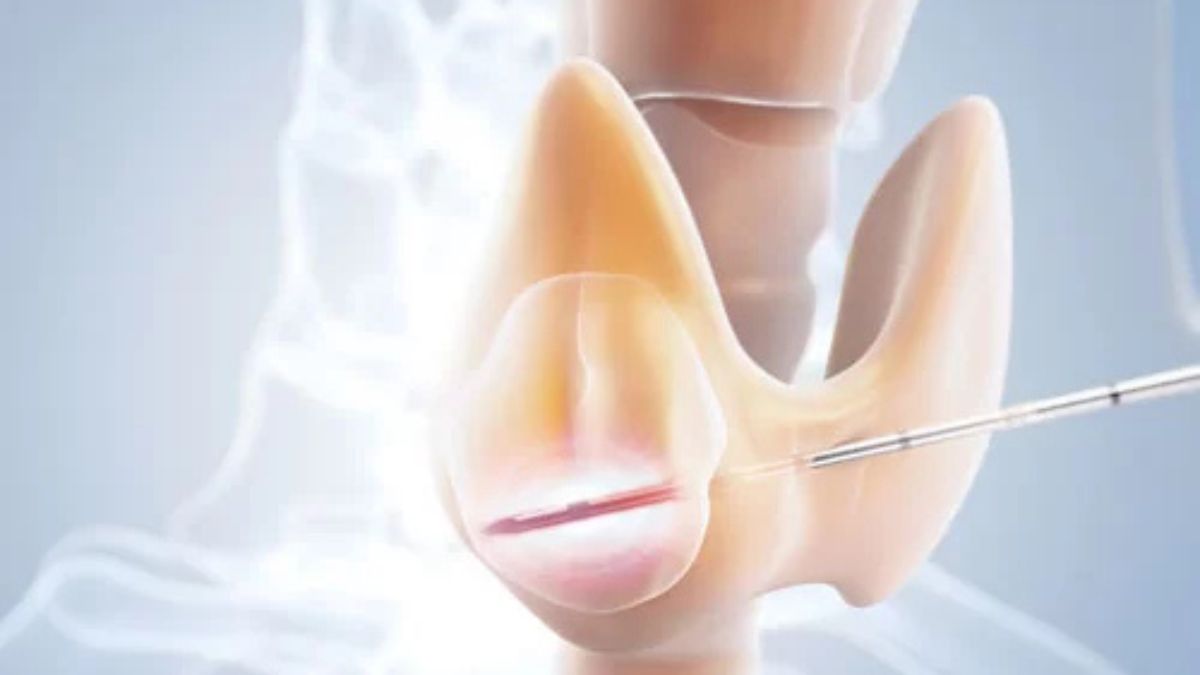
Thyroid nodules are a common clinical finding, and while most are benign, they can cause discomfort, aesthetic concerns, or, in rare cases, indicate malignancy. In Singapore, the rise of routine health screenings has led to increased detection of thyroid nodules, and patients are often concerned about invasive surgery, scarring, and recovery time. Fortunately, minimally invasive thyroid nodule treatments offer effective alternatives that reduce downtime while delivering precise outcomes.
As an endocrinologist practicing in Singapore, I frequently see patients seeking guidance on safe and efficient nodule management. Understanding the range of treatment options, their benefits, and limitations is crucial for making informed decisions.
Understanding Thyroid Nodules
A thyroid nodule is a growth or lump in the thyroid gland, located in the neck just below the Adam’s apple. Nodules vary in size, composition, and clinical significance. They may be solid or fluid-filled (cystic) and can present as a single nodule or multiple nodules. While the majority are benign, features such as rapid growth, suspicious ultrasound characteristics, or abnormal lab results warrant further investigation.
Patients often experience anxiety upon discovery of a nodule. The first step is a thorough evaluation, including physical examination, thyroid function tests, and imaging studies such as ultrasound. This assessment guides the choice of treatment, from observation to minimally invasive interventions.
For patients seeking thyroid nodule treatment Singapore, it’s important to understand that not all nodules require surgery. Many can be managed effectively with targeted, minimally invasive procedures that preserve thyroid function and minimize complications.
When Minimally Invasive Treatments Are Appropriate
Minimally invasive interventions are typically recommended for:
- Symptomatic benign nodules causing discomfort, difficulty swallowing, or breathing issues.
- Cystic or predominantly cystic nodules that recur after aspiration.
- Nodules with cosmetic concerns, particularly when located in the visible areas of the neck.
- Patients wishing to avoid conventional surgery or those unsuitable for general anesthesia.
The decision depends on nodule size, type, symptoms, and patient preference. In Singapore, advanced imaging and procedural techniques allow endocrinologists to tailor treatment plans safely and effectively.
Common Minimally Invasive Treatments
1. Ultrasound-Guided Fine Needle Aspiration (FNA)
FNA is both a diagnostic and therapeutic tool. A thin needle is used under ultrasound guidance to extract cells from the nodule for cytological examination. While primarily diagnostic, FNA can also provide temporary relief for cystic nodules by aspirating fluid, reducing nodule size and pressure symptoms.
2. Radiofrequency Ablation (RFA)
Radiofrequency ablation is a cutting-edge technique widely used in Singapore. RFA delivers thermal energy through a thin electrode inserted into the nodule under ultrasound guidance, causing controlled tissue destruction. Over weeks to months, the treated nodule shrinks significantly, alleviating symptoms without the need for surgical removal.
RFA is particularly effective for solid and mixed nodules. Advantages include:
- Preservation of normal thyroid tissue.
- Minimal scarring, as the procedure is performed percutaneously.
- Short recovery time, often allowing patients to resume daily activities immediately.
3. Laser Ablation
Laser ablation uses focused light energy to coagulate nodule tissue. Similar to RFA, it is performed under ultrasound guidance and is suitable for nodules causing cosmetic or functional concerns. Laser ablation provides precise control over the treated area, minimizing damage to surrounding tissue.
4. Ethanol Ablation (Ethanol Injection)
Ethanol ablation involves injecting concentrated alcohol into cystic or predominantly cystic nodules, inducing fibrosis and shrinkage. This approach is highly effective for recurrent cysts and is minimally invasive, performed under local anesthesia in an outpatient setting.
5. High-Intensity Focused Ultrasound (HIFU)
HIFU is an emerging non-invasive technique that uses focused ultrasound energy to heat and destroy nodule tissue without any needle puncture. While still less common than RFA or laser ablation, HIFU is ideal for patients who prefer completely non-invasive treatment.
Advantages of Minimally Invasive Treatments
Minimally invasive interventions offer several benefits over conventional surgery:
- Reduced Recovery Time: Most patients can return to normal activities within a day or two.
- Preservation of Thyroid Function: Unlike surgery, which may require partial or total thyroid removal, these treatments preserve healthy tissue.
- Minimal Scarring: Small puncture sites or no incisions reduce visible scarring.
- Lower Risk of Complications: There is reduced risk of nerve injury, infection, and bleeding compared to open surgery.
Patient Considerations and Follow-Up
Although minimally invasive procedures are highly effective, patients should understand that results may vary depending on nodule size and type. Repeat treatments may occasionally be required, especially for larger nodules.
Regular follow-up includes ultrasound monitoring and thyroid function tests to ensure the nodule shrinks appropriately and to detect any new growth. In Singapore, clinics offering these treatments often provide comprehensive follow-up care, ensuring patient safety and long-term outcomes.
Lifestyle and Supportive Measures
While medical intervention is the cornerstone of treatment, supportive measures can enhance outcomes:
- Maintaining a balanced diet rich in iodine, vitamins, and minerals to support thyroid health.
- Avoiding excessive neck trauma or strain.
- Monitoring for symptoms such as neck swelling, voice changes, or difficulty swallowing.
Educating patients about their condition and providing reassurance are integral to successful management. Many patients experience anxiety upon nodule detection, and clear communication about treatment options, benefits, and risks can alleviate concerns.
Choosing a Specialist in Singapore
Selecting an experienced endocrinologist or thyroid specialist is critical. Clinics that specialize in thyroid care offer advanced diagnostic tools, procedural expertise, and personalized treatment plans.
For patients seeking thyroid nodule treatment in Singapore, it’s important to choose a provider who can assess whether minimally invasive techniques are appropriate and who can guide you through every step of the process.
Conclusion
Minimally invasive thyroid nodule treatments provide effective, safe, and cosmetically favorable alternatives to conventional surgery. In Singapore, advancements such as RFA, laser ablation, ethanol injection, and HIFU have revolutionized care, allowing patients to address nodules efficiently while minimizing downtime and preserving thyroid function.
Ultimately, early detection, proper evaluation, and individualized treatment planning are key to optimal outcomes. With expert guidance and minimally invasive interventions, patients can manage thyroid nodules confidently, achieving both functional and aesthetic satisfaction.
-

 TECHNOLOGY1 year ago
Top 10 Must-Read Stories from Kristen Archives You Can’t Miss
-

 TECHNOLOGY2 years ago
Sky Bri Net Worth Revealed: How She Built Her Financial Empire
-

 BEAUTY2 years ago
Revitalize Your Hair with Oribe Hair Care for Damaged Hair: Style It with Blue Dresses for Weddings and Events
-

 TOPIC2 years ago
Basement Renovation Contractors: How They Tackle Structural Issues During Renovations
-

 TOPIC1 year ago
5 Reasons the //Vital-Mag.Net Blog Dominates Lifestyle
-
TOPIC2 years ago
Should You Move from Thousand Oaks CA to Los Angeles?
-

 TOPIC2 years ago
Moving To Irvine: Tips For A Smooth Transition To Orange County
-

 TOPIC2 years ago
Things To Know Before Moving To Burlingame, CA