
BUSINESS
Five Surveying: Technologies Transforming the Industry Today

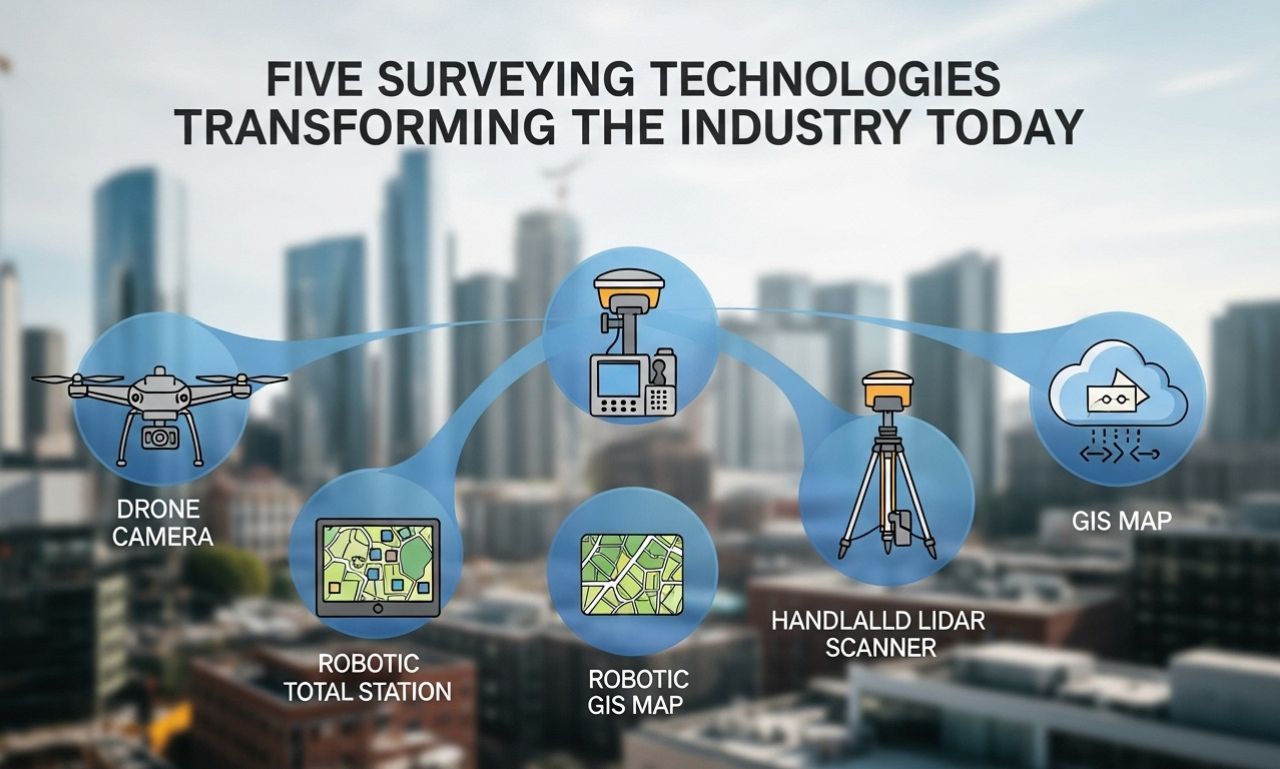
Surveying is an essential foundation of modern construction, land development, and environmental management. It’s the science that helps define boundaries, assess land features, and ultimately guide the projects shaping our communities. As we navigate through this evolving landscape, five surveying methodologies stand out for their ability to revolutionize how we gather data and visualize information.
These methods not only enhance accuracy but also streamline processes in ways traditional techniques simply cannot match. With technology advancing at a rapid pace, surveyors are equipped with innovative tools that change the game entirely. Join us as we delve into these transformative technologies reshaping the surveying industry today!
What is Five Surveying?
Five Surveying refers to the integration of five key technologies that are revolutionizing the surveying industry. It combines cutting-edge tools and innovative methods, enhancing accuracy and efficiency in data collection.
This approach encompasses 3D laser scanning, drones for aerial mapping, GPS technology, geographic information systems (GIS), and virtual/augmented reality applications. Each component plays a crucial role in transforming traditional practices into modern solutions.
Surveyors now leverage these advanced techniques to capture precise measurements from various perspectives. The synergy among these technologies allows professionals to tackle complex projects with greater ease.
As industries evolve, Five Surveying stands at the forefront of innovation. Its impact is not only felt by surveyors but also across construction, urban planning, and environmental monitoring sectors.
Traditional Surveying Methods
Traditional surveying methods have been the backbone of land measurement for centuries. Techniques such as triangulation and leveling form the foundation of accurate data collection.
Triangulation involves creating a network of triangles to determine distances and angles between points. Surveyors measure these angles with precision instruments, allowing them to calculate locations accurately.
Leveling is another essential method that determines elevation differences across a landscape. This technique ensures constructions meet required height specifications while maintaining horizontal alignment.
Both approaches rely heavily on manual calculations and physical tools like theodolites and measuring tapes. While effective, they can be time-consuming and prone to human error.
Surveying teams often spent long hours in the field, ensuring every detail was accounted for before any development could begin. Despite their limitations, traditional methods laid the groundwork for modern advancements in surveying technology.
The Rise of Technology in Surveying
The surveying landscape has undergone a significant transformation in recent years. Traditional methods, while reliable, often lacked speed and precision. Enter technology, which has revolutionized how surveyors operate.
Innovations have streamlined workflows and enhanced accuracy. Advanced tools now allow professionals to collect data faster than ever before. This shift has not only improved efficiency but also reduced human error.
Surveying is no longer confined to the ground level. With cutting-edge technologies like drones, data acquisition can happen from the sky, providing unique perspectives that traditional techniques simply cannot match.
The integration of software solutions further complements these advancements. Data management systems enable seamless analysis and visualization of complex information sets. As technology continues to evolve, so too does the potential for more effective surveying practices across various industries.
3D Laser Scanning
3D laser scanning is revolutionizing the field of surveying. This technology captures detailed, high-resolution images of physical spaces in a fraction of the time it takes traditional methods.
Using lasers, surveyors can create a precise 3D model of an area or structure. These scans generate millions of data points that contribute to an accurate representation.
The benefits are immense: reduced labor costs, faster project timelines, and decreased risk for human error. The level of detail produced allows for enhanced planning and design processes.
Moreover, these models are invaluable for future maintenance and renovations. They provide a comprehensive view that aids decision-making long after the initial scan has been completed.
As industries become more reliant on visual data, 3D laser scanning continues to set new standards in accuracy and efficiency within surveying practices.
Drones and Aerial Mapping
Drones have revolutionized the world of surveying and mapping. These unmanned aerial vehicles can cover vast areas in a fraction of the time it would take traditional methods.
Equipped with high-resolution cameras, drones capture detailed images from various angles. This allows surveyors to create accurate topographical maps and 3D models effortlessly.
Furthermore, drones provide real-time data collection. Surveyors can analyze terrain conditions almost instantly, making on-site decisions quicker and more informed.
The ability to access hard-to-reach locations is another significant advantage. Drones navigate challenging landscapes without putting personnel at risk.
With advancements in technology, drone capabilities continue to expand. They are now integrated with software that processes data efficiently for enhanced visualization and analysis.
As industries embrace this innovation, aerial mapping through drones becomes an essential tool for precision and efficiency in surveying projects across the globe.
GPS and GIS Applications
GPS and GIS technologies have revolutionized the surveying landscape. They provide precise location data that enhances decision-making processes across various industries.
Global Positioning Systems (GPS) allow surveyors to pinpoint exact coordinates with remarkable accuracy. This capability is essential for tasks like land division, construction planning, and environmental assessments.
Geographic Information Systems (GIS), on the other hand, enable users to analyze spatial data visually. By layering multiple datasets—such as topography, zoning regulations, and infrastructure—professionals can gain valuable insights into a project’s feasibility.
Combining GPS with GIS creates powerful synergies. Surveyors can collect real-time data while visualizing it in a user-friendly format. The result? Faster analyses leading to well-informed decisions that save time and resources in surveying projects.
These advancements not only streamline workflows but also enhance collaboration among stakeholders involved in development projects or urban planning initiatives.
Virtual and Augmented Reality in Surveying
Virtual and augmented reality (VR and AR) are making waves in the surveying industry. These technologies enhance how professionals visualize data. Instead of interpreting 2D maps, surveyors can immerse themselves in 3D environments.
With VR, users can walk through virtual landscapes before any physical work begins. This allows for better planning and design decisions. Surveyors can identify potential issues early on, saving time and resources.
AR takes this a step further by overlaying digital information onto the real world. For instance, while on-site, surveyors can view property lines or underground utilities as they look at their surroundings through an AR device. This blend of digital and physical spaces improves accuracy significantly.
The integration of VR and AR not only boosts efficiency but also enhances collaboration among teams. Stakeholders can explore projects together without being physically present at the site—an invaluable tool for remote discussions or presentations.
Advantages and Challenges of Using Technology in Surveying
The integration of technology in surveying brings numerous advantages. First, accuracy is significantly improved. Tools like 3D laser scanning capture precise data, reducing human error.
Efficiency also sees a boost. Drones can cover large areas quickly, providing real-time insights that traditional methods cannot match.
However, challenges accompany these benefits. High costs for advanced equipment may limit access for smaller firms. The learning curve associated with new technologies can be steep and time-consuming.
Additionally, reliance on technology raises concerns about data security and privacy. With vast amounts of information collected digitally, safeguarding this data becomes paramount.
Surveying professionals must balance the use of cutting-edge tools while remaining grounded in foundational skills to navigate these complexities effectively.
Future of Surveying with Advancements in Technology
The future of surveying is poised for remarkable transformations, driven by rapid technological advancements. As industries evolve, so too does the need for precision and efficiency in land measurement.
Emerging technologies like artificial intelligence are set to revolutionize data processing. Automated systems will analyze vast amounts of information faster than ever before. This means more accurate results with less human error.
Moreover, improvements in machine learning algorithms will enhance predictive analytics. Surveyors can anticipate challenges before they arise, mitigating risks on projects effectively.
Sustainability also plays a crucial role. Innovations aim to reduce environmental impact through eco-friendly practices and materials.
As collaboration becomes increasingly digital, remote access tools are reshaping workflows. Team members can connect from anywhere in the world, fostering real-time communication and decision-making.
With these advancements on the horizon, surveying is entering an exciting era that emphasizes precision and adaptability.
Conclusion
The landscape of surveying is rapidly evolving, driven by innovative technologies that enhance efficiency and accuracy. Five surveying methods stand at the forefront of this transformation, offering a glimpse into the future of the industry.
From traditional techniques to advanced tools like 3D laser scanning and drones, each method brings unique advantages. As these technologies become more integrated into everyday practices, they not only streamline processes but also open new avenues for data collection and analysis.
Emerging applications in GPS and GIS further illustrate how technology reshapes our understanding of geographical landscapes. Virtual and augmented reality are adding layers of interaction previously unseen in surveying work.
However, with every advancement come challenges that professionals must navigate. Balancing cutting-edge technology with practical implementation requires ongoing education and adaptation within the workforce.
As we look ahead, it’s clear that five surveying will continue to redefine standards. The synergy between man and machine promises an exciting future where precision meets creativity in shaping our built environment. Embracing these advancements will be crucial for those wishing to stay relevant in this dynamic field.

Introduction to Öbversätt – what it is and how it works
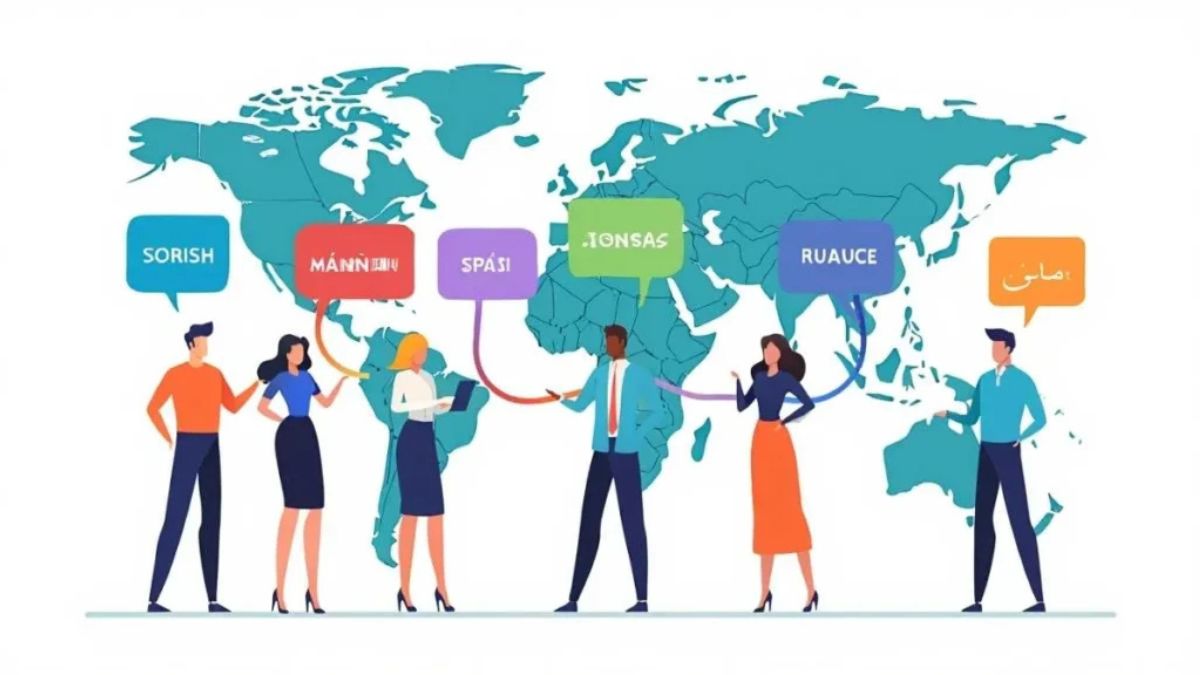
In a world that’s becoming increasingly interconnected, the need for effective communication across language barriers is more critical than ever. Enter Öbversätt—a cutting-edge translation tool designed to bridge gaps and foster understanding among diverse cultures. With its intuitive interface and powerful capabilities, Öbversätt has quickly gained popularity among individuals and businesses alike. But what sets it apart from other translation services? How does it truly work in real-world scenarios? Join us as we embark on a deep dive into user experiences, success stories, and the myriad of benefits that come with using Öbversätt for all your language translation needs. Whether you’re a traveler exploring new destinations or a business aiming to expand globally, this exploration promises insights that could transform the way you communicate across languages.
User Experiences with Öbversätt – real stories from satisfied users
Users have shared remarkable experiences with Öbversätt, highlighting its efficiency and accuracy. One customer recounted how a last-minute translation request for business documents was completed swiftly, allowing them to make an important presentation without delay.
Another user expressed gratitude for the app’s intuitive interface. With just a few taps, they managed to communicate effectively during their travels in Sweden. The ability to translate signs and menus significantly enhanced their experience.
A freelance writer noted that Öbversätt helped bridge language barriers while collaborating with international clients. They appreciated the tool’s contextual understanding, ensuring that nuances weren’t lost in translation.
The positive feedback is consistent; many users emphasize how it has transformed both personal interactions and professional communications. These real stories reflect the growing impact of Öbversätt on everyday life across different cultures and languages.
Success Stories of businesses and individuals who have used Öbversätt
Businesses across various sectors have experienced remarkable transformations thanks to Öbversätt. A small e-commerce store specializing in handmade crafts was able to expand its reach internationally. By utilizing Öbversätt, they effectively communicated with customers in multiple languages, significantly increasing their sales.
Freelancers also found success using this translation tool. A graphic designer from Spain collaborated with clients in France and Germany without language barriers. Öbversätt allowed for seamless communication, leading to repeat business and referrals.
Educational institutions are not left behind either. A university utilized the platform to translate course materials into different languages. This effort attracted a diverse student body, enhancing the learning environment for all.
These stories reflect how Öbversätt is more than just a translation service; it’s a bridge that connects cultures and drives growth.
Benefits of using Öbversätt for language translation
Öbversätt revolutionizes the way we approach language translation. With its user-friendly interface, it allows anyone to translate text effortlessly. You don’t need to be a linguistic expert to navigate through the platform.
Speed is another significant advantage. Users can receive translations in real-time, making it perfect for urgent communications or deadlines. This immediacy enhances productivity and helps maintain fluid conversations across various languages.
Quality matters too. Öbversätt employs advanced algorithms that ensure accuracy while capturing nuances of different languages. This attention to detail minimizes misunderstandings and promotes clearer interactions.
Accessibility is crucial in today’s global landscape. Öbversätt supports numerous languages, catering to diverse audiences worldwide. Whether for personal use or business needs, it opens doors by bridging language gaps.
Cost-effectiveness adds value for users looking for reliable translations without breaking the bank. It provides an efficient solution tailored to varying budgets and requirements.
How to get started with Öbversätt
Getting started with Öbversätt is a breeze. First, visit their official website to create an account. The registration process is straightforward and only takes a few minutes.
Once you’ve signed up, explore the user-friendly interface. It’s designed for everyone, whether you’re a tech whiz or just beginning your journey in translation.
Next, upload the documents or text that require translation. You can choose from various formats like PDFs and Word files.
After uploading, select your desired languages for translation. Öbversätt supports multiple language pairs to cater to diverse needs.
Hit the translate button and watch as magic happens in real-time! You’ll receive high-quality translations quickly without compromising on accuracy or context.
Tips and tricks for maximizing the use of Öbversätt
To get the most out of Öbversätt, start by familiarizing yourself with its interface. A solid understanding of features can boost your efficiency.
Leverage the custom glossary feature. By adding specific terms relevant to your industry, you ensure that translations resonate with your audience.
Don’t hesitate to experiment with different translation styles. Whether formal or conversational, adjusting settings can yield more personalized results.
Utilize feedback loops. After receiving a translation, take a moment to refine it based on context and tone before sharing it widely.
Stay updated on new features and updates from Öbversätt. The platform continually evolves and adapting to these changes can enhance your experience significantly.
Conclusion and future of translation technology
The landscape of translation technology is evolving rapidly. Öbversätt stands at the forefront, offering innovative solutions that simplify communication across languages. The user experiences and success stories illustrate its impact on both individuals and businesses alike.
As we look ahead, it’s clear that tools like Öbversätt will continue to shape how we connect globally. With advancements in artificial intelligence and machine learning, translations will become even more nuanced and contextually relevant. This means fewer lost nuances in conversation and a greater understanding among people from different backgrounds.
Embracing these technologies not only enhances personal interactions but also opens doors for international business opportunities. As more users discover the benefits of efficient language translation through Öbversätt, it’s exciting to envision what the future holds for global communication.
For now, those who harness this tool can expect a seamless experience with their multilingual needs while contributing to an increasingly interconnected world where language barriers are diminished. The journey has just begun; staying updated with such innovations could be key to thriving in this ever-evolving digital age.
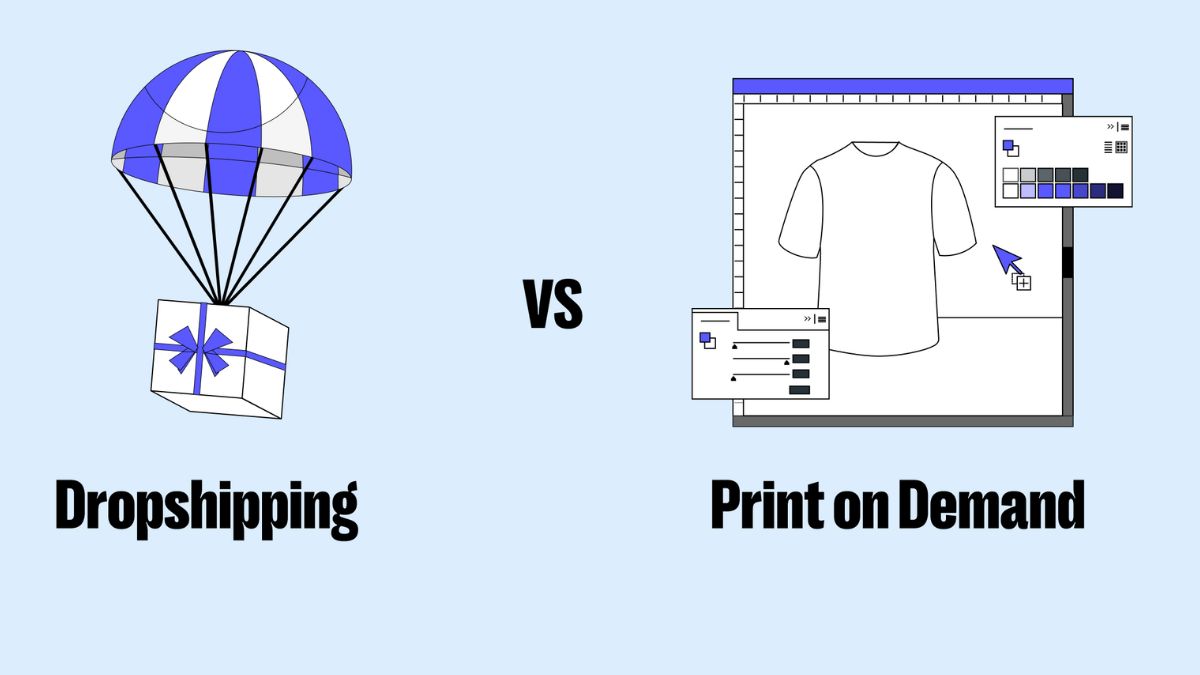
Two of the most popular models that entrepreneurs often consider are Print on Demand (POD) and Dropshipping. Both allow you to start an online store without holding inventory, but they operate in very different ways. This blog will compare the two models in terms of their advantages, challenges, and suitability for various business types. By the end, you’ll have a better understanding of which model aligns best with your business goals and resources.
What is Print on Demand?
Print on Demand (POD) is a business model that allows you to create and sell customized products without the need to invest in bulk inventory. When a customer makes a purchase, the product is manufactured, printed, and shipped directly to the customer by a third-party supplier. This makes it an ideal model for those starting a print on demand business.
POD works for products like clothing, posters, mugs, phone cases, and other customizable items. The key feature of POD is that it allows you to offer a wide range of products that can be tailored to your customers’ preferences without upfront costs. For example, you can sell custom t-shirts with unique designs, personalized mugs, or even limited-edition artwork on canvas.
The main advantage of POD is that you don’t have to worry about managing inventory, and you don’t need to purchase products in bulk. This significantly lowers the upfront costs and risks of running an eCommerce store. However, POD does have its challenges. The per-unit cost of POD products is generally higher compared to bulk purchases, and shipping times can be longer. As you rely on third-party suppliers to fulfill orders, there is also less control over product quality and delivery times, which can affect customer satisfaction.
What is Dropshipping?
Dropshipping is another popular eCommerce model that allows you to sell products without holding inventory. The process is relatively simple: when a customer places an order, the seller forwards the order details to the supplier, who then ships the product directly to the customer.
Unlike POD, which typically focuses on personalized or custom products, dropshipping often involves standardized, mass-produced items. These could range from consumer electronics and home goods to fashion accessories and beauty products. Since you don’t manage the stock, your main job is marketing the products and processing orders.
Dropshipping’s biggest advantage is the low upfront costs. You don’t need to purchase products in bulk or maintain a warehouse, and you can scale your store easily by adding more products to your catalog without worrying about storage. However, there are downsides. Since you rely on suppliers for inventory and fulfillment, you can’t guarantee product quality or timely shipping. Additionally, dropshipping tends to have lower profit margins compared to other eCommerce models, as products are usually sold at a standard price with little room for customization or markup.
Print on Demand vs Dropshipping
Now that we’ve explored both Print on Demand and Dropshipping, let’s break down which model might be right for your specific business goals, market, and budget.
Market Demand
If your target audience is looking for personalized or unique items, Print on Demand is an ideal choice. POD works well for niches that value customization, such as custom hats, T-shirts, or mugs. For example, selling personalized wedding gifts or custom-designed shirts for sports teams can be highly profitable in a POD business.
On the other hand, if you’re looking to tap into a broader market with mass-produced products like electronics, home goods, or beauty supplies, dropshipping might be the better option. Dropshipping allows you to sell a wide range of items quickly and efficiently, without the need for complex customization.
Business Scale and Budget
Your available budget will heavily influence which model works best for you. Print on Demand is suitable for businesses of various sizes, but it does require a degree of flexibility and investment, especially if you plan to scale quickly. While you won’t need to invest in bulk inventory, the higher per-unit costs can add up, especially if your customer base grows rapidly.
Dropshipping, on the other hand, is the better choice for businesses with a smaller budget or those just starting out. Since there is no need to purchase inventory upfront, dropshipping is one of the most cost-effective ways to enter the eCommerce world. The downside is that while it’s easy to start, the low profit margins and reliance on suppliers can present challenges as your business grows.
Profit Potential
One of the key differences between POD and dropshipping lies in profit margins. In Print on Demand, each item tends to be more expensive to produce, but you can price products higher due to their uniqueness and customization. For instance, a custom t-shirt or a personalized mug can be sold for a premium, which allows you to generate higher profits per sale. However, because the per-unit cost is higher, you may need to sell more items to achieve significant profits.
In contrast, dropshipping typically has lower profit margins. Since you’re selling mass-produced items, the price is usually set by the supplier, leaving little room for you to mark up the products. While you can sell a larger volume of products, you’ll need to rely on generating high sales numbers to make a substantial profit.
POD vs Dropshipping: Pros and Cons Comparison
Print on Demand Pros
The biggest advantage of Print on Demand is the ability to offer highly customized products, which can help build a unique brand and attract a dedicated customer base. You don’t need to deal with inventory, which reduces the risks associated with unsold stock. Moreover, the flexibility of offering different designs and products allows you to experiment and find what resonates with your audience.
Print on Demand Cons
However, Print on Demand comes with some drawbacks. The biggest challenge is the higher cost per unit, which reduces your profit margins. Additionally, because you rely on a third-party supplier for fulfillment, you have less control over shipping times and product quality, which can affect customer satisfaction. Finally, POD businesses can face competition from other sellers offering similar products, making it harder to stand out.
Dropshipping Pros
Dropshipping’s main advantage is the low startup cost and the ability to scale quickly. You can list hundreds or even thousands of products without worrying about managing inventory. This makes it an attractive option for entrepreneurs who want to get into eCommerce without committing large amounts of capital. Dropshipping also allows you to test different products and niches with minimal financial risk.
Dropshipping Cons
The major drawback of dropshipping is the low profit margin. Since you are selling products at a fixed price set by the supplier, you won’t have as much flexibility to increase your profit margins. Additionally, dropshipping can be highly competitive, with many sellers offering similar products. Since you have no control over the product quality or shipping times, poor customer experiences can damage your brand reputation.
How to Choose the Right eCommerce Model for Your Business
Choosing between Print on Demand and Dropshipping depends on several factors, including your budget, the products you want to sell, and your long-term business goals.
If you’re aiming for a personalized and unique brand with the potential for higher profit margins, POD is the way to go. It’s perfect for businesses that cater to specific niches where customization is highly valued.
If you want to start an eCommerce business with low upfront costs and a broad range of products, dropshipping might be the better option. It’s a great choice for those looking to scale quickly and test multiple products without financial risk.
Ultimately, you may even find that combining both models can work for your business. For example, you could start with dropshipping to build your customer base and then introduce POD products as your brand grows, allowing you to offer a more personalized experience.
Conclusion
Both Print on Demand and Dropshipping are excellent models for entrepreneurs looking to start an eCommerce business without holding inventory. Each has its own advantages and challenges, so choosing the right model depends on your business goals, niche, and available resources. By understanding the pros and cons of each model, you’ll be able to make an informed decision that aligns with your vision and sets you up for success.
FAQs
Which model is more profitable: Print on Demand or Dropshipping?
Print on Demand can be more profitable per unit because of the ability to charge higher prices for customized products. However, dropshipping might be better for businesses aiming for large volumes of sales with lower profit margins.
Is Print on Demand suitable for mass production?
Print on Demand is not ideal for mass production. It works best for businesses offering small batches of customized or personalized products.
How can I switch from POD to Dropshipping or vice versa?
If you start with one model and decide it’s not the best fit, you can always transition. However, this may require changes to your website, product listings, and supplier relationships.
Which model is better for selling personalized items?
Print on Demand is specifically designed for selling personalized and custom products, making it the ideal choice for businesses that want to offer unique items.

Introduction to TBPAC Tampa
Step into the vibrant world of TBPAC Tampa, where art, culture, and community collide in a spectacular fashion. Nestled in the heart of downtown Tampa, this performing arts center is more than just a venue; it’s a hub of creativity that brings people together through unforgettable performances and events. But what does it take to keep this dynamic institution running smoothly? Join us as we pull back the curtain and reveal a day in the life at TBPAC Tampa. From dedicated staff members to behind-the-scenes magic, discover how this cultural cornerstone impacts our community and nurtures local talent. Are you ready for an insider’s look? Let’s dive deeper!
History and Mission of TBPAC
TBPAC Tampa, or the Straz Center for the Performing Arts as it’s formally known, has a rich history that dates back to its opening in 1987. Nestled along the banks of the Hillsborough River, this cultural gem was designed to be a vibrant hub for performing arts in Florida.
The mission of TBPAC is clear: to enrich lives through extraordinary experiences in music, theater, and dance. It aims not just to entertain but also to educate and inspire audiences of all ages.
Over the years, TBPAC has hosted countless productions from Broadway hits to classical performances. Its commitment extends beyond mere entertainment; fostering creativity within the community remains at its core. The center embraces diversity by showcasing local talent alongside international acts, creating an inclusive atmosphere where everyone can thrive artistically.
The People Behind the Scenes: Meet the Staff
Behind the glamor of TBPAC Tampa lies a dedicated team. Each member plays a crucial role in bringing performances to life.
Meet the stage manager, who orchestrates every show with precision. Their keen eye ensures that set changes happen seamlessly, making magic happen behind closed curtains.
The lighting designer brings creativity and innovation. They use their artistic vision to create moods that captivate audiences from the very first moment.
Then there’s the box office staff, welcoming patrons with warm smiles. They handle ticket sales while providing insights into upcoming events and performances.
Administrative personnel work tirelessly behind desks, managing schedules and coordinating logistics. Their efforts keep everything running smoothly at TBPAC Tampa.
Each person contributes uniquely to this vibrant ecosystem. Together, they form an unstoppable force that makes every performance memorable for everyone involved.
A Day in the Life of TBPAC Tampa: Behind the Curtains
As the sun rises over Tampa, the hustle and bustle of TBPAC begins. Early morning brings a symphony of sounds—crews setting up stages, lights flickering to life, and musicians warming up.
Backstage is alive with energy. The production team collaborates on last-minute adjustments while actors rehearse lines just before their performance. There’s an electric anticipation in the air.
The box office staff greets eager patrons as they arrive, ready to assist with smiles and helpful tips about the evening’s show. Each ticket sold represents not just a seat filled but a connection made between artists and audiences.
Throughout the day, maintenance teams ensure that every corner shines brightly for visitors. Their work often goes unnoticed but is crucial for creating memorable experiences at TBPAC.
Each role contributes to the magic that unfolds nightly—a delicate dance behind the curtains where passion and precision intertwine seamlessly.
The Challenges and Rewards of Working at TBPAC Tampa
Working at TBPAC Tampa presents a unique blend of challenges and rewards. The fast-paced environment keeps staff on their toes, especially during peak performance seasons. With countless events lined up, coordinating logistics can be daunting.
Communication is key here. Staff members must collaborate seamlessly to ensure every show runs smoothly. This often means long hours and quick problem-solving under pressure.
Yet the rewards are palpable. Each successful event brings an exhilarating sense of accomplishment. Seeing audiences captivated by performances makes all the effort worthwhile.
The camaraderie among team members adds to the experience as well. Together, they celebrate successes and navigate hurdles, creating lasting bonds in the process.
Being part of TBPAC Tampa means contributing to something greater—bringing art and culture to life for the community while facing both obstacles and triumphs along the way.
Upcoming Events and Performances at TBPAC Tampa
TBPAC Tampa is buzzing with excitement as a stellar lineup of events and performances approaches. From mesmerizing Broadway shows to captivating concerts, the stage is set for unforgettable experiences.
This season’s highlights include renowned musicals that promise to dazzle audiences. Local talent will also shine through various community showcases, offering residents a chance to connect with the arts.
Music lovers can look forward to live performances from celebrated artists across genres. Whether you enjoy rock, jazz, or classical melodies, there’s something for everyone on the calendar.
Additionally, family-friendly events will engage younger audiences and spark their creativity. These programs aim to inspire future generations of artists and performers right here in Tampa Bay.
With so much happening at TBPAC Tampa, it’s no wonder ticket sales are flying fast. Be sure not to miss out on these incredible opportunities!
Conclusion: The Impact of TBPAC on the Community
TBPAC Tampa plays a pivotal role in the local community. It serves as a cultural hub, bringing people together through various forms of art and entertainment. The center not only hosts performances but also engages with schools and community groups, fostering appreciation for the arts among all ages.
The impact extends beyond just providing entertainment. TBPAC nurtures talent by offering educational programs that inspire young artists and performers. By creating opportunities for collaboration between artists and audiences, it enriches the cultural landscape of Tampa.
As new events roll out regularly, there’s always something fresh to experience at TBPAC Tampa. It remains dedicated to enhancing community life while supporting local artists. The commitment to accessible art ensures everyone can find joy in what they offer.
TBPAC is more than just a venue; it’s an essential part of the fabric of Tampa’s vibrant artistic scene that continues to grow and evolve with each passing year.
-

 TECHNOLOGY9 months ago
Top 10 Must-Read Stories from Kristen Archives You Can’t Miss
-

 TECHNOLOGY1 year ago
Sky Bri Net Worth Revealed: How She Built Her Financial Empire
-

 TOPIC1 year ago
Basement Renovation Contractors: How They Tackle Structural Issues During Renovations
-

 TOPIC11 months ago
5 Reasons the //Vital-Mag.Net Blog Dominates Lifestyle
-

 BEAUTY1 year ago
Revitalize Your Hair with Oribe Hair Care for Damaged Hair: Style It with Blue Dresses for Weddings and Events
-

 TOPIC9 months ago
Top 10 Articles from the ://Vital-Mag.net Blog That You Can’t Miss
-

 CRYPTO1 year ago
Crypto30x.com Review: Is It the Right Platform for You?
-

 BUSINESS9 months ago
TraceLoans Explained What You Need to Know