
TECHNOLOGY
How Refresh Rate Impacts Your Portable Monitor Experience (60Hz vs 120Hz vs 144Hz)

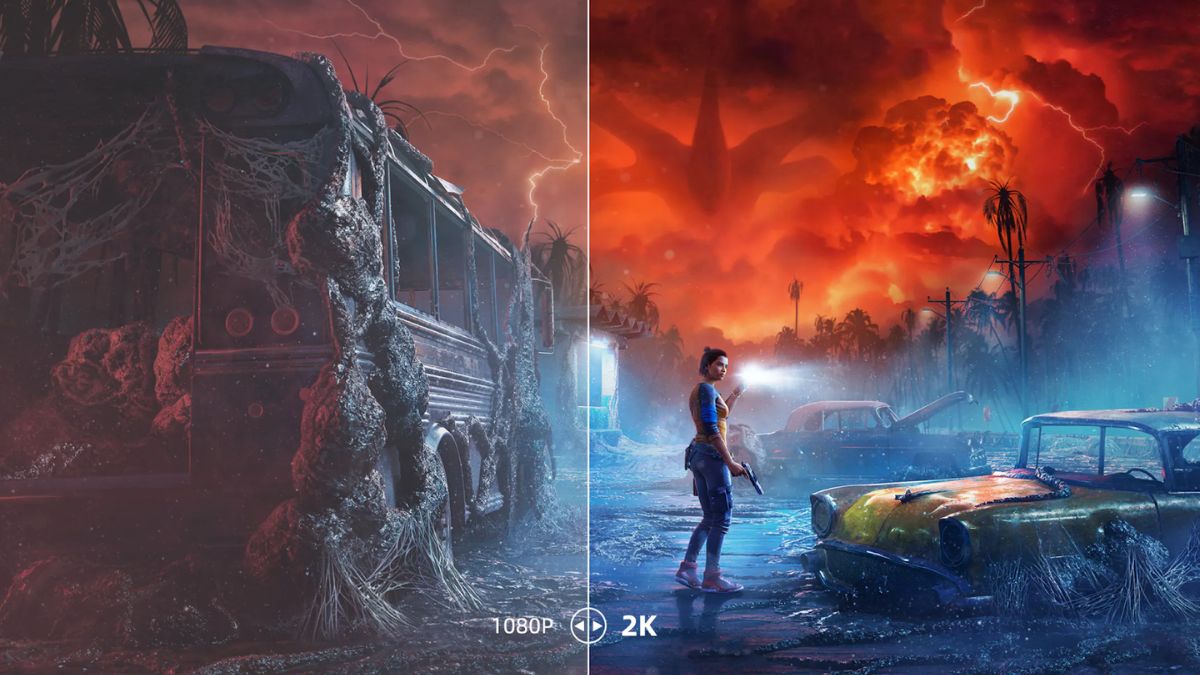
When you’re choosing a portable monitor, one of the most important features to look at is the refresh rate. The refresh rate affects how smooth motion looks on the screen, how fast your inputs feel, and even how comfortable your eyes are during long sessions. Whether you’re gaming, streaming, or working, the difference between 60Hz, 120Hz, and 144Hz is noticeable.
This guide explains what refresh rate means, how it impacts your experience, and which refresh rate is best for your needs. We’ll also compare popular portable monitors so you can make a smart choice.
What Does Refresh Rate Mean?
The refresh rate is how many times per second your screen updates with new images. It’s measured in Hertz (Hz).
- 60Hz = 60 times per second
- 120Hz = 120 times per second
- 144Hz = 144 times per second
A higher refresh rate makes fast motion look smoother and reduces blur. For example, in gaming, higher refresh rates let you see opponents’ movements more clearly and react faster. In everyday use, it simply makes scrolling and animations look smoother.
Why Refresh Rate Matters for Portable Monitors
Portable monitors are designed for flexibility — you can use them with laptops, gaming consoles, or even your phone. But the refresh rate determines how enjoyable that experience is.
Here’s how refresh rate affects different tasks:
- Gaming: Higher refresh rates (120Hz and 144Hz) provide smoother motion, lower input lag, and a competitive edge in fast-paced games.
- Movies and Video: 60Hz is usually fine for watching films or TV shows, since most content is 24–60fps.
- Work and Productivity: A higher refresh rate makes scrolling through documents, editing, or switching between apps feel smoother and easier on the eyes.
- Portable Use: Since portable monitors are smaller and lighter, a higher refresh rate can make them feel more responsive, especially if you’re pairing them with modern laptops or gaming consoles.
Comparing 60Hz vs 120Hz vs 144Hz
Let’s look at how these refresh rates stack up side by side.
| Feature | 60Hz | 120Hz | 144Hz |
| Motion Smoothness | Basic, can look choppy in fast scenes | Much smoother, noticeable upgrade | Ultra-smooth, best for fast motion |
| Input Lag | Higher | Lower | Lowest |
| Gaming Experience | Fine for casual play | Great balance of smoothness and speed | Competitive-level smoothness |
| Eye Comfort | Standard | Better for long use | Best for extended gaming or work |
| Common Use | Office, movies, casual gaming | Gaming, multitasking, everyday use | Esports, competitive gaming, immersive use |
The 60Hz Experience
Most traditional monitors run at 60Hz. If you’ve never used a higher refresh rate display, this will feel normal.
- Pros: Works with any device, affordable, fine for movies and casual use.
- Cons: Looks choppy in fast-moving games, higher input lag, not as smooth for scrolling or productivity.
For someone who just needs a portable screen for presentations, video playback, or light work, 60Hz is enough. But once you’ve experienced higher refresh rates, it’s hard to go back.
The 120Hz Experience
A 120Hz monitor offers a clear upgrade over 60Hz. Motion looks smoother, games feel more responsive, and your eyes experience less strain.
- Pros: Noticeably smoother than 60Hz, great for gaming, better for productivity.
- Cons: Not as fast as 144Hz, but still excellent for most people.
This refresh rate is a sweet spot for portable monitors, especially if you connect it to a gaming console like the PS5 or Xbox Series X, which both support 120Hz output.
The 144Hz Experience
A 144Hz portable monitor gives you the smoothest and fastest experience. It’s designed for gamers and power users who want every advantage.
- Pros: Ultra-smooth motion, lowest input lag, best for competitive gaming.
- Cons: Uses more battery power in portable setups, sometimes overkill for casual use.
If you play fast-paced games like shooters, racing sims, or esports titles, 144Hz makes a noticeable difference. Even outside gaming, the smooth scrolling and crisp animations make everyday use more enjoyable.
Real-World Example: UPERFECT UGame K118 Portable Monitor
One good example of a high-refresh portable monitor is the UPERFECT UGame K118. It’s an 18-inch 2K display with FreeSync support and a 144Hz refresh rate.
Key Highlights:
- 18-inch QHD (2560×1600) resolution for sharp detail.
- 144Hz refresh rate via USB-C, or 120Hz via HDMI.
- FreeSync support to prevent screen tearing.
- Lightweight (1.23kg) for portability.
- 100% DCI-P3 color gamut for accurate colors.
- 9ms response time for fast input reaction.
This kind of monitor shows how refresh rate combines with resolution, portability, and gaming features to create a smooth and flexible experience.
Choosing the Right Refresh Rate for You
So, which refresh rate should you choose? It depends on how you plan to use your portable monitor.
- Pick 60Hz if: You only need it for office work, browsing, movies, or casual use.
Pick 120Hz if: You want smoother performance for gaming, multitasking, or eye comfort but don’t need the absolute fastest option. - Pick 144Hz if: You’re serious about gaming, competitive play, or simply want the smoothest possible experience.
Quick Tips Before You Buy
- Check device compatibility: Some laptops, phones, and consoles may only support 60Hz or 120Hz.
- Consider battery life: Higher refresh rates use more power. If you’re running off a laptop or phone, it can shorten battery runtime.
- Look at resolution too: Refresh rate is important, but resolution and color accuracy also affect your experience.
- Think about ports: HDMI may max out at 120Hz, while USB-C can often push 144Hz.
FAQs About Portable Monitor Refresh Rates
Q: Is 144Hz really better than 120Hz?
Yes, 144Hz is smoother, but the jump from 120Hz to 144Hz is smaller than from 60Hz to 120Hz. Gamers will notice it more than casual users.
Q: Can I use a 144Hz monitor with a console?
Yes, but most consoles max out at 120Hz. A 144Hz monitor can still run at 120Hz when connected.
Q: Does a higher refresh rate drain more battery on portable monitors?
Yes. Running at 120Hz or 144Hz can use more power, especially on laptops and phones. Some monitors let you switch refresh rates to save power.
Q: Do I need a special cable for 144Hz?
Often yes. For 144Hz at high resolutions, use DisplayPort or USB-C. HDMI can work but may be limited to 120Hz depending on the device.
Q: Is 60Hz bad for gaming?
Not at all. 60Hz is fine for casual gaming. But competitive players will notice smoother and faster responses on 120Hz or 144Hz.
Q: Which refresh rate is best for eye comfort?
Higher refresh rates (120Hz and 144Hz) reduce flicker and motion blur, making them easier on your eyes during long sessions.
Q: Are portable monitors with 144Hz worth it?
If you play fast-paced games or value smooth visuals, yes. If you mostly watch movies or use it for work, 60Hz or 120Hz may be enough.
Final Thoughts
Refresh rate has a big impact on how your portable monitor feels in daily use. A 60Hz screen is fine for casual use, but once you try 120Hz or 144Hz, you’ll see how much smoother and more responsive everything feels.
If you want the best balance, a 120Hz monitor is a strong choice for most people. But if you’re aiming for top-tier gaming and performance, a 144Hz portable monitor like the UPERFECT UGame K118 can give you that extra edge.
The right refresh rate depends on your needs, but one thing is clear: once you’ve experienced higher refresh rates, it’s hard to go back.
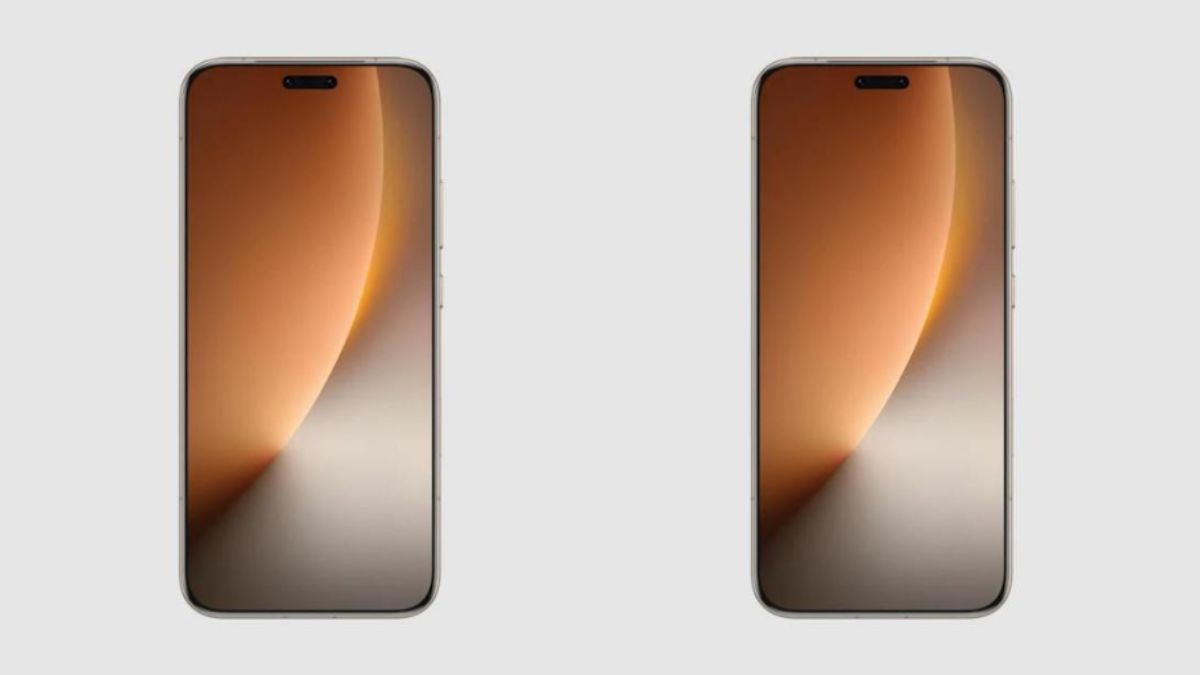
Security often feels abstract until something goes wrong with a phone you rely on every single day. Many people postpone updates because they are busy, worried about storage space, or simply annoyed by repeated reminders. In reality, those small update notifications represent ongoing work to keep your device safe, stable, and useful in daily life. Skipping them may seem harmless at first, but over time, it quietly increases risks that affect your data, finances, and overall phone experience. To clarify why this matters so much, in this article, we explain the real-world reasons regular phone updates are essential and how they protect you long term.
Reason 1: Critical Security Patches
Updates Fix Vulnerabilities Hackers Exploit
Every operating system has weaknesses that are discovered over time, even after a phone is released. Hackers actively search for these flaws and share them within underground communities. When an update is released, it often quietly fixes a specific vulnerability that could be exploited remotely. In everyday terms, installing updates closes digital doors that attackers are trying to force open. Ignoring updates leaves those doors unlocked, even if everything seems normal on the surface. Over months or years, these unpatched gaps can accumulate and significantly increase your exposure to attacks.
Protects Your Personal and Financial Data
Your phone stores far more sensitive information than most people realize. Banking apps, saved passwords, personal photos, and private messages all live in one place. Security updates strengthen how this data is protected behind the scenes. Without them, malicious apps or phishing attacks have a higher chance of success. Regular updates reduce the risk that personal or financial information is stolen without your knowledge. This protection is especially important as mobile payments and digital identities become part of daily routines.
Reason 2: Essential Bug Fixes and Stability
Resolves Annoying Glitches and Crashes
Small software bugs can slowly turn into major frustrations in daily use. You may notice apps freezing, notifications arriving late, or the screen becoming unresponsive at random times. These issues are often already known by developers and addressed in updates. Installing updates replaces unstable code with improved versions. Over time, this leads to a noticeably smoother and more reliable experience. Fewer interruptions also mean less stress when you rely on your phone for work or family communication.
Improves Overall System Performance
Performance problems are not always caused by aging hardware alone. Inefficient software processes can waste system resources and slow everything down. Updates often optimize how memory, storage, and processing power are used. This means apps open faster and multitasking feels smoother. Even older phones can feel more responsive simply by staying up to date. Consistent performance improvements can make a device feel renewed instead of worn out.
Reason 3: New Features and App Compatibility
Unlocks Useful New Tools and Improvements
Updates do more than fix problems; they often add practical features that improve daily life. These can include better privacy controls, smarter battery management, or accessibility improvements. While each feature may seem small, together they significantly enhance usability. Over time, updated phones feel more refined and capable. Skipping updates means missing out on improvements designed to make tasks easier. These refinements often reflect real user feedback gathered over millions of devices.
Ensures Latest Apps Work Properly
App developers design new versions based on the latest system software. If your phone is outdated, apps may stop updating or behave unpredictably. This can affect essential tools like navigation, communication, or work-related apps. In daily use, this creates friction and limits functionality. Keeping your phone updated ensures compatibility with the apps you rely on most. It also reduces the risk of sudden app failures when services update their requirements.
Reason 4: Maximizing Your Phone’s Lifespan
Keeps Your Device Relevant and Secure Longer
Regular updates extend the useful life of a phone by keeping it secure against new threats. This means you can safely use your device for many years without worrying about vulnerabilities. Updated software also adapts the phone to evolving online services. In practical terms, your phone stays useful instead of feeling outdated too quickly. This long-term relevance saves money and reduces frustration. It also allows you to delay making difficult upgrade decisions.
Delays the Need for a Premature Upgrade
Many people replace phones because they feel slow or unreliable, not because the hardware is broken. Software updates often resolve these issues and restore confidence in daily use. By keeping your phone updated, you delay the need to buy a new device. This approach is both economical and environmentally responsible. A well-maintained phone can meet your needs longer than expected. Over time, this habit helps you get full value from your original purchase.
Conclusion
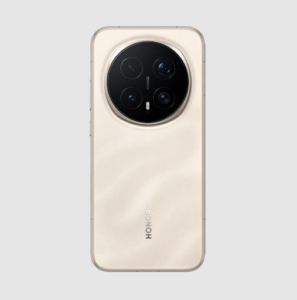
Regular updates should be treated as routine maintenance, much like locking your door or backing up important files. In everyday life, the few minutes spent updating can prevent hours of stress caused by security issues or system failures. Updates help protect your data, improve performance, and keep your phone compatible with modern apps. When some users eventually decide it is time to move on from an aging device, switching to a newer, well-supported phone—such as the HONOR Magic 8 Pro smartphone—can make staying updated easier and more reliable in the long run. Ultimately, turning updates into a habit rather than a decision helps keep your digital life safer and smoother every day.

Introduction to Playman.tech
In the ever-evolving world of indie game development, finding the right platform can make all the difference. Enter Playman.tech—a haven for creative minds ready to bring their gaming visions to life. Whether you’re a seasoned developer or just stepping onto the scene, this platform is designed with your needs in mind. With a focus on accessibility and support, Playman.tech stands out as an essential tool in your game development journey. Let’s dive into what makes Playman.tech the go-to choice for indie developers everywhere!
User-Friendly Interface and Tools
Navigating the world of game development can be overwhelming. Playman.tech simplifies that journey with its user-friendly interface.
The platform’s design is intuitive, allowing developers to focus on creativity rather than technical hurdles. New users can quickly familiarize themselves with the layout and features without feeling lost.
Powerful tools are at your fingertips, enabling you to create stunning games seamlessly. From asset management to coding support, everything is streamlined for efficiency.
Whether you’re a novice or an experienced developer, these resources help bring your vision to life. The straightforward setup encourages experimentation and innovation.
With Playman.tech’s accessible environment, you can dive into game development confidently and creatively. It’s not just about building games; it’s about enjoying the process while doing it.
Extensive Library of Resources
Playman.tech boasts an extensive library of resources that caters specifically to indie game developers. This wealth of information is invaluable for both newcomers and seasoned creators alike.
From comprehensive tutorials to detailed guides, the platform provides a variety of materials that simplify complex concepts. Developers can find everything from coding tips to art asset creation techniques.
Moreover, Playman.tech regularly updates its resource library with the latest trends and technologies in gaming. This ensures users are always on top of industry advancements.
The interactive elements—including videos and forums—allow for deeper engagement with content. Developers can ask questions or seek clarification on topics they find challenging.
With such a rich array of learning tools at their fingertips, indie developers have the potential to enhance their skills significantly. Whether you’re looking for inspiration or practical advice, Playman.tech has it all covered.
Community Support and Networking Opportunities
One of the standout features of playman.tech is its vibrant community. Indie game developers from around the world gather here to share ideas, experiences, and encouragement. This communal aspect fosters creativity and innovation.
Networking opportunities abound on the platform. Developers can connect with artists, composers, and programmers who are eager to collaborate. Such connections can lead to partnerships that elevate projects to new heights.
Moreover, forums and discussion groups provide a space for feedback and support. Whether you’re troubleshooting a coding issue or brainstorming gameplay mechanics, help is just a post away.
Regular events like game jams encourage participation and collaboration among members. These events not only spark inspiration but also allow developers to showcase their skills in friendly competitions.
With this supportive environment, playman.tech transforms what could be an isolating journey into one filled with shared passion and collective growth.
Affordable Pricing Plans
Affordable pricing is a key factor for indie game developers. Playman.tech understands this need and offers flexible plans tailored to various budgets.
Whether you’re just starting or scaling up, there’s an option for you. The basic plan provides essential features at a minimal cost, allowing newcomers to dive into the world of game development without financial strain.
For those looking for more advanced tools, the premium plans offer additional resources and support. It’s all designed to help create high-quality games while keeping expenses in check.
No hidden fees or surprise charges mean transparency with every transaction. This commitment ensures that indie developers can focus on what really matters—bringing their creative visions to life without worrying about breaking the bank.
Success Stories of Indie Game Developers on Playman.tech
Many indie game developers have found their footing on Playman.tech, turning ambitious dreams into reality. With the platform’s robust tools and resources, they’ve created captivating games that resonate with players.
Take Emma, for instance. She launched her puzzle game within months and saw it garner thousands of downloads. Feedback from the community helped refine her mechanics, leading to a successful launch.
Then there’s Jake, who developed an immersive RPG. Through collaboration on Playman.tech, he connected with artists and sound designers to enhance his vision. The project turned heads at gaming expos, earning him recognition in the industry.
These stories illustrate how Playman.tech fosters creativity and innovation among indie developers. Each success underscores a commitment not just to building games but cultivating vibrant communities around them.
Why Choose Playman.tech Over Other Platforms?
When it comes to indie game development, choosing the right platform can make all the difference. Playman.tech stands out for its commitment to empowering developers at every level.
Unlike other platforms that may focus on larger studios, Playman.tech is tailored specifically for indie creators. This niche focus means tools and resources are designed with your unique challenges in mind.
The community aspect of Playman.tech also sets it apart. Here, you’ll find a supportive network where developers share insights and collaborate on projects. It fosters an environment that encourages creativity and innovation.
Furthermore, affordability is key. Many platforms come with hefty fees that can strain budgets for small teams or solo developers. With flexible pricing plans, Playman.tech ensures everyone has access to essential features without breaking the bank.
Choosing a platform shouldn’t be about just features—it’s about finding one that aligns with your vision as an indie developer.
Conclusion
Playman.tech stands out as a premier platform for indie game developers looking to bring their visions to life. Its user-friendly interface ensures that even those new to game development can navigate with ease, while the extensive library of resources is invaluable for both learning and inspiration.
The community support fosters connections among developers, creating opportunities for collaboration and networking that are crucial in this competitive industry. With affordable pricing plans, Playman.tech makes it accessible for everyone—from hobbyists to serious developers.
Many success stories from indie creators illustrate the platform’s effectiveness in helping games gain traction in the market. This combination of features sets Playman.tech apart from other platforms, making it an ideal choice for anyone aiming to make their mark in gaming.
Choosing Playman.tech means joining a thriving ecosystem dedicated to innovation and creativity within the indie gaming community. The blend of tools, resources, support, and affordability creates an environment where developers can thrive without breaking the bank or feeling overwhelmed by complexity.

Transparent display technology has evolved rapidly in recent years. While early transparent screen concepts from major brands appeared at events like CES, high costs and limited scalability kept them within premium or experimental use cases. Today, Transparent LED displays and LED holographic displays offer a more practical and commercially viable solution.
One of the key advantages of Transparent LED technology is its high transparency, typically ranging from 60% to 90%. This allows digital content to be displayed without blocking natural light or architectural visibility. As a result, screens can blend naturally into glass façades, storefronts, and open commercial environments.
Compared with traditional LED screens, Transparent LED displays feature a lighter structure and slimmer profile, making them easier to install on glass surfaces and large architectural structures. Their modular design supports flexible layouts and custom shapes, reducing installation complexity while maintaining strong visual impact.
In commercial applications, Transparent LED displays are widely used in retail windows, hotel façades, exhibition booths, and showrooms. They help brands communicate information dynamically while preserving a clean, open visual experience. Digital content appears to float within the space, attracting attention without overwhelming the environment.
As display technology continues to mature, Transparent LED solutions are becoming a standard choice for modern architecture and commercial design. Their balance of transparency, visual performance, and scalability makes them well suited for long-term, real-world applications.
-

 TECHNOLOGY9 months ago
Top 10 Must-Read Stories from Kristen Archives You Can’t Miss
-

 TECHNOLOGY1 year ago
Sky Bri Net Worth Revealed: How She Built Her Financial Empire
-

 TOPIC1 year ago
Basement Renovation Contractors: How They Tackle Structural Issues During Renovations
-

 TOPIC11 months ago
5 Reasons the //Vital-Mag.Net Blog Dominates Lifestyle
-

 BEAUTY1 year ago
Revitalize Your Hair with Oribe Hair Care for Damaged Hair: Style It with Blue Dresses for Weddings and Events
-

 TOPIC10 months ago
Top 10 Articles from the ://Vital-Mag.net Blog That You Can’t Miss
-

 CRYPTO1 year ago
Crypto30x.com Review: Is It the Right Platform for You?
-

 BUSINESS9 months ago
TraceLoans Explained What You Need to Know