
EDUCATION
Revolutionizing Test Prep: Why Every Student Needs an AI-Powered SAT Tutor

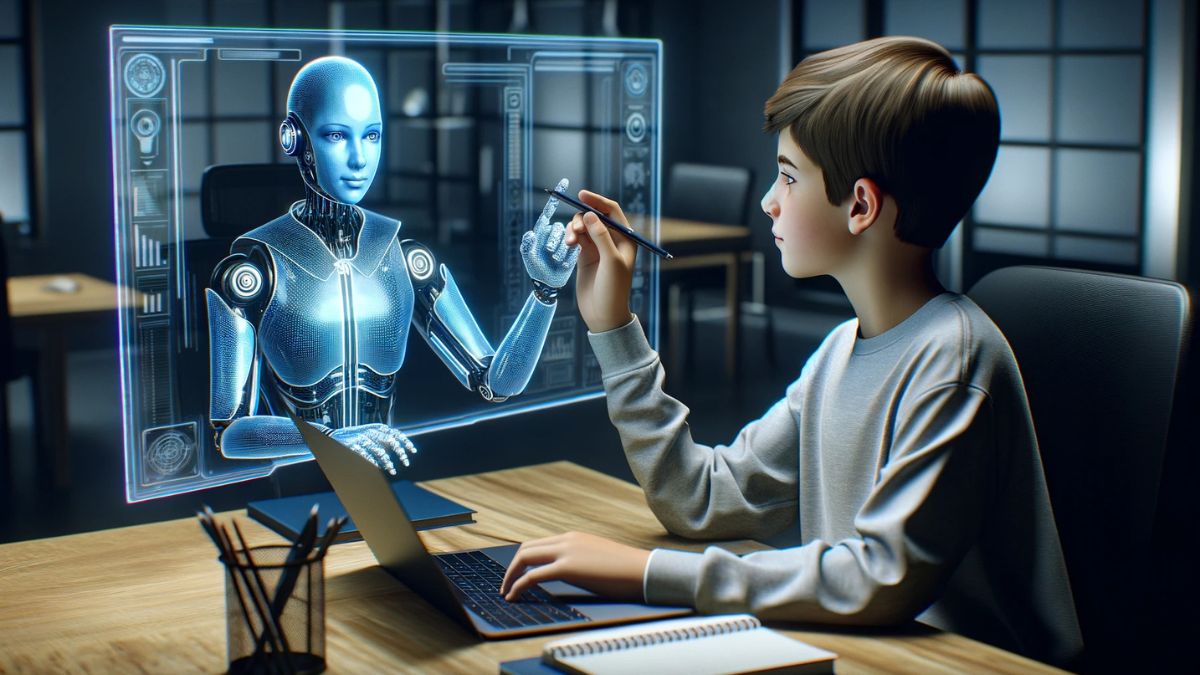
The process of preparing for the SAT has evolved dramatically over the years. Gone are the days when students would rely solely on thick prep books and group classes to prepare for one of the most significant exams of their academic careers. Today, technology is reshaping the way students learn, offering smarter, more effective solutions. One such solution is the rise of the AI-powered SAT tutor — a game-changer for students aiming to ace their SATs in a digital world.
The Shift Toward Personalized Learning
In a traditional classroom, one teacher often teaches a room full of students at the same pace. However, each student has unique learning needs, strengths, and areas of improvement. The same principle applies when preparing for standardized tests like the SAT. No two students are alike, and that’s why a personalized learning experience is essential for achieving the best results.
AI has made personalized learning accessible to everyone. The AI-powered SAT tutor adapts to a student’s individual needs, ensuring that their study sessions focus on the areas that require the most attention. Whether it’s mastering SAT math problems or improving reading comprehension, an AI tutor like Mia offers tailor-made solutions. It’s a step away from the one-size-fits-all approach of traditional tutoring and offers an experience designed to boost a student’s performance in the shortest amount of time.
How AI Changes the Game in SAT Preparation
At its core, an AI-powered SAT tutor functions by gathering data on a student’s performance and using that information to provide personalized feedback and learning strategies. This approach allows the AI to pinpoint weak areas and help students focus on topics that need improvement.
For instance, Mia, the AI tutor available through LearnQ’s platform, provides students with detailed explanations for challenging questions and concepts. Students don’t just learn the correct answers—they understand the logic behind them. This type of adaptive learning, driven by artificial intelligence, is one of the reasons why AI tutoring is gaining popularity among students.
One key benefit of an AI-powered tutor is its ability to offer real-time feedback. Traditional tutoring often involves waiting for feedback until the next session. But with an AI-based SAT tutor, students can receive immediate insights into their mistakes and learn how to correct them on the spot. This feedback loop helps reinforce knowledge and builds confidence, making the learning process faster and more efficient.
The Advantages of an AI SAT Tutor
AI tutors offer several benefits over their human counterparts, especially when it comes to SAT preparation. Here are some of the most significant advantages:
- Availability Anytime, Anywhere: One of the most attractive features of an AI-powered SAT tutor is its availability. Students can access the tutor whenever they want—whether it’s after school, late at night, or during the weekend. This flexibility is essential for today’s busy students, who often have to juggle extracurricular activities, homework, and other responsibilities.
- Cost Efficiency: Hiring a human tutor can be expensive, especially for SAT prep, which often requires multiple sessions. AI-powered tutors offer a more affordable alternative without compromising on quality. LearnQ’s Mia, for example, provides different pricing options, including a free plan, making it accessible to students regardless of their financial situation.
- Unlimited Practice Questions: AI tutors typically have access to a vast pool of SAT practice questions, designed to mirror the actual exam. Mia offers over 10,000 practice questions that align with the latest College Board patterns. This means that students can practice as much as they want, without the limitations often encountered in traditional tutoring settings.
- Tailored Learning Paths: Perhaps the biggest advantage of an AI-based SAT tutor is the ability to tailor learning paths based on each student’s progress. If a student is excelling in reading comprehension but struggling with SAT math, Mia will adjust its focus to concentrate more on math. This personalized approach ensures that students make the most of their study time and see the fastest improvements.
Overcoming Test Anxiety with AI
One of the most significant hurdles for students preparing for the SAT is anxiety. Many students feel overwhelmed by the prospect of taking such an important test, which can lead to poor performance. However, having an AI-powered SAT tutor can help alleviate some of this stress.
By offering personalized, real-time feedback, AI tutors like Mia help build students’ confidence over time. As they continue to practice and receive positive reinforcement, they become more comfortable with the test format and questions. Furthermore, AI tools allow students to practice under test-like conditions, simulating the actual exam day experience. This repetition and familiarity reduce anxiety and increase the chances of success.
Why AI Is the Future of SAT Tutoring
The educational landscape is changing rapidly, and AI is at the forefront of this transformation. In the past, students may have been limited by geography or financial resources when seeking out the best tutors. But with the advent of AI, high-quality SAT tutoring is now available to anyone with an internet connection.
AI tutoring platforms are democratizing education by providing students with personalized learning experiences that were once reserved for those who could afford expensive private tutors. Now, students from all backgrounds have access to a tool that can help them excel on the SAT and, by extension, gain admission to top colleges.
Moreover, AI doesn’t just help students study more effectively—it helps them become better learners. By providing detailed explanations, personalized learning paths, and immediate feedback, an AI-powered SAT tutor helps students develop the skills they need not only to perform well on the SAT but also to succeed in future academic endeavors.
A New Way Forward for Tutors and Test Prep Institutes
The rise of AI in education isn’t just transforming how students learn—it’s also offering new opportunities for tutors and test prep institutes. Platforms like LearnQ’s Mia provide a way for tutors and institutions to integrate AI into their offerings. By using an AI-powered platform, they can offer students a Duolingo-like experience with tailored learning paths, but also maintain a level of human oversight.
For tutors, this represents an opportunity to scale their offerings and reach more students. AI can handle much of the heavy lifting when it comes to data analysis and personalized learning recommendations, allowing tutors to focus on more strategic areas, such as test-taking strategies and motivation.
Conclusion: The Future of SAT Tutoring Is Here
The introduction of AI into SAT tutoring represents a significant shift in how students prepare for this critical exam. An AI-powered SAT tutor like Mia offers an efficient, flexible, and personalized way to study, one that meets the needs of today’s tech-savvy students.
With features like real-time feedback, tailored learning paths, and affordable pricing, AI tutors are rapidly becoming the go-to solution for SAT prep. Whether you’re a student looking to improve your math scores or a tutor seeking to offer a more comprehensive service, AI is poised to reshape the future of test preparation.
In the end, the key to success on the SAT is consistent practice and targeted learning. An AI-powered SAT tutor ensures that every student can access the resources they need to perform their best—no matter where they are or how they learn. The future of education is here, and it’s smarter, more personalized, and more accessible than ever before.


Introduction to Studiae and its origins
In today’s fast-paced world, the way we learn has undergone a radical transformation. Gone are the days of rigid classrooms and dog-eared textbooks. Enter Studiae—a game-changer in modern education that is reshaping how knowledge is shared and absorbed. From its humble beginnings to becoming a cornerstone of contemporary learning, Studiae embodies innovation at its finest. But what brought about this shift? And how does it stand apart from traditional methods? Join us as we explore the journey of Studiae through its origins, challenges, and incredible potential for shaping the future of education.
Traditional learning methods and their limitations
Traditional learning methods have long dominated educational spaces. They often rely on teacher-led instruction and rote memorization, leaving little room for creativity. Students typically sit in rows, absorbing information passively.
This approach can stifle engagement. Many learners struggle to connect with the material when it is delivered in a one-size-fits-all manner. Individual learning styles are frequently overlooked in favor of standardized curricula.
Additionally, traditional assessments tend to focus heavily on exams and grading systems that may not accurately reflect a student’s understanding or abilities. This can lead to anxiety and disinterest among students who feel defined by test scores rather than their actual knowledge or skills.
With limited opportunities for collaboration or hands-on experience, many students miss out on essential critical thinking and problem-solving skills necessary for real-world applications. The demand for innovation in education has never been more pressing as these limitations become increasingly evident.
The rise of technology in education
The rise of technology in education has reshaped how we learn. Classrooms are no longer confined to four walls, thanks to online resources and digital platforms.
Students now have access to a wealth of information at their fingertips. Interactive tools like educational apps, videos, and virtual simulations bring lessons to life in ways traditional methods could never achieve.
Moreover, technology fosters collaboration among learners across the globe. Online forums and group projects enable students from different backgrounds to share ideas and perspectives seamlessly.
Teachers also benefit significantly from technological advancements. They can personalize learning experiences using data analytics and adaptive learning software that cater to individual student needs.
As new technologies continue emerging, they create endless possibilities for innovative teaching methods that engage today’s learners more effectively than ever before. This shift not only enhances knowledge acquisition but also prepares students for a rapidly evolving world beyond the classroom.
The birth of Studiae and its unique approach
Studiae emerged as a revolutionary concept in the educational landscape. It was born out of the need for a more engaging and effective learning experience.
By integrating technology with traditional pedagogy, Studiae created an interactive environment that resonates with today’s learners. This approach emphasizes collaboration over competition, fostering teamwork among students.
What sets Studiae apart is its focus on personalized learning paths tailored to individual needs. Instead of a one-size-fits-all model, it encourages students to pursue their interests at their own pace.
This method enhances motivation and retention while making education enjoyable. Educators are equipped with tools to track progress and provide real-time feedback, creating a dynamic classroom atmosphere.
The unique blend of flexibility and structure makes Studiae stand out in modern education. It’s not just about acquiring knowledge; it’s about cultivating skills that prepare students for life beyond school walls.
Advantages of Studiae for students and teachers
Studiae brings a fresh perspective to learning, benefiting both students and teachers alike. Its interactive platform fosters engagement, making lessons more enjoyable. Students are empowered to take control of their education and pursue knowledge at their own pace.
For educators, Studiae offers valuable tools that streamline lesson planning and assessment. Teachers can easily track student progress in real-time, allowing for tailored support where it’s needed most.
Collaboration is another key advantage. Students connect with peers worldwide, broadening their horizons and enhancing cultural understanding. This global interaction enriches the educational experience far beyond traditional borders.
Moreover, the emphasis on practical skills prepares learners for real-world challenges. With hands-on projects integrated into the curriculum, students gain relevant experience while still in school.
Accessibility is improved through digital platforms. Learners from diverse backgrounds can access resources anytime and anywhere—an essential feature in today’s interconnected world.
Impact on modern learning and education systems
Studiae has significantly reshaped modern learning paradigms. Traditional classrooms, once dominated by rote memorization and one-size-fits-all approaches, are evolving into dynamic environments driven by student engagement.
With its emphasis on personalized learning paths, Studiae empowers students to take charge of their education. This shift fosters a sense of ownership and responsibility in learners, enhancing motivation and retention.
Teachers benefit as well. By leveraging technology through Studiae, educators can tailor their instruction based on individual needs. This targeted approach allows for more effective teaching strategies that resonate with diverse student populations.
Furthermore, collaboration is at the heart of Studiae’s impact on education systems. Students connect not just within their classroom but also globally. Such interactions cultivate critical thinking skills and foster cultural awareness among peers from different backgrounds.
The integration of innovative tools continues to challenge traditional educational structures while promoting lifelong learning beyond the confines of school walls.
Challenges faced by Studiae and potential solutions
Studiae has made significant strides in modern learning, but it faces several challenges. One major issue is the digital divide. Not all students have reliable internet access or devices, which can hinder their ability to participate fully.
Another challenge is resistance from traditional educators. Some teachers may feel threatened by new methods and technologies. This hesitation can slow down the adoption of Studiae’s innovative approach.
To address these hurdles, targeted training programs for educators are essential. Providing them with tools and resources will help ease their transition into this new educational landscape.
Additionally, partnerships between schools and technology providers could improve accessibility for students in underprivileged areas. By working together, institutions can bridge gaps and create a more inclusive environment for everyone involved in the learning process.
Engaging parents in discussions about Studiae is also crucial to foster support within communities.
Future possibilities for Studiae and the education industry
The future of Studiae holds immense potential for reshaping education as we know it. With advancements in artificial intelligence and machine learning, personalized learning experiences could become the norm. This would allow students to progress at their own pace, catering to individual strengths and weaknesses.
Furthermore, integrating virtual reality into Studiae can create immersive environments that enhance engagement. Imagine history lessons where students walk through ancient civilizations or biology classes that explore ecosystems up close.
Collaboration between global classrooms is another exciting prospect. Students from different countries can engage in joint projects, fostering cultural exchange and broadening perspectives.
As educational institutions continue to embrace hybrid models, Studiae’s adaptability will enable seamless transitions between online and offline settings. This flexibility ensures all learners have access to quality education regardless of their circumstances.
Continuous innovation within this framework can lead us toward a more inclusive and effective educational landscape overall.
Conclusion: The transformative power of Studiae in shaping the future of learning
Studiae has emerged as a pivotal force in the evolution of modern education. Its innovative approach addresses many limitations of traditional learning, providing students with more flexible and engaging ways to absorb knowledge. By harnessing technology, Studiae has transformed both teaching methods and student interactions.
Teachers benefit from tailored resources that enhance their instructional strategies, while students enjoy personalized learning experiences that cater to their unique needs. This synergy between educators and learners fosters an environment ripe for collaboration and creativity.
As we look towards the future, challenges such as accessibility and integration within existing educational systems must be addressed. However, the potential solutions are promising. With continued advancements in technology and pedagogy, Studiae can pave the way for a more inclusive and effective educational landscape.
The journey of Studiae illustrates how adaptability is key in shaping learning outcomes. Its impact is profound—a testament to the belief that education must evolve alongside society’s changing demands. As we embrace this transformation, it’s clear that Studiae will play a significant role in defining how future generations learn and grow.

Introduction to the Machin Series
If you’re on the hunt for an immersive reading experience, look no further than the Machin series. These books transport you to a captivating world filled with intrigue, adventure, and unforgettable characters. Whether you’re new to this literary universe or simply curious about where to start, diving into the Machin series is bound to spark your imagination.
Each novel offers a unique blend of storytelling that keeps readers hooked from page one. With intricate plots and rich character development, it’s easy to see why fans rave about these titles. But which books should you read first? Let’s explore the top five must-read novels in the Machin series that will set you on an unforgettable journey.
Why should you read the Machin Series?
The Machin Series offers a captivating experience that immerses readers in its intricate worlds. Each book is meticulously crafted, pulling you into rich narratives filled with unforgettable characters.
Readers are drawn to the series for its unique blend of suspense and adventure. The storylines keep you guessing, making it hard to put the books down once you’ve started.
Beyond entertainment, these novels explore profound themes like connection, struggle, and resilience. They resonate on multiple levels, prompting reflection long after reading.
Additionally, the writing style strikes a balance between accessibility and depth. This allows both seasoned readers and newcomers to appreciate the craft without feeling overwhelmed.
Whether you’re seeking an escape or a thought-provoking journey, the Machin Series delivers on all fronts. It’s not just about reading; it’s about experiencing something transformative through literature.
The Top 5 Must-Read Books in the Series
The Machin Series is a treasure trove of storytelling. Each book offers something unique, drawing readers into its intricate world.
First up is *Machin’s Awakening*. This novel sets the stage for the series with vivid characters and an engaging plot. Readers are introduced to key themes that resonate throughout the entire collection.
Next, we have *Echoes of Machin*, where suspense takes center stage. The twists and turns keep you guessing until the last page. It’s a real page-turner that deepens our understanding of recurring motifs in the series.
Then comes *Machin Unbound*. Here, exploration meets philosophy as characters grapple with their identities. It’s thought-provoking and beautifully written.
*Legacy of Machin* follows suit but adds layers through rich historical contexts. Don’t miss out on *Revelations in Machin*, which wraps everything together while leaving room for more adventures ahead.
Each title stands alone yet connects seamlessly to form a greater narrative tapestry.
A brief overview and summary of each book
The Machin Series kicks off with “Awakening Shadows.” This book introduces readers to a world where technology and magic intertwine. The protagonist, Elara, discovers hidden powers that could alter the balance of her universe.
Next is “Veil of Secrets.” Here, tensions rise as factions vie for control over ancient artifacts. Elara navigates treachery while building alliances, leading to unexpected revelations about her past.
In “Echoes of Destiny,” the stakes get higher. A looming threat emerges from another realm. Readers embark on a thrilling journey alongside Elara as she faces formidable foes and unravels secrets buried deep in history.
The fourth installment, “Fragments of Time,” delves into time manipulation. This story pushes boundaries as our hero grapples with choices that affect not just her future but also the past—an intricate dance between fate and free will unfolds.
Lastly, “Convergence” brings everything to a climax. All threads come together in a breathtaking finale where loyalties are tested, and sacrifices must be made for peace to prevail.
Themes and lessons from the series
The Machin Series is rich with themes that resonate deeply. At its core, the struggle between good and evil shapes each character’s journey. Readers witness how choices define destiny.
Friendship plays a pivotal role throughout the series. The bonds formed by characters highlight loyalty and trust, showcasing how relationships can transform lives.
Another compelling theme is resilience. Characters face insurmountable odds but rise again after every setback. This persistence inspires readers to persevere in their own challenges.
Additionally, the exploration of identity adds depth to the narrative. Characters grapple with who they truly are amidst external pressures.
Morality often hangs in balance within the storylines. Decisions carry weighty consequences that challenge notions of right and wrong, encouraging reflection on one’s values and beliefs as well as their impacts on others’ lives.
How to get started with the Machin Series
Getting started with the Machin Series is an exciting journey. First, choose one of the books from our top five list. Each book stands alone but also connects to a larger narrative.
Next, set aside some quiet time for reading. The immersive world of the series deserves your full attention. Consider joining online forums or social media groups dedicated to discussing these stories. Engaging with others can deepen your understanding and enjoyment.
If you prefer audiobooks, explore that option too. Hearing the characters come alive through narration adds another layer to your experience.
Don’t rush through it; savor each page at your own pace. Take notes on themes or quotes that resonate with you as you read—they could spark great discussions later!
Conclusion: Why these books are a must-read for newcomers to the series
Exploring the Machin Series is like embarking on a captivating journey through richly crafted worlds and complex characters. Each book offers a unique experience that draws readers deeper into its intricate plots and thought-provoking themes. For newcomers, these top five selections serve as an excellent starting point.
These stories not only entertain but also challenge perspectives and inspire introspection. The depth of character development allows you to connect with the protagonists, while the narrative threads weave together issues relevant to our society today.
Whether you’re seeking adventure, emotional resonance, or philosophical insight, these must-read titles from the Machin Series deliver something for everyone. They are more than just books; they are gateways to understanding human nature in all its complexities. Picking up any one of them will surely ignite your passion for this gripping series and encourage further exploration of its vast universe.
EDUCATION
The Classroom Culture War: Are Australia and New Zealand’s Education Reforms Missing the Mark?


In the sun-drenched playgrounds of Australia and the lush green fields of New Zealand, a quiet revolution is taking place within the classroom walls. Driven by a well-intentioned desire for social justice and historical reconciliation, the education systems in both nations are undergoing a profound transformation. However, a growing chorus of critics argues that this shift is veering away from academic fundamentals and toward a flawed ideology, often dismissed by opponents as “wokeism.”
At the heart of this debate is the integration of Indigenous perspectives. In Australia, the push to embed Aboriginal and Torres Strait Islander histories and cultures into the national curriculum is a direct response to decades of silence about a painful past. Similarly, New Zealand’s long-standing commitment to biculturalism, centered on the Te Tiriti o Waitangi (The Treaty of Waitangi), is being intensified. The stated goal is noble: to create a more inclusive and truthful historical narrative and to empower Māori and Indigenous Australian students.
Yet, the execution of these initiatives is where the system reveals its flaws. Critics contend that the approach has become less about balanced education and more about fostering a culture of guilt and obligation. When children are taught that their nation’s history is primarily a story of oppression and that they must personally “pay back” for historical wrongs, it can lead to disengagement and resentment rather than genuine understanding. The complexity of history is often reduced to a simplistic narrative of oppressor versus oppressed, leaving little room for nuance or a celebration of the overarching national story that also includes immense achievement and progress.
This ideological push, some argue, comes at the expense of core academic rigor. There is a palpable concern that an overwhelming focus on socio-emotional learning and ideological alignment is crowding out the time and resources needed for foundational skills. As schools become arenas for social engineering, are students graduating with a weaker command of mathematics, literacy, and sciences? The fear is that in trying to solve broad societal issues, the education system is neglecting its primary duty: to equip students with knowledge and critical thinking skills.
Furthermore, the very nature of “critical thinking” is at stake. In many classrooms, the new orthodoxy presents a specific worldview as the only morally acceptable one. Students who question the prevailing narrative on issues like colonialism or gender identity can be labeled as insensitive or backward. Even in some online courses taken by triadessay staff, the repetitive, almost meaningless announcement/acknowledgement, combined with the crime rate among and the so-called structural disadvantage faced by Indigenous populations really produce this ironic paradox and blind pursuit of racial equity. This creates an intellectual environment that prizes conformity over genuine inquiry. True critical thinking involves questioning all sides of an argument, not just parroting an approved perspective.
The result is a system at odds with itself. It aims to promote inclusivity but often does so by segregating students by identity. It seeks to empower Indigenous youth, yet some argue it can inadvertently lower expectations by framing them primarily as victims of circumstance rather than as resilient individuals. It champions “truth-telling” while dismissing alternative interpretations of history as invalid.
The path forward is not to abandon the important work of reconciliation or inclusivity. The histories and contributions of Indigenous peoples are vital parts of both Australian and New Zealand identity. However, a successful education system must balance this with a relentless commitment to academic excellence, intellectual freedom, and a unifying national vision. It should teach children how to think, not what to think, empowering them with the knowledge and skills to build a better future for all, without being burdened by the sins of the past. The goal should be to create proud, informed, and capable citizens, not ideologically compliant ones.
-

 TECHNOLOGY8 months ago
Top 10 Must-Read Stories from Kristen Archives You Can’t Miss
-

 TECHNOLOGY1 year ago
Sky Bri Net Worth Revealed: How She Built Her Financial Empire
-

 TOPIC1 year ago
Basement Renovation Contractors: How They Tackle Structural Issues During Renovations
-

 TOPIC11 months ago
5 Reasons the //Vital-Mag.Net Blog Dominates Lifestyle
-

 BEAUTY1 year ago
Revitalize Your Hair with Oribe Hair Care for Damaged Hair: Style It with Blue Dresses for Weddings and Events
-

 TOPIC9 months ago
Top 10 Articles from the ://Vital-Mag.net Blog That You Can’t Miss
-

 CRYPTO1 year ago
Crypto30x.com Review: Is It the Right Platform for You?
-

 BUSINESS9 months ago
TraceLoans Explained What You Need to Know