
TECHNOLOGY
The Role of Technology in Enhancing Logisths Efficiency

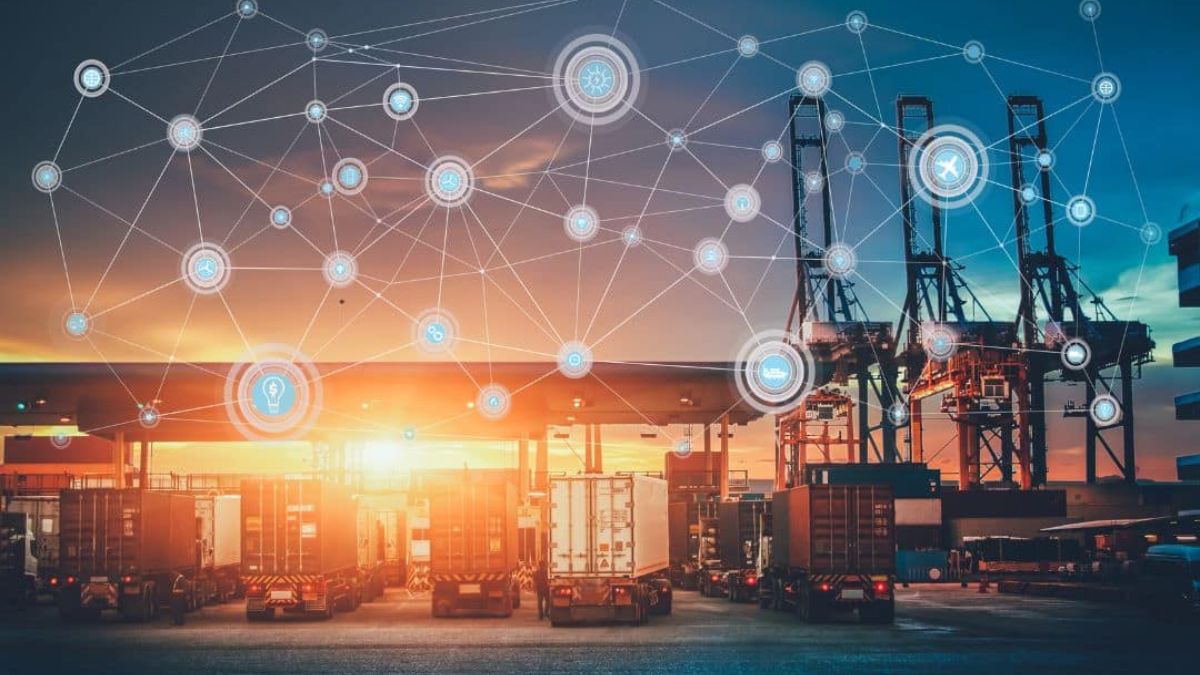
Introduction to logistics efficiency
In today’s fast-paced world, efficiency can make or break a logistics operation. With the increasing demands of consumers and businesses alike, companies are on the hunt for ways to optimize their processes. Enter technology—a game-changer that has transformed traditional methods into streamlined systems capable of delivering results faster than ever before. From automated delivery drones to advanced inventory management software, innovative tools are reshaping how we think about logistics.
Imagine a scenario where shipments arrive precisely on time, inventory is tracked in real-time, and data drives every decision made in the supply chain. This isn’t just wishful thinking; it’s quickly becoming reality thanks to modern advancements in technology. But what does this mean for logistics professionals? As we dive deeper into how tech enhances logisths efficiency, you’ll discover not only its impact but also how it’s helping businesses stay competitive in an ever-evolving market landscape.
The impact of technology on traditional logistics processes
Technology has reshaped traditional logistics processes in remarkable ways. Manual tasks that once took hours can now be completed in minutes, thanks to innovative software solutions.
Take order processing, for example. With automated systems, businesses can track orders in real-time and minimize errors. This boosts customer satisfaction significantly.
Communication is another area where tech shines. Cloud-based tools allow teams across the globe to collaborate seamlessly. Instant updates improve transparency and decision-making speed.
Moreover, technology enhances route optimization for transportation vehicles. Smart algorithms analyze traffic patterns and weather conditions to find the most efficient routes, reducing delivery times and costs.
The integration of IoT devices offers greater visibility into supply chains as well. Businesses can monitor shipments continuously, ensuring they arrive safely and on time without constant manual checks.
These advancements have made logistics more agile than ever before while laying a foundation for future innovations.
Advancements in transportation and delivery systems
Recent advancements in transportation and delivery systems have completely transformed the logistics landscape. Innovations like electric vehicles (EVs) are reshaping how goods travel from point A to B. These eco-friendly options not only reduce carbon footprints but also cut operational costs.
Drones and autonomous vehicles have started making waves too. They promise faster deliveries, especially in urban areas where traffic can be a nightmare. Imagine receiving your package within minutes instead of days!
Telematics technology enhances fleet management by providing real-time data on vehicle performance and route optimization. This is crucial for reducing delays and ensuring timely deliveries.
Moreover, last-mile delivery solutions are becoming more sophisticated, integrating smart lockers and mobile apps to streamline customer interactions. As these technologies evolve, they continue to redefine efficiency in logistics operations across the globe.
Streamlining inventory management through technology
Inventory management can often be a complex puzzle. Technology has emerged as the key to solving this challenge.
With advanced software solutions, businesses can track stock levels in real-time. This ensures they never run out of essential items or overstock unnecessary products.
Automated systems help streamline order processing and reduce human error. Smart algorithms predict demand patterns, allowing companies to optimize their inventory accordingly.
Moreover, mobile applications enable managers to monitor their stock from anywhere. This flexibility enhances decision-making speed and accuracy.
Integrating technologies like RFID tags further improves tracking efficiency. These tiny devices provide instant updates on item locations within warehouses.
By harnessing these tools, organizations boost productivity while minimizing costs associated with excess inventory or shortages. The result is a more agile supply chain that adapts swiftly to market changes.
Utilizing data analytics for optimal supply chain management
Data analytics has transformed supply chain management into a strategic powerhouse. Companies can now tap into vast amounts of data to make informed decisions that were once based on intuition.
By analyzing consumer behavior, businesses can forecast demand more accurately. This ensures they have the right products in stock at the right time, reducing waste and excess inventory costs.
Furthermore, predictive analytics helps identify potential disruptions in the supply chain before they escalate. By anticipating risks, companies can develop contingency plans that maintain efficiency and minimize downtime.
Real-time data tracking enhances transparency throughout the logistics process. Stakeholders can monitor shipments and inventory levels continuously, leading to improved collaboration among teams.
Leveraging data analytics enables organizations to optimize their operations while enhancing customer satisfaction through timely deliveries and better product availability. The ability to adapt quickly is crucial in today’s fast-paced market environment.
Automation and robotics in warehouse operations
Automation and robotics are transforming warehouse operations at an unprecedented pace. These technologies enhance efficiency by reducing human error and speeding up processes.
Robots can handle repetitive tasks like picking, packing, and sorting. This allows human workers to focus on more complex responsibilities that require critical thinking. The result is a smarter allocation of resources within the warehouse.
Automated guided vehicles (AGVs) navigate through storage spaces effortlessly, moving products from one location to another without manual intervention. This not only saves time but also minimizes safety risks associated with lifting heavy items.
Moreover, advanced robotic systems adapt quickly to varying demands in order fulfillment. Scalability becomes seamless as businesses adjust to market changes or seasonal fluctuations.
Integrating these technologies into existing workflows can lead to significant cost savings over time while improving overall productivity levels across logistics operations.
The benefits and challenges of implementing technology in logistics
Implementing technology in logistics offers numerous benefits. Enhanced efficiency is one of the most significant advantages. Automated systems can streamline processes, reducing manual errors and speeding up operations.
Cost savings are another factor. By optimizing routes and automating tasks, companies can cut transportation costs and minimize waste. Improved tracking also allows for better resource allocation.
However, challenges exist as well. Integrating new technologies requires upfront investment, which can be daunting for some businesses. Additionally, training staff to use these tools effectively takes time and effort.
Data security poses a concern too. With increased reliance on digital systems comes the risk of cyber threats that could compromise sensitive information.
Balancing these benefits against the challenges is essential for organizations aiming to thrive in an increasingly tech-driven logistics landscape.
Case studies of companies utilizing technology for logistics efficiency
Amazon is a prime example of leveraging technology to enhance logistics efficiency. Their use of robotics in fulfillment centers has dramatically reduced processing time. Automated guided vehicles transport goods, ensuring faster order picking and packing.
Walmart, on the other hand, employs advanced data analytics for inventory management. By analyzing consumer buying patterns in real-time, they optimize stock levels across their vast network of stores.
Another noteworthy case is UPS, which utilizes sophisticated route optimization software. This tool analyzes traffic conditions and delivery locations to minimize fuel consumption and improve delivery times.
These companies demonstrate how adopting new technologies can create significant improvements in logistics operations. Each showcases unique strategies that drive efficiency while maintaining customer satisfaction.
Future trends and predictions for the role of technology in logistics
The future of logistics is poised for transformative shifts driven by technology. As we look ahead, artificial intelligence will play a pivotal role in predicting demand and optimizing routes.
Autonomous vehicles are expected to revolutionize transportation methods. Drones may soon deliver packages directly to doorsteps, bypassing traditional obstacles.
Blockchain technology promises enhanced transparency across supply chains, ensuring secure transactions and real-time tracking. This advancement could drastically reduce fraud and errors.
Furthermore, the Internet of Things (IoT) will enable better asset management. Smart sensors can provide valuable data on inventory levels and equipment conditions.
Sustainability remains at the forefront as green technologies gain traction in logistics operations. Companies are increasingly adopting eco-friendly practices through innovative tech solutions.
Adapting to these trends will be crucial for businesses aiming to stay competitive in an ever-evolving landscape.
Conclusion
The seamless integration of technology into logistics processes has transformed the industry. Companies that embrace advancements in transportation, inventory management, and automation are realizing significant gains in efficiency. By harnessing data analytics, organizations can make informed decisions that optimize their supply chains.
However, it’s essential to remain aware of the challenges associated with implementing new technologies. Balancing investment costs with potential returns is crucial for long-term success. As we look ahead, emerging trends such as artificial intelligence and IoT will continue to shape the landscape of logistics.
Staying ahead means being adaptable and forward-thinking. Those who prioritize innovation will likely thrive in an ever-evolving market that demands enhanced efficiencies and responsiveness. The future of logisths looks promising as technology continues to pave the way for more effective operations and improved customer satisfaction.

Security often feels abstract until something goes wrong with a phone you rely on every single day. Many people postpone updates because they are busy, worried about storage space, or simply annoyed by repeated reminders. In reality, those small update notifications represent ongoing work to keep your device safe, stable, and useful in daily life. Skipping them may seem harmless at first, but over time, it quietly increases risks that affect your data, finances, and overall phone experience. To clarify why this matters so much, in this article, we explain the real-world reasons regular phone updates are essential and how they protect you long term.
Reason 1: Critical Security Patches
Updates Fix Vulnerabilities Hackers Exploit
Every operating system has weaknesses that are discovered over time, even after a phone is released. Hackers actively search for these flaws and share them within underground communities. When an update is released, it often quietly fixes a specific vulnerability that could be exploited remotely. In everyday terms, installing updates closes digital doors that attackers are trying to force open. Ignoring updates leaves those doors unlocked, even if everything seems normal on the surface. Over months or years, these unpatched gaps can accumulate and significantly increase your exposure to attacks.
Protects Your Personal and Financial Data
Your phone stores far more sensitive information than most people realize. Banking apps, saved passwords, personal photos, and private messages all live in one place. Security updates strengthen how this data is protected behind the scenes. Without them, malicious apps or phishing attacks have a higher chance of success. Regular updates reduce the risk that personal or financial information is stolen without your knowledge. This protection is especially important as mobile payments and digital identities become part of daily routines.
Reason 2: Essential Bug Fixes and Stability
Resolves Annoying Glitches and Crashes
Small software bugs can slowly turn into major frustrations in daily use. You may notice apps freezing, notifications arriving late, or the screen becoming unresponsive at random times. These issues are often already known by developers and addressed in updates. Installing updates replaces unstable code with improved versions. Over time, this leads to a noticeably smoother and more reliable experience. Fewer interruptions also mean less stress when you rely on your phone for work or family communication.
Improves Overall System Performance
Performance problems are not always caused by aging hardware alone. Inefficient software processes can waste system resources and slow everything down. Updates often optimize how memory, storage, and processing power are used. This means apps open faster and multitasking feels smoother. Even older phones can feel more responsive simply by staying up to date. Consistent performance improvements can make a device feel renewed instead of worn out.
Reason 3: New Features and App Compatibility
Unlocks Useful New Tools and Improvements
Updates do more than fix problems; they often add practical features that improve daily life. These can include better privacy controls, smarter battery management, or accessibility improvements. While each feature may seem small, together they significantly enhance usability. Over time, updated phones feel more refined and capable. Skipping updates means missing out on improvements designed to make tasks easier. These refinements often reflect real user feedback gathered over millions of devices.
Ensures Latest Apps Work Properly
App developers design new versions based on the latest system software. If your phone is outdated, apps may stop updating or behave unpredictably. This can affect essential tools like navigation, communication, or work-related apps. In daily use, this creates friction and limits functionality. Keeping your phone updated ensures compatibility with the apps you rely on most. It also reduces the risk of sudden app failures when services update their requirements.
Reason 4: Maximizing Your Phone’s Lifespan
Keeps Your Device Relevant and Secure Longer
Regular updates extend the useful life of a phone by keeping it secure against new threats. This means you can safely use your device for many years without worrying about vulnerabilities. Updated software also adapts the phone to evolving online services. In practical terms, your phone stays useful instead of feeling outdated too quickly. This long-term relevance saves money and reduces frustration. It also allows you to delay making difficult upgrade decisions.
Delays the Need for a Premature Upgrade
Many people replace phones because they feel slow or unreliable, not because the hardware is broken. Software updates often resolve these issues and restore confidence in daily use. By keeping your phone updated, you delay the need to buy a new device. This approach is both economical and environmentally responsible. A well-maintained phone can meet your needs longer than expected. Over time, this habit helps you get full value from your original purchase.

Conclusion
Regular updates should be treated as routine maintenance, much like locking your door or backing up important files. In everyday life, the few minutes spent updating can prevent hours of stress caused by security issues or system failures. Updates help protect your data, improve performance, and keep your phone compatible with modern apps. When some users eventually decide it is time to move on from an aging device, switching to a newer, well-supported phone—such as the HONOR Magic 8 Pro smartphone—can make staying updated easier and more reliable in the long run. Ultimately, turning updates into a habit rather than a decision helps keep your digital life safer and smoother every day.

Introduction to Playman.tech
In the ever-evolving world of indie game development, finding the right platform can make all the difference. Enter Playman.tech—a haven for creative minds ready to bring their gaming visions to life. Whether you’re a seasoned developer or just stepping onto the scene, this platform is designed with your needs in mind. With a focus on accessibility and support, Playman.tech stands out as an essential tool in your game development journey. Let’s dive into what makes Playman.tech the go-to choice for indie developers everywhere!
User-Friendly Interface and Tools
Navigating the world of game development can be overwhelming. Playman.tech simplifies that journey with its user-friendly interface.
The platform’s design is intuitive, allowing developers to focus on creativity rather than technical hurdles. New users can quickly familiarize themselves with the layout and features without feeling lost.
Powerful tools are at your fingertips, enabling you to create stunning games seamlessly. From asset management to coding support, everything is streamlined for efficiency.
Whether you’re a novice or an experienced developer, these resources help bring your vision to life. The straightforward setup encourages experimentation and innovation.
With Playman.tech’s accessible environment, you can dive into game development confidently and creatively. It’s not just about building games; it’s about enjoying the process while doing it.
Extensive Library of Resources
Playman.tech boasts an extensive library of resources that caters specifically to indie game developers. This wealth of information is invaluable for both newcomers and seasoned creators alike.
From comprehensive tutorials to detailed guides, the platform provides a variety of materials that simplify complex concepts. Developers can find everything from coding tips to art asset creation techniques.
Moreover, Playman.tech regularly updates its resource library with the latest trends and technologies in gaming. This ensures users are always on top of industry advancements.
The interactive elements—including videos and forums—allow for deeper engagement with content. Developers can ask questions or seek clarification on topics they find challenging.
With such a rich array of learning tools at their fingertips, indie developers have the potential to enhance their skills significantly. Whether you’re looking for inspiration or practical advice, Playman.tech has it all covered.
Community Support and Networking Opportunities
One of the standout features of playman.tech is its vibrant community. Indie game developers from around the world gather here to share ideas, experiences, and encouragement. This communal aspect fosters creativity and innovation.
Networking opportunities abound on the platform. Developers can connect with artists, composers, and programmers who are eager to collaborate. Such connections can lead to partnerships that elevate projects to new heights.
Moreover, forums and discussion groups provide a space for feedback and support. Whether you’re troubleshooting a coding issue or brainstorming gameplay mechanics, help is just a post away.
Regular events like game jams encourage participation and collaboration among members. These events not only spark inspiration but also allow developers to showcase their skills in friendly competitions.
With this supportive environment, playman.tech transforms what could be an isolating journey into one filled with shared passion and collective growth.
Affordable Pricing Plans
Affordable pricing is a key factor for indie game developers. Playman.tech understands this need and offers flexible plans tailored to various budgets.
Whether you’re just starting or scaling up, there’s an option for you. The basic plan provides essential features at a minimal cost, allowing newcomers to dive into the world of game development without financial strain.
For those looking for more advanced tools, the premium plans offer additional resources and support. It’s all designed to help create high-quality games while keeping expenses in check.
No hidden fees or surprise charges mean transparency with every transaction. This commitment ensures that indie developers can focus on what really matters—bringing their creative visions to life without worrying about breaking the bank.
Success Stories of Indie Game Developers on Playman.tech
Many indie game developers have found their footing on Playman.tech, turning ambitious dreams into reality. With the platform’s robust tools and resources, they’ve created captivating games that resonate with players.
Take Emma, for instance. She launched her puzzle game within months and saw it garner thousands of downloads. Feedback from the community helped refine her mechanics, leading to a successful launch.
Then there’s Jake, who developed an immersive RPG. Through collaboration on Playman.tech, he connected with artists and sound designers to enhance his vision. The project turned heads at gaming expos, earning him recognition in the industry.
These stories illustrate how Playman.tech fosters creativity and innovation among indie developers. Each success underscores a commitment not just to building games but cultivating vibrant communities around them.
Why Choose Playman.tech Over Other Platforms?
When it comes to indie game development, choosing the right platform can make all the difference. Playman.tech stands out for its commitment to empowering developers at every level.
Unlike other platforms that may focus on larger studios, Playman.tech is tailored specifically for indie creators. This niche focus means tools and resources are designed with your unique challenges in mind.
The community aspect of Playman.tech also sets it apart. Here, you’ll find a supportive network where developers share insights and collaborate on projects. It fosters an environment that encourages creativity and innovation.
Furthermore, affordability is key. Many platforms come with hefty fees that can strain budgets for small teams or solo developers. With flexible pricing plans, Playman.tech ensures everyone has access to essential features without breaking the bank.
Choosing a platform shouldn’t be about just features—it’s about finding one that aligns with your vision as an indie developer.
Conclusion
Playman.tech stands out as a premier platform for indie game developers looking to bring their visions to life. Its user-friendly interface ensures that even those new to game development can navigate with ease, while the extensive library of resources is invaluable for both learning and inspiration.
The community support fosters connections among developers, creating opportunities for collaboration and networking that are crucial in this competitive industry. With affordable pricing plans, Playman.tech makes it accessible for everyone—from hobbyists to serious developers.
Many success stories from indie creators illustrate the platform’s effectiveness in helping games gain traction in the market. This combination of features sets Playman.tech apart from other platforms, making it an ideal choice for anyone aiming to make their mark in gaming.
Choosing Playman.tech means joining a thriving ecosystem dedicated to innovation and creativity within the indie gaming community. The blend of tools, resources, support, and affordability creates an environment where developers can thrive without breaking the bank or feeling overwhelmed by complexity.

Transparent display technology has evolved rapidly in recent years. While early transparent screen concepts from major brands appeared at events like CES, high costs and limited scalability kept them within premium or experimental use cases. Today, Transparent LED displays and LED holographic displays offer a more practical and commercially viable solution.
One of the key advantages of Transparent LED technology is its high transparency, typically ranging from 60% to 90%. This allows digital content to be displayed without blocking natural light or architectural visibility. As a result, screens can blend naturally into glass façades, storefronts, and open commercial environments.
Compared with traditional LED screens, Transparent LED displays feature a lighter structure and slimmer profile, making them easier to install on glass surfaces and large architectural structures. Their modular design supports flexible layouts and custom shapes, reducing installation complexity while maintaining strong visual impact.
In commercial applications, Transparent LED displays are widely used in retail windows, hotel façades, exhibition booths, and showrooms. They help brands communicate information dynamically while preserving a clean, open visual experience. Digital content appears to float within the space, attracting attention without overwhelming the environment.
As display technology continues to mature, Transparent LED solutions are becoming a standard choice for modern architecture and commercial design. Their balance of transparency, visual performance, and scalability makes them well suited for long-term, real-world applications.
-

 TECHNOLOGY9 months ago
Top 10 Must-Read Stories from Kristen Archives You Can’t Miss
-

 TECHNOLOGY1 year ago
Sky Bri Net Worth Revealed: How She Built Her Financial Empire
-

 TOPIC1 year ago
Basement Renovation Contractors: How They Tackle Structural Issues During Renovations
-

 TOPIC11 months ago
5 Reasons the //Vital-Mag.Net Blog Dominates Lifestyle
-

 BEAUTY1 year ago
Revitalize Your Hair with Oribe Hair Care for Damaged Hair: Style It with Blue Dresses for Weddings and Events
-

 TOPIC10 months ago
Top 10 Articles from the ://Vital-Mag.net Blog That You Can’t Miss
-

 CRYPTO1 year ago
Crypto30x.com Review: Is It the Right Platform for You?
-

 BUSINESS9 months ago
TraceLoans Explained What You Need to Know