
SPORTS
Zuyomernon System Basketball: Players Performance In Match

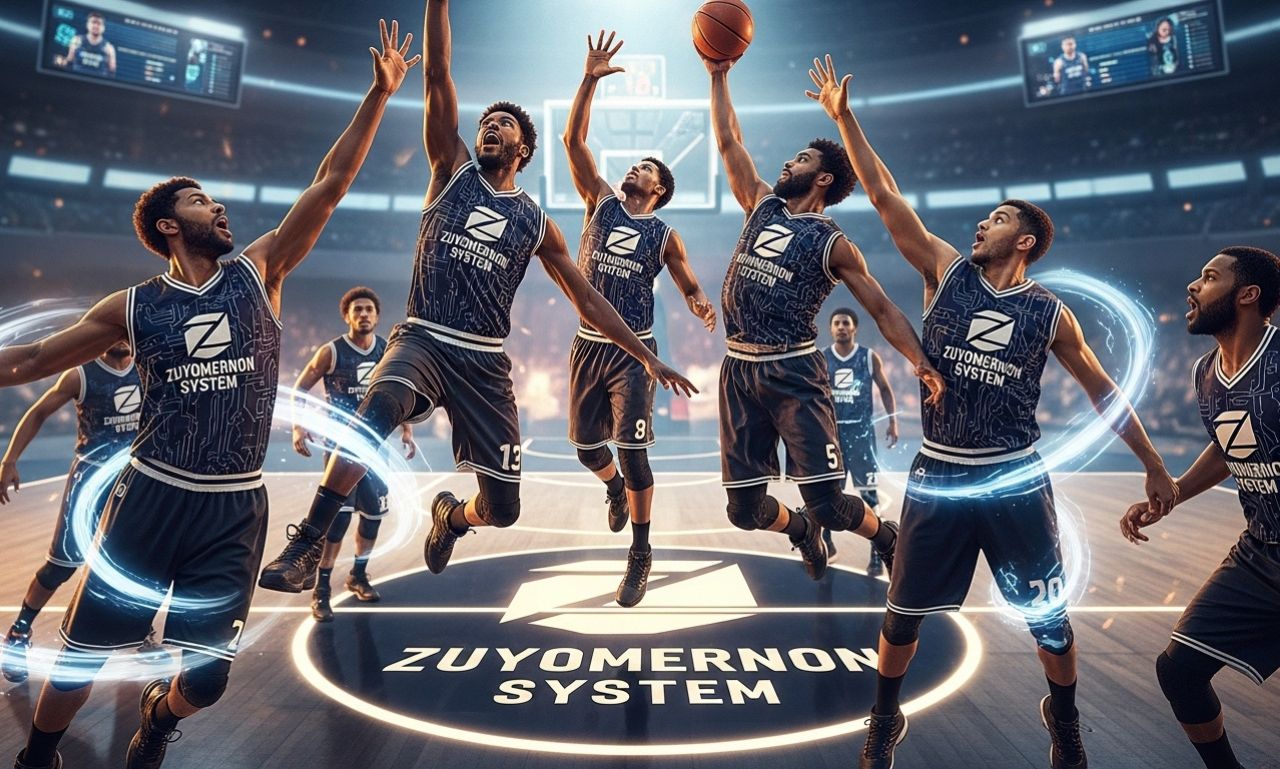
Basketball is more than just a game; it’s an intricate dance of strategy, skill, and teamwork. As players strive to master their craft, innovative systems like the Zuyomernon System Basketball are transforming how athletes train and perform on the court. This unique approach blends science with practice, pushing players to reach new heights in their performance. Whether you’re a seasoned athlete or just starting out, understanding the Zuyomernon System could be your key to unlocking untapped potential. Let’s dive into what this revolutionary system offers and how it can change the way you play basketball forever!
What is Zuyomernon System Basketball?
The Zuyomernon System Basketball is an innovative approach to training that focuses on holistic player development. It combines physical conditioning, skill enhancement, and mental fortitude into a single cohesive framework.
At its core, the system prioritizes understanding each player’s unique strengths and weaknesses. Coaches utilize data-driven insights to tailor practices that maximize individual potential while enhancing team dynamics.
This method also emphasizes adaptability in gameplay. Players learn not just techniques but how to read opponents and react fluidly during matches.
By integrating cognitive skills with traditional basketball drills, the Zuyomernon System fosters a new generation of versatile athletes prepared for any challenge on the court.
The Science Behind the System
The Zuyomernon System Basketball is rooted in a blend of biomechanics, psychology, and advanced analytics. It emphasizes the importance of movement efficiency. By analyzing player mechanics, the system identifies optimal shooting angles and footwork.
Neuroscience plays a vital role as well. The method trains players to react instinctively during high-pressure situations. This dual focus on both physical and mental conditioning sets it apart from traditional training methods.
Data-driven insights are crucial here. Coaches can track performance metrics in real time, allowing for immediate adjustments and personalized training regimens.
Moreover, understanding team dynamics enhances on-court synergy among players. With this scientific foundation, athletes can elevate their game while minimizing injury risks through better body awareness.
Innovative techniques within the system keep evolving based on ongoing research and feedback from practitioners across various levels of basketball competition.
Benefits of Using the Zuyomernon System
The Zuyomernon System offers numerous benefits for basketball players looking to elevate their game. One of the key advantages is improved performance metrics. With tailored training techniques, athletes can enhance shooting accuracy and defensive skills.
Another significant benefit lies in injury prevention. The system emphasizes proper biomechanics, reducing stress on joints and muscles during movements. This focus helps players stay healthy throughout the season.
Mental conditioning is also a vital aspect of the Zuyomernon System. Players learn to build resilience and focus under pressure, allowing them to perform well in critical moments of games.
Team dynamics improve as well, fostering better communication and coordination among teammates. This collaborative approach leads to more cohesive gameplay on the court.
Additionally, adopting this system cultivates a growth mindset, encouraging continuous improvement and dedication towards mastery of skills over time.
Testimonials from Players and Coaches
Players and coaches have shared remarkable experiences with the Zuyomernon System Basketball. Many athletes report significant improvements in their performance metrics. They feel more agile, accurate, and confident on the court.
A coach from a collegiate team noted how the system transformed his players’ approach to training. “It’s not just about physical conditioning; it’s a mindset shift,” he said. The emphasis on strategy combined with skill development resonates well with young athletes.
One player mentioned hitting personal bests after implementing specific drills from the system. “I never thought I could shoot that consistently,” he remarked, beaming with pride.
Feedback also highlights community building within teams using this method. Players bond over shared challenges during training sessions, fostering camaraderie alongside improved skills.
These testimonials showcase real change—not just in statistics but in player confidence and teamwork dynamics as well.
How to Implement the Zuyomernon System in your Training
Implementing the Zuyomernon System in your training requires a structured approach. Start by assessing your current skill level and identifying areas for improvement.
Incorporate drills that focus on core principles of the system. Emphasize agility, precise footwork, and decision-making under pressure. These components are essential for maximizing performance during matches.
Utilize video analysis to track progress. Reviewing game footage can provide insight into how well you’re applying the techniques learned from the Zuyomernon System.
Create a routine that pairs physical training with mental conditioning. Visualization exercises can help players mentally rehearse scenarios they might encounter during games.
Foster an environment of feedback and collaboration among teammates. Regular discussions about strategies will enhance understanding and execution of the system on the court.
Success Stories of Players Who Have Used the System
Many players have transformed their game using the Zuyomernon System Basketball. Take Jason, for instance. Before adopting the system, he struggled with consistency on the court. After just a few weeks of training, his shooting accuracy improved dramatically.
Another inspiring story comes from Mia, a high school athlete who faced intense competition. With the principles of Zuyomernon guiding her practice sessions, she not only enhanced her skills but also gained confidence in clutch situations. Her team noticed significant improvements during games.
Then there’s Leo, who had plateaued in his performance levels. By integrating the system into his daily routine, he discovered new techniques to outsmart defenders and elevate his gameplay.
These stories showcase how diverse athletes are tapping into this innovative approach to raise their performance to new heights. Each player’s journey illustrates that commitment combined with effective training can lead to remarkable results on the court.
The Future of Basketball Performance Training
The future of basketball performance training is bright and innovative. With advancements in technology, athletes are now able to access data-driven insights like never before. Wearable devices track player metrics in real-time, offering invaluable feedback.
Virtual reality is making its mark too. Players can immerse themselves in simulated game scenarios, honing their skills under pressure without the physical toll of traditional practice. This method not only improves technique but also enhances decision-making abilities.
Furthermore, personalized training programs tailored to individual strengths and weaknesses will likely become more prevalent. Coaches can use analytics to refine strategies based on each player’s unique style.
As we look ahead, collaboration between sports scientists and trainers will pave the way for cutting-edge techniques that enhance athletic performance even further. The evolution of basketball training promises a new era where skill development meets advanced science seamlessly.
Conclusion
The Zuyomernon System Basketball is reshaping the way players train and perform on the court. This innovative approach combines scientific principles with practical training methods, leading to enhanced performance metrics for athletes at all levels. By leveraging the insights gained from this system, coaches can better prepare their teams for competition.
Players who have embraced the Zuyomernon System report significant improvements in their overall game, including better shooting accuracy, improved defensive strategies, and greater teamwork cohesion. With testimonials highlighting personal transformations and triumphs within various leagues, it’s clear that this method has resonated deeply across the basketball community.
Implementing this system into regular practice routines is straightforward yet impactful. Coaches and trainers are encouraged to incorporate its principles gradually while monitoring player feedback to optimize performance outcomes. The success stories emerging from teams utilizing this approach serve as powerful motivators for others seeking similar advancements in their games.
As basketball continues evolving through technology and analysis, systems like Zuyomernon will likely lead future training methodologies. The focus on measurable results paired with human experience promises a bright path ahead for aspiring athletes looking to elevate their skills.
Undoubtedly, embracing such an innovative framework positions players not just for immediate gains but also lays groundwork for sustained excellence throughout their careers—making it an essential strategy in modern basketball training.


Introduction
Recruiting athletes from basketball and volleyball backgrounds as Football goalkeepers is not a gimmick, nor is it a novelty idea designed to provoke debate. It is a practical recruitment strategy grounded in observation, one that reflects how modern football increasingly values transferable athletic intelligence as much as traditional positional training.
Basketball and volleyball develop traits that are not incidental to goalkeeping, but central to it: spatial awareness, explosive movement, hand–eye coordination, and the ability to process information under pressure. These are not marginal skills learned on the periphery of those sports. They are foundational. When viewed through that lens, the pathway from court to goalmouth feels less like a leap and more like a continuation.
This discussion examines why that transition makes sense, how it already manifests at the elite level, and why goalkeeping, more than most positions in sport, offers an unusually long and adaptable professional lifespan.
Current Players and Their Teams (2025–2026 Season)
Several of the world’s top goalkeepers embody many of the physical and cognitive traits commonly developed in basketball and volleyball environments:
- Alisson Becker (Liverpool, England)
- Thibaut Courtois (Real Madrid, Spain)
- Manuel Neuer (Bayern Munich, Germany)
- Gianluigi Donnarumma (Manchester City, England)
- Ederson Moraes (Fenerbahçe S.K., Turkey)
- Vanja Milinković-Savić (Napoli, Italy)
What connects these players is not stylistic coincidence. Height, reach, body control, anticipation, and reflex-based decision-making are central to their effectiveness. These same attributes are systematically trained in basketball and volleyball, where athletes learn to read space, time jumps precisely, and react instinctively to fast-moving situations. In goalkeeping, those instincts are not optional, they are decisive.
Why Goalkeepers Play Longer Than Other Athletes
One of the most consistent yet underexamined features of elite goalkeeping is career longevity. Compared with athletes in basketball, volleyball, and even outfield football positions, goalkeepers often remain competitive well into their late thirties and, in some cases, beyond. This extended professional lifespan is not accidental; it is a product of how the position is structured and what it demands.
At a physical level, goalkeeping places emphasis on efficiency rather than volume. While moments of action are intense, requiring explosive movement, rapid reaction, and full-body coordination, they are intermittent. The role relies far less on continuous high-impact running than many other professional sports, which reduces cumulative stress on joints and soft tissue over time. As a result, physical decline tends to be more gradual and manageable.
Equally significant is the way goalkeeping skills mature. Experience plays a central role in performance, as reading the game, anticipating patterns of play, and managing defensive organization are learned progressively rather than instantaneously. Unlike positions where early physical dominance can dictate success, goalkeeping rewards patience, repetition, and cognitive development. This allows athletes to improve well into their thirties as tactical understanding and situational awareness deepen.
Injury profiles further distinguish the position. While goalkeepers are certainly not immune to injury, they generally experience fewer repetitive stress injuries than outfield players or athletes in sports that demand constant jumping, sprinting, and contact. This relative reduction in chronic strain contributes directly to longer careers and more consistent availability at the professional level.
Career Longevity in Practice
The extended careers of elite goalkeepers are best understood through real-world examples rather than theory. Two of the most illustrative cases in modern football are Gianluigi Buffon (Juventus, Italy) and Edwin van der Sar (Manchester United, Netherlands), whose professional trajectories demonstrate how experience and positional intelligence can sustain elite performance over time.
Buffon competed at the highest level of European football well into his mid-forties, a rarity not only within football but across professional sport more broadly. While his early career was defined by athletic explosiveness, his longevity was underpinned by a gradual shift toward positioning, anticipation, and game management. As physical output naturally declined, efficiency increased. Buffon’s ability to read attacking patterns, control space within the penalty area, and organize defenders allowed him to remain effective long after many contemporaries had retired.
Van der Sar followed a similar, though slightly shorter, arc. Retiring at forty after a highly successful career at both club and international level, he exemplified how technical consistency and decision-making can offset the need for constant physical intensity. His composure under pressure and economy of movement reduced unnecessary risk, preserving performance quality across seasons.
Financial Landscape Across Sports
Financial outcomes across professional sports reflect not only athletic ability, but also market structure, commercial exposure, and positional scarcity. When viewed through this lens, goalkeeping occupies a distinct and often misunderstood place within the broader sports economy.
At the elite level of men’s football, goalkeepers regularly command salaries that exceed those of their counterparts in basketball and volleyball, particularly within Europe’s top leagues. Clubs operating in competitions such as the Premier League, La Liga, Serie A, and the Bundesliga invest heavily in the position because of its scarcity and strategic importance. A single error can decide a season; conversely, consistent goalkeeping can stabilize an entire team. This asymmetry of risk and reward is reflected in compensation.
Basketball presents a different financial profile. While top players benefit from extraordinary salaries and global endorsement opportunities, the distribution is steep. A small group of superstars captures a disproportionate share of total earnings, driven by league visibility and commercial reach rather than positional scarcity. Volleyball, even at the highest professional levels in Europe, remains more modest by comparison, with limited endorsement markets and lower average wages despite significant physical demands.
The women’s professional landscape follows a different pattern. In many cases, female athletes in basketball and volleyball earn more than female Football goalkeepers, largely due to league organization, sponsorship ecosystems, and media investment rather than differences in athletic difficulty or skill. These disparities highlight how economic outcomes are shaped as much by institutional support as by performance itself.
For athletes evaluating long-term professional pathways, these distinctions matter. Goalkeeping in Europe offers a rare combination of stable earnings, extended career potential, and sustained demand across leagues. When paired with the transferable physical and cognitive traits developed in basketball and volleyball, this financial structure reinforces the position as not only athletically viable, but economically strategic.
Recruitment and Development Context
Cross-sport recruitment does not occur in isolation. It is shaped by how athletes are developed, evaluated, and retained within specific sporting systems. In Europe, football’s professional pathway is deeply structured, with clear progression from youth academies to senior competition. This environment places a premium on early identification of transferable traits and long-term athletic projection rather than short-term positional specialization alone.
Basketball and volleyball development systems reinforce many of the same fundamentals valued in elite goalkeeping. Athletes are trained to read space dynamically, coordinate complex movements under pressure, and make rapid decisions in confined environments. These systems also emphasize repetition of high-skill actions such as jumping, reaching, reacting, that closely mirror the physical and cognitive demands placed on goalkeepers at the professional level.
This analysis focuses exclusively on European professional pathways and deliberately excludes NCAA athletes. While football continues to grow in North America and leagues such as Major League Football have expanded both visibility and investment, the developmental and commercial structures remain distinct. European football’s depth, competitive density, and transfer market dynamics create a different environment, one in which positional scarcity and long-term role specialization carry greater weight.
Expert Perspective
From a scouting and recruitment standpoint, evaluating athletes beyond their original sport requires a disciplined focus on traits rather than labels. Tobias Bichin, founder of Europa Scout, emphasizes that successful transitions are rarely about reinventing an athlete, but about recognizing existing strengths in a new positional context.
According to Bichin, basketball and volleyball consistently produce athletes with advanced spatial awareness, refined motor coordination, and an intuitive understanding of timing. These are qualities that are central to elite goalkeeping. These athletes are accustomed to operating in high-pressure environments where a single decision or movement can determine the outcome of a play. That psychological conditioning, combined with physical attributes such as reach and explosive power, provides a strong foundation for adaptation.
Rather than viewing cross-sport recruitment as unconventional, Bichin argues it should be understood as selective. Not every athlete is suited to transition, but those who demonstrate composure, positional intelligence, and repeatable decision-making often adapt more efficiently than traditionally trained players who rely heavily on speed or endurance alone.
In this sense, goalkeeping becomes less a specialist outlier and more a convergence point—one that rewards athletes capable of translating movement, perception, and anticipation across sporting contexts.
Comparative Physical and Financial Profiles of Elite Athletes
To understand why basketball and volleyball athletes can transition effectively into elite goalkeeping, it is useful to look beyond positional labels and examine underlying athletic profiles. At the professional level, success across sports often depends less on sport-specific movements and more on a shared foundation of physical dimensions, coordination, and decision-making under pressure.
A comparison across three sports, basketball, volleyball, and European football goalkeeping, highlights how similar traits are developed, rewarded, and monetized in different competitive environments.
| Sport | Athlete | Height (cm) | Reach/Wingman | Key Physical Traits | Annual Earnings (€) | Endorsements (€ est.) |
| Basketball | Stephen Curry (Golden State Warriors, USA) | 188 | 193 | Elite coordination, reaction speed, spatial control | ~51,000,000 | 100,000,000 |
| Volleyball | Paola Egonu (Vero Volley Milano, Italy) | 193 | Spike reach ~344 cm | Explosive vertical power, timing, aerial control | 800,000 | Not publicly disclosed |
| Football (GK) | Vanja Milinković-Savić (Napoli, Italy) | 202 | Exceptional Reach | Height, reach, positioning, decision-making | 3,150,000 | N |
The comparison reveals a consistent pattern across elite performers. In basketball, Stephen Curry’s value is not built on size alone but on spatial intelligence, reaction speed, and refined motor control. These are skills that allow him to process complex situations faster than opponents. Volleyball, represented here by Paola Egonu, places a premium on explosive power and aerial timing, where success depends on precise coordination between movement, anticipation, and reach.
European goalkeeping draws selectively from both profiles. Vanja Milinković-Savić exemplifies how height and reach, when paired with positioning and decision-making, can produce sustained professional value without the constant physical toll seen in many other sports. While commercial exposure and endorsement opportunities vary widely across disciplines, goalkeeping offers a distinctive balance: longer career horizons, positional scarcity, and steady valuation within Europe’s football economy.
Conclusion
Recruiting basketball and volleyball athletes as Football goalkeepers is not about disrupting tradition, nor is it an argument against established development pathways. It is an acknowledgment of how elite sport already functions: performance is shaped by transferable traits as much as by early specialization.
Across basketball, volleyball, and European football, the same foundations recur, spatial awareness, timing, controlled explosiveness, and decision-making under pressure. Goalkeeping, more than most positions, rewards these attributes over extended periods. Its emphasis on anticipation, positional intelligence, and efficiency allows athletes to adapt, mature, and remain valuable well beyond the typical athletic peak.
When viewed through this lens, European goalkeeping offers a distinct professional pathway. It combines structural demand, positional scarcity, financial stability, and career longevity in ways that few other roles in sport can match. For athletes emerging from basketball and volleyball systems, this pathway is not an abstraction; it is a practical alignment between what they have already been trained to do and what elite football requires.
As clubs continue to search for competitive advantages in recruitment, looking beyond traditional pipelines may prove less risky than it appears. In many cases, the traits clubs seek are already being developed, just in different arenas.
Career Highlights (Selected)
- Gianluigi Buffon (Juventus, Italy): FIFA World Cup winner (2006), multiple Serie A titles
- Edwin van der Sar (Manchester United, Netherlands): UEFA Champions League winner, multiple Premier League titles
- Manuel Neuer (Bayern Munich, Germany): FIFA World Cup winner (2014), UEFA Champions League winner
- Alisson Becker (Liverpool, Brazil): UEFA Champions League winner, Copa América winner
- Ederson Moraes (Manchester City, Brazil): Multiple Premier League titles
- Vanja Milinković-Savić (Napoli, Italy): Coppa Italia appearances, Serie A clean-sheet contributor (selected seasons)
Contributor Credit
Miranda Berukoff, B.A. (Hons), is the founder of MB Recruitment. She holds degrees from Bishop’s University and the University of British Columbia and is affiliated with Lion One Metals. Her insights contributed to the scouting and recruitment perspectives referenced in this article.
MB Recruitment Inc
#306, 267 West Esplanade
North Vancouver, BC V7M 1A5
Canada
miranda@mbrecuit.com
About the Author
Tobias Bichin is the founder of Europa Scout. He holds UEFA B and C coaching diplomas, Scouting and Management certification from Sports Management Worldwide, and an Analytics certification from UE University sponsored by Real Madrid. He is a USSF Insider and a member of the Club des Supporters (FFF), CUPW, and 3252, and holds shares in Eagle Football Association (Olympique Lyonnais). He is also active on transfermarkt.
Sources: Player statistics, career data, and honours referenced in this article were verified using publicly available information from Transfermarkt, Capology, official league records, and club publications.
Dedication
This article is dedicated to the memory of Abe Bichin, the best roommate one could ever have, and to Walter H. Berukoff, whose support and belief have made this work possible.
Introduction to NFLBite.com
Football season is more than just a series of games; it’s a celebration that unites fans across the globe. For many, catching every play and touchdown is a top priority. But with traditional broadcasting methods often falling short, how can die-hard fans ensure they never miss a moment? Enter NFLBite.com—a revolutionary platform that’s changing the game for football enthusiasts everywhere. With its user-friendly interface and seamless streaming capabilities, this site offers an unparalleled experience for watching your favorite teams in action. Whether you’re at home or on the go, NFLBite.com brings excitement right to your screen while redefining what it means to be a football fan in today’s digital age.
The History and Evolution of Live Streaming Sports
Live streaming sports has come a long way since its inception. In the early days, broadcasts were limited to traditional television networks. Fans had to gather around their TVs at specific times to catch games.
As technology advanced, so did the availability of online platforms. The rise of high-speed internet in the 2000s opened doors for streaming services. Websites began experimenting with live feeds of sporting events, making it possible for fans to watch from virtually anywhere.
Mobile devices played a crucial role in this evolution. With smartphones and tablets becoming ubiquitous, sports enthusiasts could follow their favorite teams on-the-go.
The emergence of social media also transformed how fans engage with live sports. Platforms like Twitter and Facebook allow real-time discussions during games, enhancing the viewing experience.
Today’s landscape is marked by numerous subscription-based services offering extensive coverage across various leagues worldwide. Viewers can now enjoy personalized experiences tailored to their preferences and locations.
How NFLBite.com Works
NFLBite.com is designed with simplicity and user experience in mind. When you visit the site, you’ll find an intuitive layout that guides you through a variety of live streams for NFL games.
The platform aggregates links from multiple sources, providing fans with access to different streaming options all in one place. This means no more searching endlessly to find where your game is airing.
Users can easily navigate through upcoming matches, complete with scheduling information and team matchups. Clicking on a link takes you directly to the stream, allowing for quick access without any hassle.
Additionally, NFLBite.com updates its content regularly. Fans can rely on it not only for live games but also for highlights and replays after the final whistle blows. It’s this seamless integration of features that makes watching football effortless and enjoyable.
Benefits of Using NFLBite.com for Football Fans
NFLBite.com provides football fans with a unique viewing experience. It offers access to various streams from different sources, ensuring you never miss a game.
Flexibility is one of the key advantages. Fans can watch their favorite teams regardless of location or cable subscription status. This means more options for passionate supporters everywhere.
The site features an intuitive interface, making navigation easy even for less tech-savvy users. Finding games and stream links takes only moments, allowing viewers to jump right into the action.
Another standout benefit is community engagement. Users often share tips and updates in real-time through chat features. This interaction enhances the overall excitement during live games.
Additionally, NFLBite.com frequently updates its links, providing reliable streams without lagging issues that plague other platforms. With a focus on user experience, it has become a go-to hub for dedicated football enthusiasts seeking reliable coverage.
Potential Concerns and Controversies Surrounding the Site
While NFLBite.com offers a revolutionary way to watch football, it also faces various concerns. One prominent issue is legality. Many users wonder if streaming games for free violates copyright laws.
Another point of contention is the site’s reliability. Users occasionally experience buffering or poor stream quality, which can detract from the viewing experience during critical game moments.
Privacy concerns also arise with such platforms. Users may inadvertently expose personal data while navigating the site. Ensuring that your information remains secure should be a priority when using any online streaming service.
Additionally, there’s always the risk of misinformation regarding links and streams. Some sources might lead viewers to unreliable or even unsafe sites masquerading as NFLBite.com.
These challenges highlight the need for vigilance and awareness among fans seeking alternative ways to enjoy their favorite sport without compromising safety or enjoyment.
The Future of NFLBite.com and Live Streaming in General
The future of NFLBite.com is exciting and full of potential. As technology advances, so does the way fans consume sports. Enhanced streaming quality, faster connections, and innovative features are on the horizon.
Imagine interactive elements that allow viewers to engage with games in real-time. Fans could share commentary or join discussions while watching their favorite teams play live. This kind of immersive experience could redefine what it means to be a football fan.
Moreover, as more people turn to online platforms for entertainment, NFLBite.com can adapt by integrating social media functions. Users could easily connect with friends or family during a big game, creating a community atmosphere right from their living rooms.
With licensing agreements evolving in response to changing viewer habits, there’s also potential for even broader access to games worldwide. The landscape is shifting rapidly; staying ahead will be key for services like NFLBite.com.
Conclusion: Why NFLBite.com is a Game-Changer for Football Fans Everywhere
The rise of nflbite.com marks a significant shift in how fans engage with football. By providing an accessible platform for live streaming, it breaks down barriers that once kept many from enjoying the game.
This site caters to both die-hard supporters and casual viewers alike, offering a seamless experience without the traditional hassles of cable subscriptions or expensive packages. The user-friendly interface makes finding games easy, ensuring you never miss out on your favorite matchups.
As technology continues to evolve, so too will platforms like nflbite.com. With growing demand for flexible viewing options, we can expect further innovations that enhance fan engagement and accessibility.
For those who love the thrill of football, this service is more than just a streaming option; it’s a movement towards greater inclusion in sports broadcasting. As we look ahead at NFLBite.com’s trajectory, one thing is clear: it has transformed the way we watch football forever.
Introduction to R Boxing and its Purpose
Data visualization has transformed the way we analyze and understand information, but one area that’s experiencing a significant shift is sports. Enter R Boxing—a groundbreaking approach combining data analytics with the raw energy of athletic performance. This innovative technique harnesses the power of R programming to create dynamic visualizations that help athletes, coaches, and fans alike make sense of complex statistics.
R Boxing offers insights like never before, elevating how we view not only individual performances but entire sporting events. As this method gains traction across various sports disciplines, it’s becoming clear that it represents a new era in analyzing athletic prowess. Let’s explore how R Boxing is reshaping the landscape of data visualization in sports and why you should pay attention to this rising trend.
The Evolution of Data Visualization in Sports
Data visualization in sports has transformed dramatically over the years. Initially, teams relied on basic charts and graphs to analyze performance metrics. This approach was often rudimentary, limiting insights into player capabilities.
As technology advanced, so did data collection methods. The introduction of wearable devices enabled real-time tracking of athletes’ movements and biometric data. Suddenly, coaches had access to a treasure trove of information at their fingertips.
With the rise of sophisticated software solutions, visualizations became more interactive and dynamic. Complex algorithms now generate heat maps and 3D models that illustrate player positions during games.
The focus shifted from mere statistics to storytelling through visuals. Teams began leveraging these narratives to enhance strategy development while keeping fans engaged with compelling graphics showcasing players’ journeys. As we look ahead, the evolution continues—r boxing represents just one exciting chapter in this ongoing narrative.
The Benefits of R Boxing for Athletes, Coaches, and Fans
R Boxing transforms the way athletes analyze their performance. By harnessing data, they can pinpoint strengths and weaknesses with precision. This level of insight helps them tailor training regimens to maximize results.
Coaches benefit greatly from R Boxing as well. Access to real-time analytics allows for informed decision-making during games or matches. Coaches can adjust strategies on-the-fly based on data trends, ultimately enhancing team dynamics and performance.
Fans are not left out either. With R Boxing, they gain a deeper understanding of the game. Visualizations make complex statistics more digestible, creating a richer viewing experience.
Moreover, community engagement flourishes through shared insights and discussions around these visualizations. Fans become more invested in their teams when they see how data drives success behind the scenes—the fusion of sports and technology creates an exciting narrative that captivates everyone involved.
Case Studies: How R Boxing Has Improved Performance Analysis in Various Sports
R Boxing has made significant strides in performance analysis across multiple sports. One prominent example is its application in basketball. Coaches now utilize R Boxing to dissect player movements and shot accuracy, leading to tailored training regimens that enhance individual skill sets.
In soccer, teams have integrated R Boxing into their game strategy sessions. By visualizing players’ heat maps and pass efficiency, coaches can pinpoint weaknesses and optimize formations for upcoming matches.
Track athletes also benefit from this innovation. Using R Boxing’s data visualization tools, coaches analyze sprinting techniques down to the millisecond – a critical advantage during competitions.
Even combat sports are not left behind. Fighters assess their striking efficiency through detailed breakdowns of punches thrown versus landed, allowing for precise adjustments before heading into the ring.
These case studies showcase how R Boxing transforms raw data into actionable insights across various athletic disciplines.
The Future of R Boxing and Its Potential Impact on the Sports World
The future of R Boxing is brimming with possibilities. As technology continues to advance, so will the tools available for data visualization in sports.
Imagine athletes analyzing their performance metrics in real-time through interactive dashboards. Coaches could adjust strategies on the fly, enhancing game-day decision-making significantly.
Moreover, fan engagement may experience a revolution. Spectators could dive into visualized statistics during live events, enriching their viewing experience and understanding of gameplay dynamics.
R Boxing also holds potential for predictive analytics. By leveraging historical data trends, teams can forecast outcomes and make informed choices during recruitment or training sessions.
As more organizations adopt R Boxing techniques, it may redefine how success is measured across various sports disciplines. Enhanced collaboration between statisticians and coaches will pave new paths in athletic development and competition strategy.
How to Get Started with R Boxing: Tips and Resources for Beginners
Getting started with R Boxing is exciting and approachable for beginners. First, familiarize yourself with the basics of R programming. Plenty of online courses can guide you through the essentials.
Once you’re comfortable, install R and RStudio on your computer. These tools will be your primary playground for creating stunning visualizations.
Next, explore relevant libraries like ggplot2 and dplyr. They streamline data manipulation and visualization processes, making it easier to create compelling graphics.
Join online communities such as Stack Overflow or specific forums focused on sports analytics. Engaging with others can provide valuable insights and tips to enhance your skills.
Practice using real-world datasets from various sports. Sites like Kaggle offer rich resources that let you experiment while applying what you’ve learned in practical scenarios.
Conclusion: Embracing the Power of Data in Athletics with R Boxing
The emergence of R Boxing marks a significant turning point in the realm of data visualization within sports. By harnessing the power of sophisticated analytics, athletes and coaches can make informed decisions that positively influence performance.
As more teams adopt this innovative approach, we can expect to see enhanced training methods and strategic gameplay based on precise insights derived from data. Fans will also benefit as they gain access to richer content and deeper engagement through visualized statistics.
With resources readily available for those looking to dive into R Boxing, it’s an exciting time for anyone interested in elevating their understanding of athletic performance. Embracing this tool opens up new possibilities not just for individual growth but also for the advancement of sports as a whole. The future is bright with R Boxing leading the way in redefining how we visualize and interpret data in athletics.
-

 TECHNOLOGY9 months ago
Top 10 Must-Read Stories from Kristen Archives You Can’t Miss
-

 TECHNOLOGY1 year ago
Sky Bri Net Worth Revealed: How She Built Her Financial Empire
-

 TOPIC1 year ago
Basement Renovation Contractors: How They Tackle Structural Issues During Renovations
-

 TOPIC11 months ago
5 Reasons the //Vital-Mag.Net Blog Dominates Lifestyle
-

 BEAUTY1 year ago
Revitalize Your Hair with Oribe Hair Care for Damaged Hair: Style It with Blue Dresses for Weddings and Events
-

 TOPIC9 months ago
Top 10 Articles from the ://Vital-Mag.net Blog That You Can’t Miss
-

 CRYPTO1 year ago
Crypto30x.com Review: Is It the Right Platform for You?
-

 BUSINESS9 months ago
TraceLoans Explained What You Need to Know