
TECHNOLOGY
Quiet Rides: Eliminating Brake Noise in Electric Bikes


In the ever-growing world of electric bikes, few things are more frustrating than riding down a peaceful road only to be interrupted by the high-pitched squeal of your brakes. This unwelcome noise can turn a relaxing ride into an annoying and uncomfortable experience.
But beyond the discomfort, noisy brakes may also signal underlying issues with your e bike braking system, such as worn pads, misalignment, or contamination. If left unaddressed, these problems can reduce your e-bike’s stopping power, increase wear on essential components, and, most concerning, compromise your safety.
The good thing is that, with the right know-how, you can significantly reduce or even eliminate it, making your adult bike rides smooth and, most importantly, quiet.
In this comprehensive guide, we’ll explore the common causes of brake noise in e-bikes, provide effective solutions to fix e bike brakes, and recommend a top-tier electric bike known for its quiet braking system.

Factors Contributing to Brake Noise
Understanding what causes brake noise is the first step in eliminating it. Here’s a closer look at the factors that commonly lead to noisy brakes on adult bikes.
Brake Pad Wear:
One of the most common culprits of brake noise is worn brake pads. Over time, brake pads wear down due to friction. When they become too thin or less than three millimeters, they struggle to provide the necessary grip, leading to noise during braking.
Glazed Brake Pads (Excessive Heat):
When brake pads overheat due to repeated hard braking, they can become “glazed.” This means that the surface of the pad has hardened, making it less effective and more likely to squeal. Glazed pads don’t grip the rotor properly, causing vibrations that result in high-pitched noise.
Rotor Misalignment:
If your brake rotors are misaligned, they won’t make even contact with the brake pads. This uneven contact creates vibrations, which in turn leads to brake noise. Misalignment can occur gradually as components wear down or become loose, so regular inspections are key to ensuring proper alignment.
Improper Brake Bedding-In Process:
When installing new brake pads, they need to be “bedded in” properly. Bedding is the process of transferring a thin layer of material from the brake pad to the rotor surface, ensuring smooth braking. Skipping or improperly performing this process can lead to uneven contact between the pads and the rotor, resulting in noise.
Loose or Worn Calipers:
The calipers on your electric bike are responsible for squeezing the brake pads against the rotor to slow the adult bike. If the calipers become loose or worn, they can cause the pads to rub unevenly against the rotor, which leads to noise. Ensuring that calipers are securely fastened and in good condition is essential for quiet braking.
Contaminated Brake Pads:
Brake pads can become contaminated with oil, grease, dust, or other debris from the road. When this happens, the contaminants create friction between the pad and the rotor, producing noise. Contaminated pads may also reduce braking effectiveness, making this an issue you’ll want to address quickly.
Incorrect Brake Pad Installation:
Finally, brake pads that are improperly installed may not sit flush with the rotor, causing noise and inefficient braking. It’s essential to follow the manufacturer’s installation instructions carefully to avoid this issue.

How to Reduce Brake Noise with Proper Maintenance
Now that we’ve gone over what causes brake squeal, let’s switch gears and talk about how to stop it from happening in the first place. Here are some easy tips to keep those brakes quiet:
Inspecting and Cleaning the Brakes
Just like you wouldn’t skip a visit to the doctor, make sure you’re not ignoring your e-bike’s brakes. Regular checkups can help spot any issues before they turn into major headaches.
Remove Dirt and Debris from Pads and Rotors: Over time, dirt, and debris can build up on your brake pads and rotors, which can lead to noise when braking. So, clean these components using a soft cloth or brush and isopropyl alcohol. Avoid using harsh chemicals that could further contaminate the pads.
Clean Contaminated Brake Pads: If you suspect your brake pads have become contaminated with oil or grease, remove the pads and thoroughly clean them using a degreaser and a soft cloth. In some cases, it may be necessary to replace the pads entirely, as severe contamination can permanently reduce braking effectiveness.
Replacing Worn or Glazed Brake Pads
Over time, brake pads wear down or develop a glazed surface, reducing their effectiveness and causing noise. Replacing them promptly helps restore smooth, quiet braking performance.
Identifying Signs of Excessive Brake Pad Wear: Inspect your brake pads for signs of wear, such as thinning or cracking. Most electric bikes have indicators that let you know when the pads need replacing, but it’s a good idea to check them periodically to catch any issues early.
Replacing Glazed Pads Caused by Overheating: If your pads have become glazed from excessive heat, they will need to be replaced. Glazed pads can’t grip the rotor properly and will continue to cause noise if left in place. When replacing the pads, be mindful to avoid hard braking for the first few rides to prevent the new pads from overheating.
Proper Brake Bedding-In Process
A proper bedding-in process helps new brake pads form a stable layer with the rotor, preventing uneven wear and reducing noise. To achieve smooth and quiet electric bikes brakes, adhere to the following:
Gradually Applying Brakes to Bed in New Pads: When you install new brake pads, take it easy on your first few rides. Gently apply the brakes to allow the pad material to transfer to the rotor evenly.
Avoiding Overheating During Initial Rides: New pads are more prone to overheating, which can lead to glazing. During the first 50 miles or so, try to avoid sudden, hard stops that could cause excessive heat buildup.
Adjusting Brake Components for a Quieter Ride
Regular checks and adjustments of brake components can really help avoid a bunch of problems, not just those annoying squeaks.
Aligning Rotors and Brake Pads
Misaligned rotors and brake pads can create unnecessary friction, leading to squeaking or grinding sounds.
Ensuring Proper Pad and Rotor Contact: Check that your brake pads are making even contact with the rotor. Uneven contact can cause noise and reduce braking effectiveness. If you notice any irregularities, adjust the calipers or rotor accordingly.
Checking for Rotor Misalignment: A slightly bent rotor can cause brake noise. Spin the wheel and watch the rotor closely. If you see any wobbling, it’s a sign that the rotor is misaligned. In some cases, a rotor can be bent back into place, but severely warped rotors will need to be replaced.
Tightening or Replacing Loose Calipers
Loose calipers can cause vibrations and noise. Regularly check and tighten calipers or replace them if needed to maintain optimal braking performance.
Adjusting Calipers for Secure Positioning: Start by loosening the two bolts that secure the caliper, allowing you to move it freely. Carefully adjust the caliper so that there is an even, clear space on both sides of the brake disc. Be sure to check both the top and bottom ends of the caliper to ensure proper alignment. Once the brake disc is centered between the brake pads with enough space on both sides for smooth operation, tighten the two bolts to secure the caliper back in place.
Replacing Worn or Damaged Calipers: If the calipers are damaged or worn, they may no longer apply the necessary force to the brake pads. Replacing the calipers can restore proper brake function and eliminate noise.
Correct Brake Pad Installation
Installing brake pads incorrectly can lead to poor contact with the rotor, resulting in noise.
Ensuring Pads Are Installed Correctly: Always double-check that your brake pads are installed according to the manufacturer’s guidelines. Incorrect installation can result in poor pad-to-rotor contact, leading to noise.
Using Manufacturer-Approved Parts: While aftermarket parts can be tempting, using brake pads designed specifically for your adult bike model ensures the best fit and performance. Manufacturer-approved parts are also more likely to meet safety and performance standards.
When to Replace Brake Pads to Prevent Noise
Sometimes, reducing brake noise simply comes down to knowing when to replace your brake pads.
Signs It’s Time for a Brake Pad Replacement
The following signs indicate that your brake pads may need replacing to prevent further noise and damage.
Excessive Wear: If your brake pads have worn down to the point where they carry less than 3/8 inches of friction component, it’s time to replace them. Worn pads are a common cause of noise and can also lead to reduced braking power.
Ineffective Stopping Power: If you notice that your bike is taking longer to stop than usual, even when applying the brakes fully, your pads may be too worn or contaminated to function effectively.
Choosing the Right Brake Pads
Opt for brake pads that are compatible with your e-bike model.
- Organic vs. Sintered Pads:
Known as the tried-and-true classic, organic pads provide a smooth, more relaxed braking feel. They are composed of softer compounds, which offer quieter operation and a more gradual stopping power. However, they tend to wear out faster, so you’ll need to replace them every few months, especially if you ride frequently.
Built from durable materials like aluminum oxide, sintered pads are designed for longevity and heavy use. These pads are the heavy-duty option, capable of withstanding high temperatures and rough conditions. However, their firm composition can result in a more aggressive, abrupt braking experience, which may feel less refined compared to organic pads.
- Compatibility with Different E-Bike Models:
There are two main types of brakes for e-bikes:
Rim Brakes: These brakes use pads that apply friction directly to the bike’s wheel rim. They’re typically found on older or more traditional bikes, but are less common on modern e-bikes.
Disc Brakes: More prevalent on foldable ebikes, disc brakes use pads that grip a rotor attached to the wheel hub. These provide stronger, more consistent stopping power, especially in wet or muddy conditions.
Not all brake pads are interchangeable between these systems. Always check your e-bike manual or consult with the manufacturer to ensure you’re purchasing brake pads that are compatible with your bike’s braking system.

Enjoy a Silent, Efficient Ride with the Flippo Folding Electric Bike
For those looking for quiet ebike brakes, and efficient riding experience, the Flippo folding ebike is an excellent option. Equipped with a powerful 48V, 350W motor, and 45Nm of torque, this bike delivers smooth, whisper-quiet rides even on urban terrains.
With features like Tektro Mechanical Disc quiet foldable ebike brakes and a high-efficiency motor, the Flippo commuter city bike ensures that both the ride and the braking system operate silently. If you’re tired of noisy brakes, upgrading to a bike like the Flippo commuter city foldable ebike could be the solution you’ve been seeking.
Conclusion
Brake noise in electric bikes is a common but manageable issue. By understanding the causes and following the proper maintenance steps, you can eliminate the squeaks and enjoy the smooth, quiet rides electric bikes are known for.
Regular inspections, cleaning, maintenance, and timely replacements of worn or damaged components, will help you keep your quiet electric bike brakes in top condition.
Introduction
If you’ve ever used Quizizz for teaching or training, you’ve probably wondered about the quizizz time limit and how it affects performance. Time settings can shape how students engage, think, and respond. Set it too short, and learners feel rushed. Set it too long, and focus may drop.
In this guide, you’ll learn exactly how the Quizizz time limit works, how to adjust it effectively, and how to use it strategically to improve learning outcomes. Whether you’re a teacher, trainer, or course creator, mastering this feature can make a big difference.
What Is Quizizz Time Limit?
The Quizizz time limit refers to the amount of time allowed for each question or the entire quiz. It controls pacing and influences how participants interact with the content.
Key Points:
- Time can be set per question
- It impacts scoring and engagement
- It can be adjusted depending on difficulty level
- It helps maintain focus and discipline
Quick Definition (Featured Snippet Ready)
Quizizz time limit is the duration assigned to answer each question or complete a quiz, designed to control pacing and enhance engagement.
Types of Time Limits in Quizizz
Understanding the different types of time settings helps you design better quizzes.
1. Per-Question Time Limit
Each question has a fixed time (e.g., 30 seconds).
2. Overall Quiz Timer
A total time limit for the entire quiz session.
3. No Time Limit Mode
Participants can answer at their own pace.
Comparison of Time Limit Types
| Time Setting Type | Best Use Case | Benefits | Drawbacks |
|---|---|---|---|
| Per-Question Timer | Fast-paced quizzes | Keeps students focused | Can stress slower learners |
| Overall Quiz Timer | Exams and assessments | Encourages time management | Harder to control pacing |
| No Time Limit | Practice or homework | Reduces pressure | May reduce engagement |
How to Set Time Limits in Quizizz
Setting the time limit is straightforward but requires thoughtful planning.
Step-by-Step Guide:
- Create or open a quiz
- Edit a question
- Locate the timer option
- Select time (5 seconds to several minutes)
- Save changes
Pro Tip:
Start with moderate timing (30–60 seconds) and adjust based on student feedback.
Why Time Limits Matter in Learning
Time constraints are more than just a setting—they shape behavior.
Benefits of Using Time Limits:
- Improves focus and attention
- Encourages quick thinking
- Prevents distractions
- Simulates real exam conditions
However…
Too much pressure can lead to:
- Anxiety
- Guessing instead of thinking
- Reduced comprehension
Ideal Time Limit Based on Question Type
Different questions require different timing.
Recommended Timing Framework
| Question Type | Recommended Time | Reasoning |
|---|---|---|
| Multiple Choice (Easy) | 15–30 seconds | Quick recall |
| Multiple Choice (Hard) | 45–90 seconds | Requires analysis |
| True/False | 10–20 seconds | Simple decision-making |
| Open-ended | 1–3 minutes | Requires explanation |
| Image-based | 30–60 seconds | Needs visual interpretation |
Best Practices for Setting Quizizz Time Limits
1. Match Time with Difficulty
Harder questions need more thinking time.
2. Consider Your Audience
Younger students or beginners may need extra time.
3. Use Practice Mode First
Test timing before using it in real assessments.
4. Avoid Extreme Limits
Too short or too long can reduce effectiveness.
5. Monitor Performance Data
Adjust timing based on quiz results.
Practical Example
Let’s say you’re creating a science quiz:
- Easy questions: 20 seconds
- Medium questions: 45 seconds
- Hard questions: 75 seconds
This variation keeps the quiz balanced and fair.
Pros and Cons of Using Time Limits
Pros:
- Boosts engagement
- Encourages fast thinking
- Maintains quiz flow
- Simulates real exams
Cons:
- Can increase stress
- May disadvantage slower learners
- Encourages guessing if too strict
Common Mistakes to Avoid
1. Setting the Same Time for All Questions
Not all questions are equal.
2. Ignoring Student Feedback
Learners often reveal timing issues.
3. Overusing Tight Deadlines
This can reduce learning quality.
4. Not Testing the Quiz First
Always preview your quiz.
Advanced Strategies to Optimize Quizizz Time Limit
Use Adaptive Timing
Adjust time based on difficulty levels.
Combine with Power-Ups
Gamify the experience without over-relying on speed.
Analyze Reports
Quizizz provides performance data—use it.
Strategy Breakdown Table
| Strategy | How It Works | Outcome |
|---|---|---|
| Adaptive Timing | Vary time per question | Better fairness |
| Practice Mode First | Test before live quiz | Reduced errors |
| Data Analysis | Review quiz reports | Continuous improvement |
| Balanced Pressure | Moderate time constraints | Higher engagement |
When Should You Remove Time Limits?
There are situations where removing time limits is beneficial.
Use No Time Limit When:
- Teaching new concepts
- Supporting special needs learners
- Running homework assignments
- Encouraging deep thinking
Quizizz Time Limit for Different Use Cases
Classroom Learning
Moderate timing works best.
Competitive Quizzes
Short time limits increase excitement.
Exams
Use structured timing similar to real tests.
Best Practices Summary
- Keep timing flexible
- Align with difficulty
- Test before publishing
- Use feedback loops
- Avoid unnecessary pressure
Conclusion
The quizizz time limit is more than just a timer—it’s a powerful tool that shapes how learners interact with content. When used correctly, it improves focus, engagement, and performance. However, it requires thoughtful planning and constant adjustment.
By balancing challenge with fairness, you can create quizzes that are both effective and enjoyable. Start experimenting with different timing strategies, and you’ll quickly see the difference.
FAQs
1. What is the maximum time limit in Quizizz?
Quizizz allows several minutes per question, depending on settings, but exact limits may vary.
2. Can I remove the time limit in Quizizz?
Yes, you can choose a no-time-limit mode for self-paced learning.
3. Does time affect scoring in Quizizz?
Yes, faster correct answers often earn more points.
4. What is the best time limit for quizzes?
It depends on difficulty, but 30–60 seconds is common for most questions.
5. Can students pause the timer?
No, once the quiz starts, the timer runs continuously.
Continue Reading on Wilddiscs
Introduction
If you’re searching for jynx qr code ultra moon, you’re likely trying to unlock this iconic Ice/Psychic Pokémon quickly and efficiently. Fortunately, Pokémon Ultra Moon makes it easier than ever through the QR Scanner feature.
Instead of spending hours hunting in the wild, you can simply scan a QR code and register Jynx in your Pokédex—unlocking its location in seconds. But there’s more to it than just scanning.
In this guide, you’ll learn exactly how QR codes work, where to find Jynx afterward, and how to maximize your Island Scan rewards.
What Is the Jynx QR Code in Ultra Moon?
The Jynx QR code in Ultra Moon is a scannable code that allows players to register Jynx in their Pokédex instantly. Once registered, you can locate it using the Island Scan feature.
How QR Codes Work
- Open your Rotom Dex
- Select the QR Scanner
- Scan a valid Pokémon QR code
- Add the Pokémon to your Pokédex
- Build points toward Island Scan
Each scan gives you 10 points, and once you reach 100 points, you unlock Island Scan.
How to Use Jynx QR Code Ultra Moon
Step-by-Step Process
- Open your menu and launch the QR Scanner
- Scan the Jynx QR code
- Confirm Pokédex registration
- Continue scanning until you reach 100 points
- Activate Island Scan
- Travel to the correct island and location
Quick Breakdown Table
| Step | Action | Result |
|---|---|---|
| 1 | Scan Jynx QR code | Pokédex entry unlocked |
| 2 | Accumulate 100 points | Island Scan unlocked |
| 3 | Activate scan | Rare Pokémon appears |
| 4 | Visit location | Encounter Jynx |
This system allows players to access Pokémon that may not normally appear early in the game.
Where to Find Jynx After Scanning
After using Island Scan, Jynx appears in a specific location depending on the day.
Jynx Location Details
| Island | Location | Day Available | Level Range |
|---|---|---|---|
| Ula’ula Island | Mount Lanakila | Sunday | Level 30 |
Important Notes
- Jynx only appears once per scan session
- You have 1 hour to find and catch it
- It does not respawn until next Island Scan
Because of this, preparation is key before activating Island Scan.
Best Strategy to Catch Jynx Easily
Catching Jynx can be tricky due to its speed and special attack. However, with the right approach, it becomes much easier.
Recommended Strategy
- Bring Pokémon with False Swipe
- Use status conditions like Sleep or Paralysis
- Carry Ultra Balls or Timer Balls
- Save before encounter
Battle Preparation Table
| Strategy Element | Why It Helps |
|---|---|
| False Swipe | Leaves Jynx at 1 HP |
| Sleep moves | Increases catch rate |
| Timer Balls | Better in longer battles |
| Save game | Retry if needed |
Using these methods significantly boosts your chances of success.
Pros and Cons of Using QR Codes
Pros
- Quick Pokédex registration
- Saves time searching
- Unlocks rare Pokémon early
- Easy to use
Cons
- Requires Island Scan cooldown
- Limited appearance window
- Only one encounter per session
- Requires preparation
While QR codes are powerful, they still require smart planning.
Common Mistakes to Avoid
Even experienced players sometimes misuse the QR system. Avoid these mistakes to ensure success.
Top Mistakes
- Activating Island Scan unprepared
- Forgetting the correct day
- Not bringing enough Poké Balls
- Missing the 1-hour time limit
- Scanning random codes inefficiently
These errors can cost you the encounter entirely.
Best Practices for QR Code Scanning
To make the most of the system, follow these proven tips.
Smart QR Usage
- Scan multiple codes daily to build points
- Plan scans around target Pokémon days
- Use online QR databases for accuracy
- Combine with Pokédex completion goals
Optimization Table
| Practice | Benefit |
|---|---|
| Daily scanning | Faster Island Scan unlock |
| Target planning | Better rare Pokémon access |
| Preparation | Higher catch success |
| Resource management | Efficient gameplay |
Consistency is key to mastering this feature.
Practical Example: Unlocking Jynx Quickly
Let’s walk through a real scenario.
You scan 10 QR codes in one session, reaching 100 points. Then:
- You wait until Sunday
- Activate Island Scan
- Fly to Mount Lanakila
- Locate Jynx in the grass
- Use Sleep + Ultra Ball combo
Within minutes, you successfully catch Jynx without grinding.
This is why QR codes are such a powerful tool in Ultra Moon.
Why Jynx Is Worth Getting
Jynx isn’t just a collectible—it’s a strong addition to your team.
Key Strengths
- High Special Attack
- Strong Ice-type moves
- Useful against Dragon types
- Unique Psychic coverage
Weaknesses
- Low Defense
- Vulnerable to common types
- Requires careful positioning
Still, when used correctly, Jynx can be a valuable asset.
Advanced Tips for Island Scan
If you want to go beyond basics, these advanced strategies will help.
Pro-Level Tips
- Save Island Scan for rare Pokémon only
- Track weekly rotation schedule
- Combine with EV training routes
- Use Repels to control encounters
These techniques separate casual players from experienced ones.
Conclusion
Using the jynx qr code ultra moon method is one of the fastest and most efficient ways to unlock and catch Jynx in the game.
With the QR Scanner and Island Scan features, you can bypass traditional grinding and access rare Pokémon with ease. However, success depends on preparation, timing, and strategy.
By following this guide, you’ll not only catch Jynx but also master one of Ultra Moon’s most powerful mechanics.
FAQs
1. Can I catch Jynx without QR codes in Ultra Moon?
Yes, but it’s much rarer and harder to find compared to using Island Scan.
2. How often can I use Island Scan?
Once every 24 hours after reaching 100 QR points.
3. Does the Jynx QR code guarantee a catch?
No, it only unlocks the encounter. You still need to battle and catch it.
4. Can I scan the same QR code multiple times?
No, each QR code can only be scanned once per save file.
5. What happens if I miss Jynx during Island Scan?
You’ll need to wait and use Island Scan again on the next eligible day.
Continue Reading on Wilddiscs

Security often feels abstract until something goes wrong with a phone you rely on every single day. Many people postpone updates because they are busy, worried about storage space, or simply annoyed by repeated reminders. In reality, those small update notifications represent ongoing work to keep your device safe, stable, and useful in daily life. Skipping them may seem harmless at first, but over time, it quietly increases risks that affect your data, finances, and overall phone experience. To clarify why this matters so much, in this article, we explain the real-world reasons regular phone updates are essential and how they protect you long term.
Reason 1: Critical Security Patches
Updates Fix Vulnerabilities Hackers Exploit
Every operating system has weaknesses that are discovered over time, even after a phone is released. Hackers actively search for these flaws and share them within underground communities. When an update is released, it often quietly fixes a specific vulnerability that could be exploited remotely. In everyday terms, installing updates closes digital doors that attackers are trying to force open. Ignoring updates leaves those doors unlocked, even if everything seems normal on the surface. Over months or years, these unpatched gaps can accumulate and significantly increase your exposure to attacks.
Protects Your Personal and Financial Data
Your phone stores far more sensitive information than most people realize. Banking apps, saved passwords, personal photos, and private messages all live in one place. Security updates strengthen how this data is protected behind the scenes. Without them, malicious apps or phishing attacks have a higher chance of success. Regular updates reduce the risk that personal or financial information is stolen without your knowledge. This protection is especially important as mobile payments and digital identities become part of daily routines.
Reason 2: Essential Bug Fixes and Stability
Resolves Annoying Glitches and Crashes
Small software bugs can slowly turn into major frustrations in daily use. You may notice apps freezing, notifications arriving late, or the screen becoming unresponsive at random times. These issues are often already known by developers and addressed in updates. Installing updates replaces unstable code with improved versions. Over time, this leads to a noticeably smoother and more reliable experience. Fewer interruptions also mean less stress when you rely on your phone for work or family communication.
Improves Overall System Performance
Performance problems are not always caused by aging hardware alone. Inefficient software processes can waste system resources and slow everything down. Updates often optimize how memory, storage, and processing power are used. This means apps open faster and multitasking feels smoother. Even older phones can feel more responsive simply by staying up to date. Consistent performance improvements can make a device feel renewed instead of worn out.
Reason 3: New Features and App Compatibility
Unlocks Useful New Tools and Improvements
Updates do more than fix problems; they often add practical features that improve daily life. These can include better privacy controls, smarter battery management, or accessibility improvements. While each feature may seem small, together they significantly enhance usability. Over time, updated phones feel more refined and capable. Skipping updates means missing out on improvements designed to make tasks easier. These refinements often reflect real user feedback gathered over millions of devices.
Ensures Latest Apps Work Properly
App developers design new versions based on the latest system software. If your phone is outdated, apps may stop updating or behave unpredictably. This can affect essential tools like navigation, communication, or work-related apps. In daily use, this creates friction and limits functionality. Keeping your phone updated ensures compatibility with the apps you rely on most. It also reduces the risk of sudden app failures when services update their requirements.
Reason 4: Maximizing Your Phone’s Lifespan
Keeps Your Device Relevant and Secure Longer
Regular updates extend the useful life of a phone by keeping it secure against new threats. This means you can safely use your device for many years without worrying about vulnerabilities. Updated software also adapts the phone to evolving online services. In practical terms, your phone stays useful instead of feeling outdated too quickly. This long-term relevance saves money and reduces frustration. It also allows you to delay making difficult upgrade decisions.
Delays the Need for a Premature Upgrade
Many people replace phones because they feel slow or unreliable, not because the hardware is broken. Software updates often resolve these issues and restore confidence in daily use. By keeping your phone updated, you delay the need to buy a new device. This approach is both economical and environmentally responsible. A well-maintained phone can meet your needs longer than expected. Over time, this habit helps you get full value from your original purchase.
Conclusion
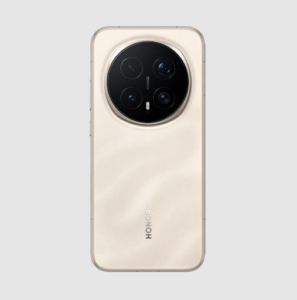
Regular updates should be treated as routine maintenance, much like locking your door or backing up important files. In everyday life, the few minutes spent updating can prevent hours of stress caused by security issues or system failures. Updates help protect your data, improve performance, and keep your phone compatible with modern apps. When some users eventually decide it is time to move on from an aging device, switching to a newer, well-supported phone—such as the HONOR Magic 8 Pro smartphone—can make staying updated easier and more reliable in the long run. Ultimately, turning updates into a habit rather than a decision helps keep your digital life safer and smoother every day.
-

 TECHNOLOGY1 year ago
Top 10 Must-Read Stories from Kristen Archives You Can’t Miss
-

 TECHNOLOGY2 years ago
Sky Bri Net Worth Revealed: How She Built Her Financial Empire
-

 TOPIC2 years ago
Basement Renovation Contractors: How They Tackle Structural Issues During Renovations
-

 BEAUTY2 years ago
Revitalize Your Hair with Oribe Hair Care for Damaged Hair: Style It with Blue Dresses for Weddings and Events
-

 TOPIC1 year ago
5 Reasons the //Vital-Mag.Net Blog Dominates Lifestyle
-
TOPIC1 year ago
Should You Move from Thousand Oaks CA to Los Angeles?
-

 TOPIC1 year ago
Moving To Irvine: Tips For A Smooth Transition To Orange County
-

 TOPIC1 year ago
Reasons You Should Move to San Francisco